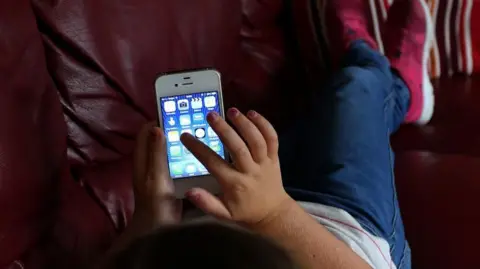
Greece has announced plans to ban access to social media for under-15s, becoming the latest European country to restrict children's exposure to online platforms. Prime Minister Kyriakos Mitsotakis said the move was aimed at tackling rising anxiety and sleep problems among young people, as well as what he described as the addictive design of social media.
The restriction will come into force from January of next year. In December, Australia became the first country in the world to require TikTok, YouTube, Snapchat, and other top sites to remove accounts held by under-16s or face heavy fines. France, Austria, and Spain are among a growing number of nations pursuing similar curbs.
The UK government has launched a consultation on whether to implement a ban for under-16s, while Ireland and Denmark are considering similar measures. Social media companies argue that blanket bans will be ineffective, difficult to enforce, and could isolate vulnerable teenagers. Reddit is challenging Australia's law in court.
In a video message posted on TikTok on Wednesday, Mitsotakis stated: Many young people tell me they feel exhausted from comparisons, from comments, from the pressure to always be online. He emphasized the need for such measures while clarifying that the goal was not to distance young people from technology, which can be a valuable source of inspiration and creativity. However, he condemned the impact of addictive designs that detract from children's well-being and suggested that effective regulations should incorporate mandatory age verification and periodic re-checks across all platforms.
This conversation around children's social media use has gained momentum worldwide, fueled by research highlighting its potential to undermine mental health. In March, a landmark trial in the US held Meta and YouTube accountable for a woman’s childhood social media addiction, indicating a growing legal scrutiny against tech firms. As Greece outlines further details of its ban, the implications of this policy could drive more comprehensive efforts across Europe to protect younger audiences from the pitfalls of digital engagement.
The restriction will come into force from January of next year. In December, Australia became the first country in the world to require TikTok, YouTube, Snapchat, and other top sites to remove accounts held by under-16s or face heavy fines. France, Austria, and Spain are among a growing number of nations pursuing similar curbs.
The UK government has launched a consultation on whether to implement a ban for under-16s, while Ireland and Denmark are considering similar measures. Social media companies argue that blanket bans will be ineffective, difficult to enforce, and could isolate vulnerable teenagers. Reddit is challenging Australia's law in court.
In a video message posted on TikTok on Wednesday, Mitsotakis stated: Many young people tell me they feel exhausted from comparisons, from comments, from the pressure to always be online. He emphasized the need for such measures while clarifying that the goal was not to distance young people from technology, which can be a valuable source of inspiration and creativity. However, he condemned the impact of addictive designs that detract from children's well-being and suggested that effective regulations should incorporate mandatory age verification and periodic re-checks across all platforms.
This conversation around children's social media use has gained momentum worldwide, fueled by research highlighting its potential to undermine mental health. In March, a landmark trial in the US held Meta and YouTube accountable for a woman’s childhood social media addiction, indicating a growing legal scrutiny against tech firms. As Greece outlines further details of its ban, the implications of this policy could drive more comprehensive efforts across Europe to protect younger audiences from the pitfalls of digital engagement.