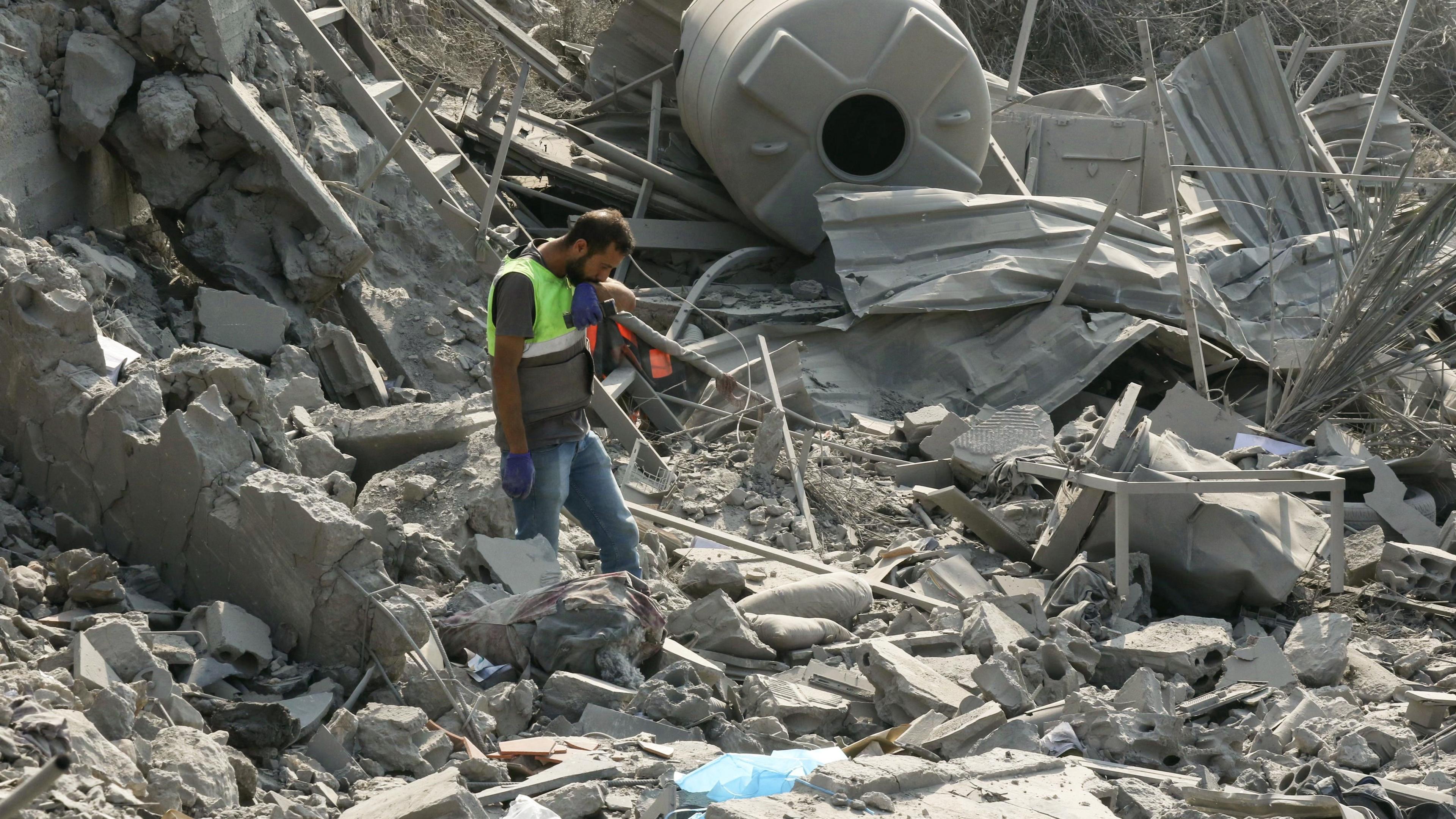
In a fresh wave of air raids, Israel has killed nine civilians in southern Lebanon, the highest casualty count on a single day since a ceasefire framework was agreed upon in June, according to Lebanese authorities and state media.
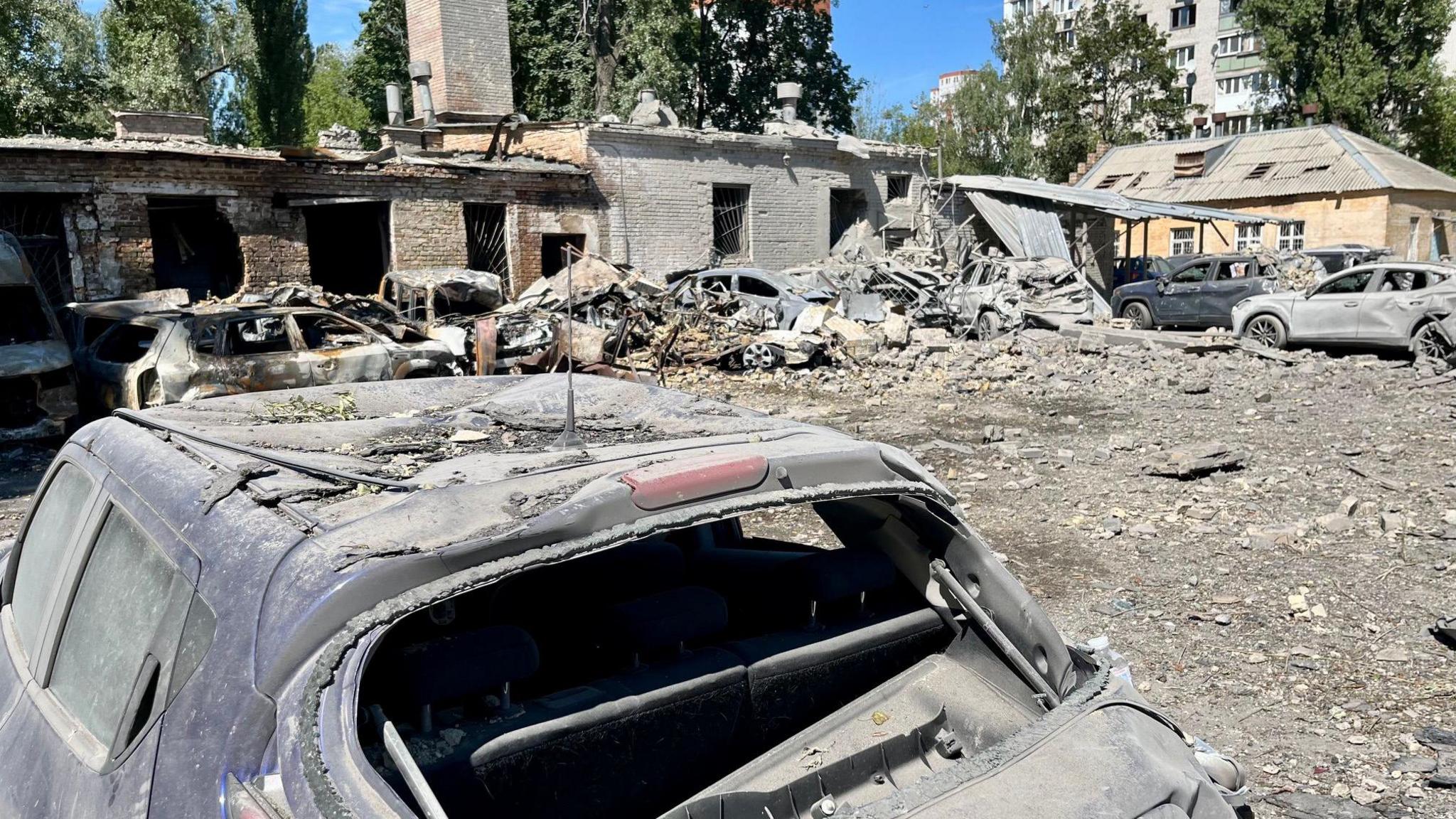
The earliest strike struck a home on the outskirts of Ansar in the Nabatieh district around 04:30 local time. State reports say the victims included three children and two women, all of whom were displaced families living in the area.
Later on Saturday, Israeli forces carried out another round of strikes in the town of Deir al-Zahrani, killing two people and injuring nine others, according to the Lebanese Ministry of Health.
Israeli officials claim the attacks were aimed at Hezbollah, describing the target as “terror infrastructure” in retaliation for an earlier assault on Israeli soldiers.
Lebanon’s Prime Minister Nawaf Salam strongly condemned the strike in Ansar, describing the seven direct civilian deaths as “not military infrastructure” and urging Israel to halt the escalation to protect Lebanese citizens on their own land.
The Israeli Defense Forces explained that the operation was a response to activity on the Ali al‑Taher Ridge, a strategic high ground overlooking a large portion of southeastern Lebanon—area heavily contested in the conflict.
Amid the summer of renewed hostilities, Lebanon’s National News Agency reported multiple attacks on the ridge and in nearby villages such as Bint Jbeil, where houses were damaged by Israeli machine‑gun fire.
The backdrop to these raids is the 2026 ceasefire agreement reached in June, which called for Hezbollah’s disarmament, a gradual retreat of Israeli forces from the security zone, and the deployment of Lebanese troops across southern Lebanon.
President Joseph Aoun condemned the Israeli strikes, accusing them of violating the ceasefire and warning that they signaled a clear message to the US‑led negotiations. He also highlighted the continued presence of Israeli forces within a 10‑kilometre‑deep buffer zone occupied by Israel.
Despite a reduction in active fighting after the June agreement, Israeli strikes and demolitions have persisted, raising questions about the implementation of the ceasefire and the effectiveness of Lebanese enforcement in the border region.
In a related development, Hezbollah leader Naim Qassem criticised the Lebanese government's handling of the framework, accusing them of placing undue pressure on the Lebanese army while Israeli attacks persisted.
With an eighth meeting of Israeli, Lebanese and American negotiators scheduled for September, the future of the ceasefire remains uncertain, as neither side has yet set a definitive date for the next round of talks.