When a wooden canoe capsizes in Nigeria’s rivers, it rarely is a one‑off accident – it is a pattern of negligence that repeats every day.
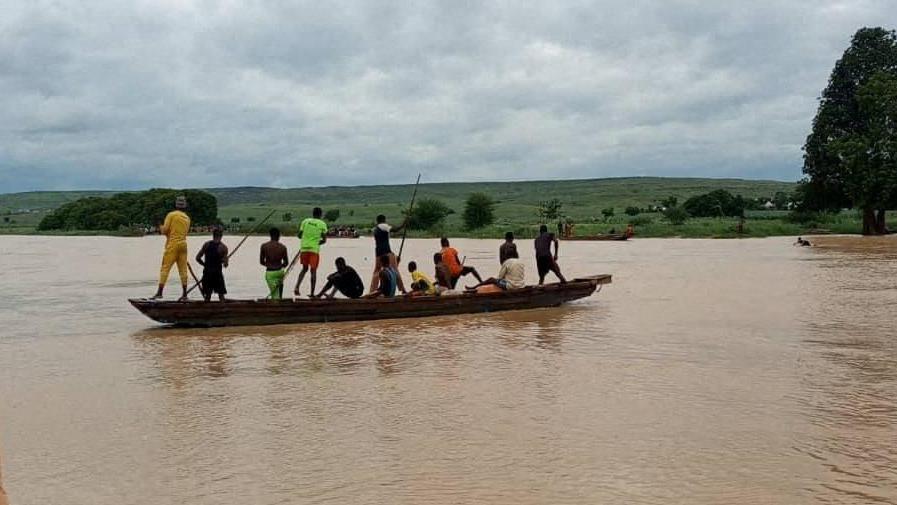
Last Sunday when a village waterway filled with women farmers and labourers reversed on a river in Jigawa state, rescuers found oh twenty‑three souls alive while seven bodies were pulled from the water. The same fatal formula appears across the country: overloaded vessels, missing life‑jackets and inadequate enforcement of existing rules.
According to regional data, over 55 people died in boat mishaps this year alone and many more bodies remain unrecovered. Nigerian river‑goers depend on these waterways because roads are few; the river Nets become their lifeline.
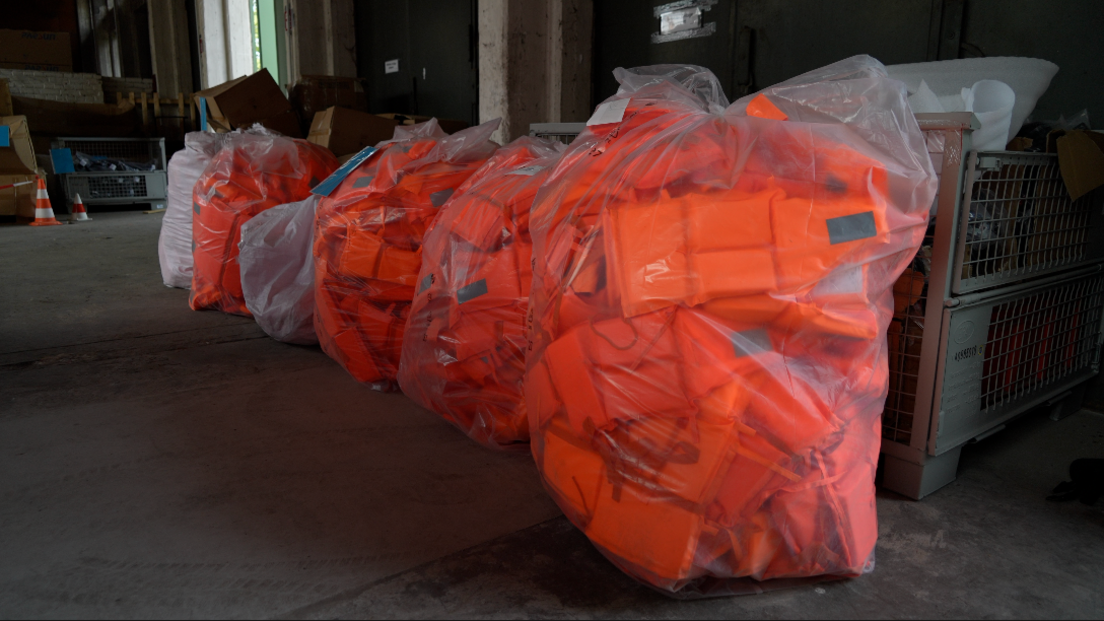
The chief problem is the lack of functional safety systems: boat operators often have no licence, the vessels are wooden and un‑repaired, and the government pledges of life‑jackets have not materialised. A key figure, Sarkin Ruwan Shiroro in Niger state, lamented that only a handful of jackets are available for ships that routinely carry over a hundred passengers.
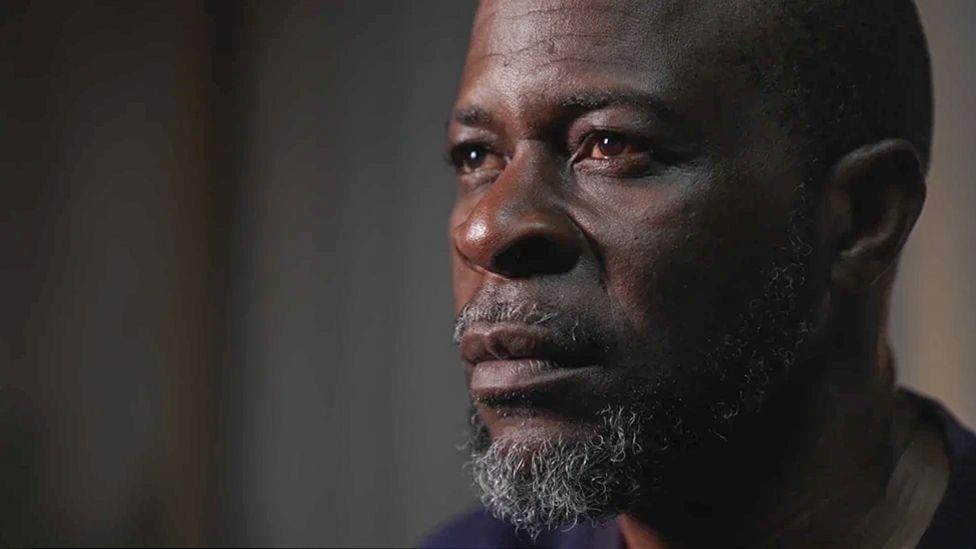
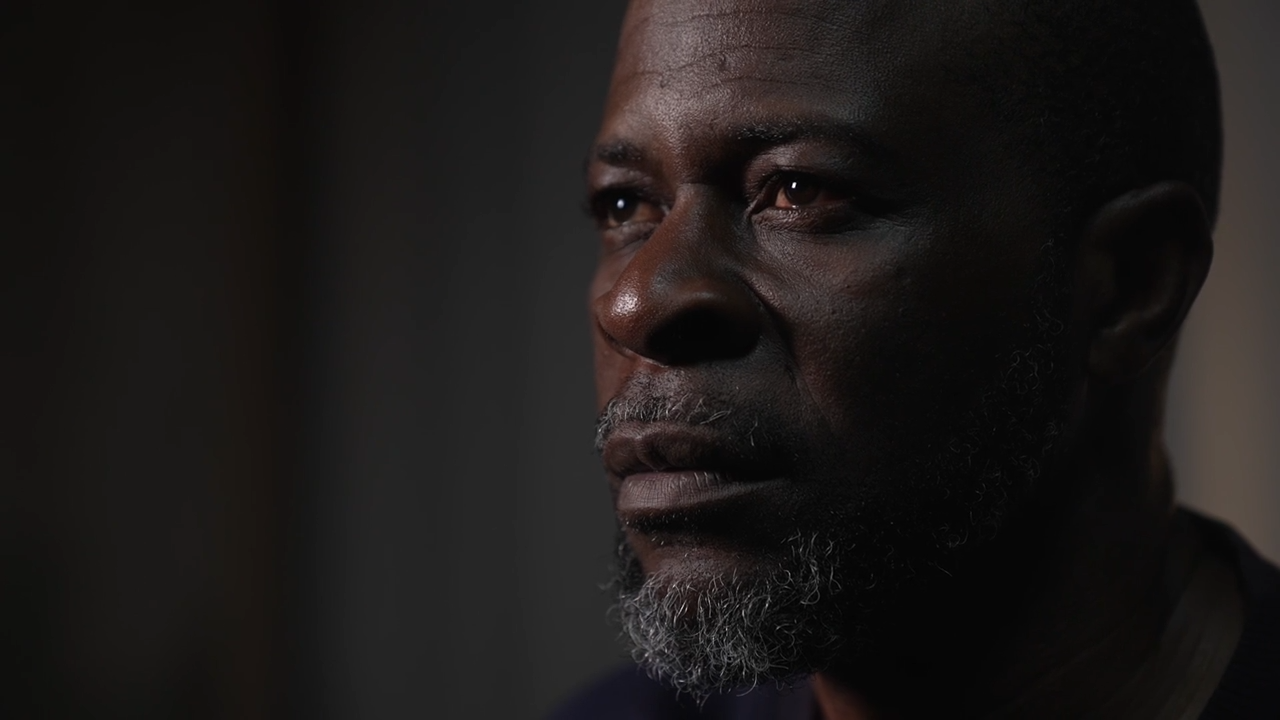
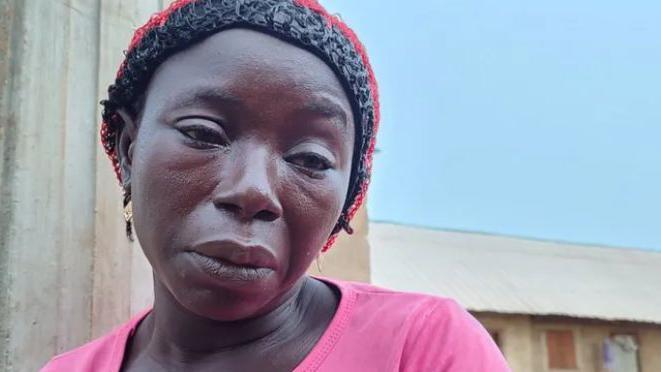
Interviews with a death‑survivor show that the culture of skipping safety equipment is entrenched; many people, especially women who are not comfortable in water, refuse to wear the protective gear.
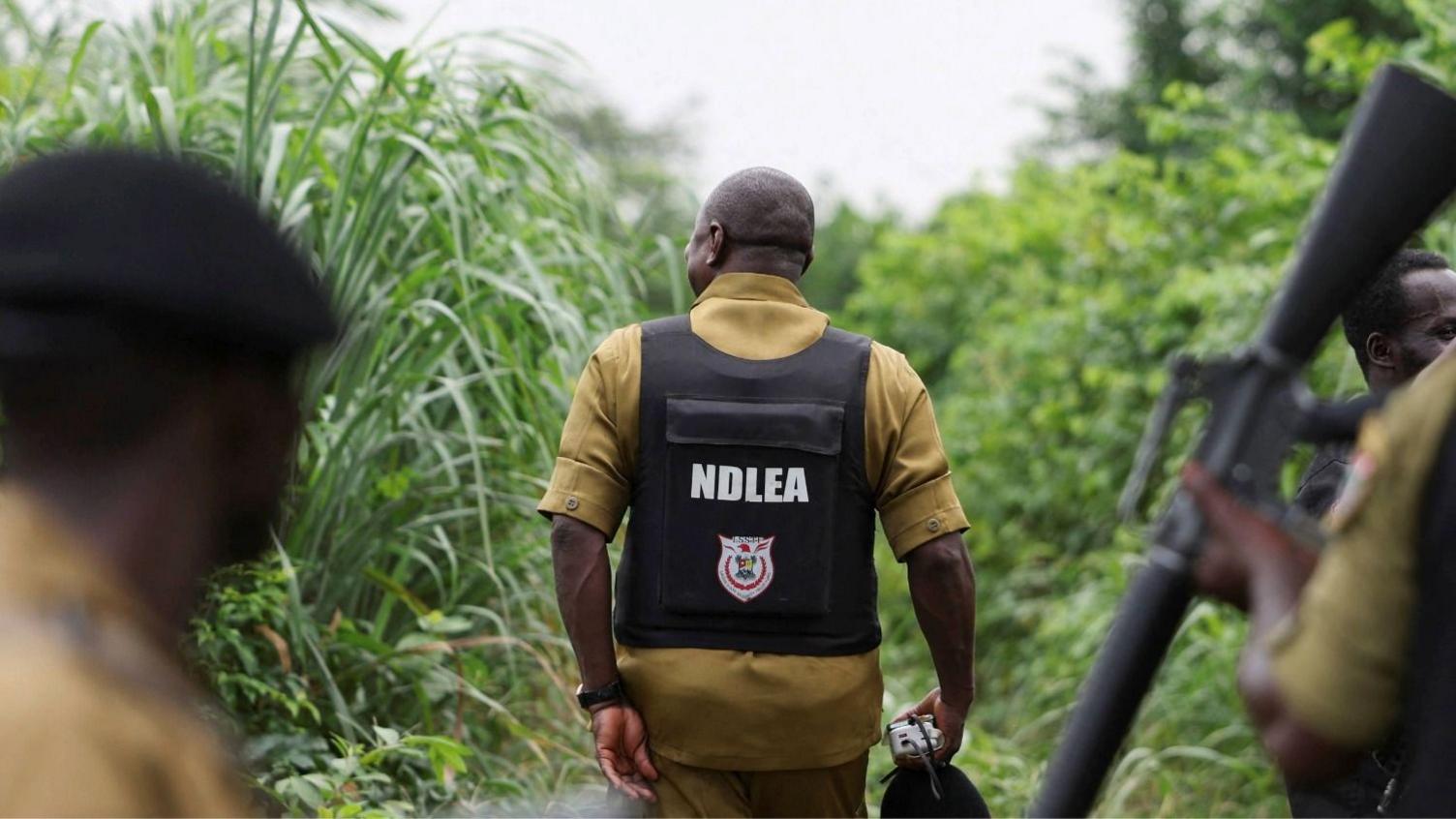
The Nigerian government has introduced the Water Transport Code in 2023, requiring life‑jackets for routes with dangerous currents. The law also sets maximum passenger capacities and demands that boats operate only from registered terminals. Despite this, enforcement remains patchy and the lake’s many hidden tree stumps continue to claim lives after capsizing. An agency director noted that dredging is needed but the state’s budget and priorities keep the practice stalled.
A bright spot lies in Lagos, where a refreshed fleet and rigorous training dramatically cut fatalities. In 2024 only one death occurred on a waterway, and that figure dropped to six the next year. Authorities credit systematic life‑jacket distribution, dedicated water guards and docking inspections for the success.
Repeating Lagos’s model nationwide will require in‑depth cultural change and consistent funding. Until the government moves beyond ministerial promises to create a robust, enforced safety culture, the tragic toll behind Nigeria’s inland seas will continue to climb.