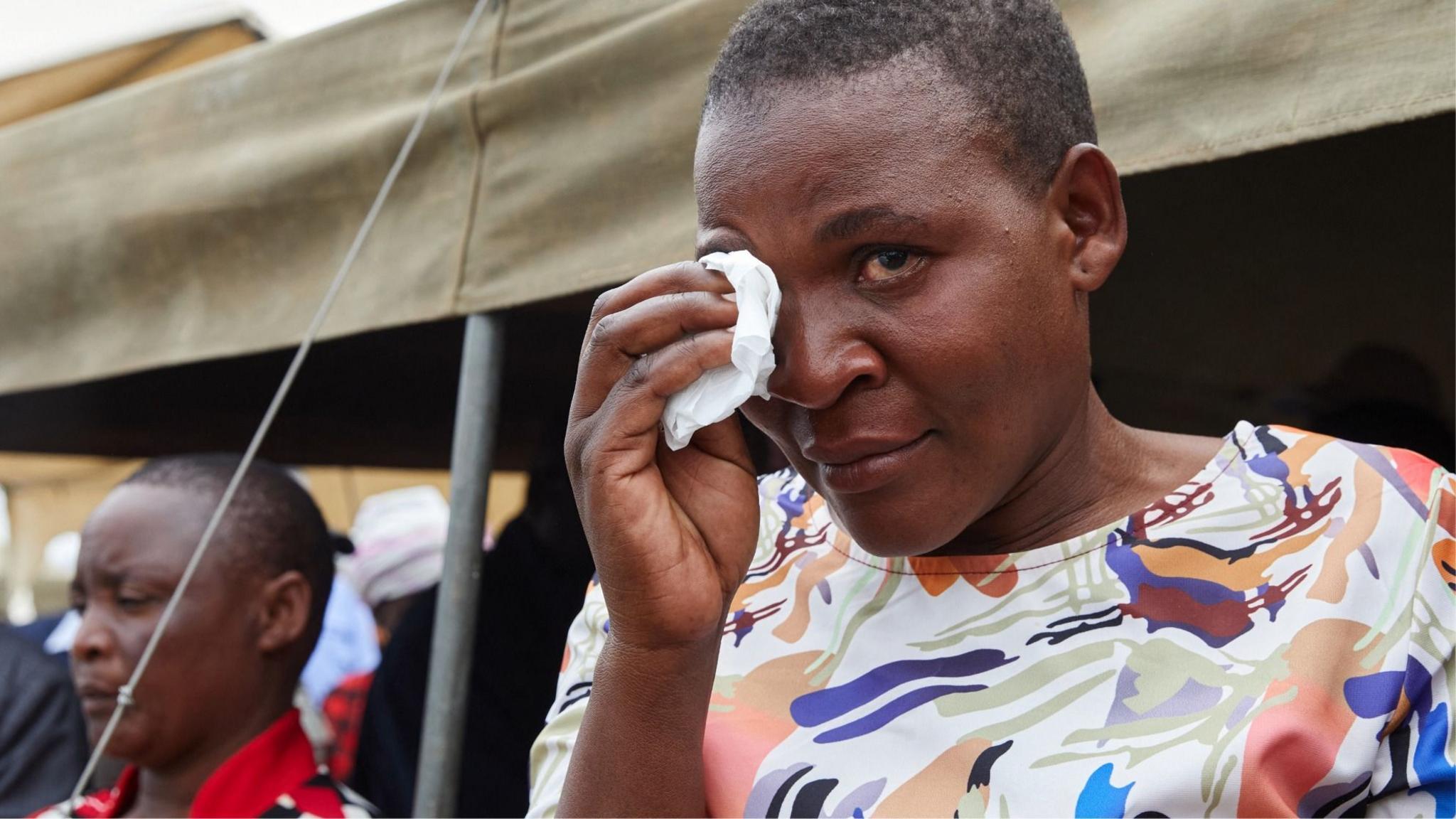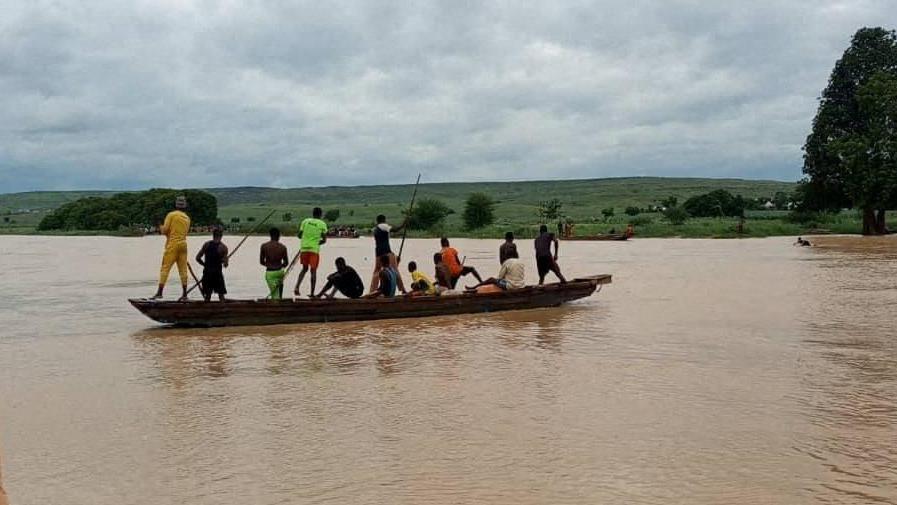
At least 46 people have died after a wooden boat capsized on the Sokoto River in north‑western Nigeria.
The vessel was thought to carry more than 70 passengers—mostly children who, according to witnesses, were traveling with farm owners to a rice harvest. Rescue teams recovered 16 bodies and discovered 15 more missing, with authorities describing the area near Gorau in Gorony as hard to reach.
Police spokesperson Ahmad Rufai reported finding 46 bodies near the riverbank, most wrapped in mats or traditional cloths. He said the emergency unit, Nema, had dispatched water bearings and landed a search squad in the remote town.
Boat accidents are common in Nigeria, with factors such as overcrowding, poorly maintained wooden vessels and weak enforcement of safety rules repeatedly cited as causes of mass drownings. Recent incidents include a January capsizing that killed 26 people and a 2024 event that recovered 54 bodies from the River Niger.
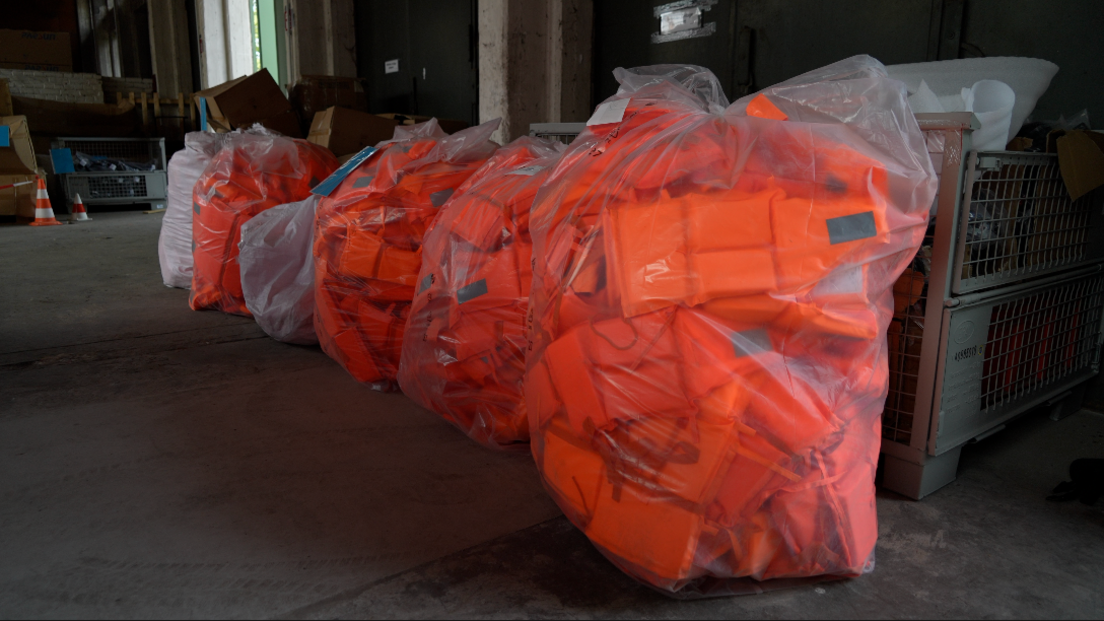
Officials urge the government to provide safer boats, ensure life jackets for all occupants, dredge waterways, deploy water guards at jetties, and enforce licensing for operators. Unfortunately, many of these measures remain poorly implemented or unbrowsed.
Rivers remain a primary transport route for many rural communities where roads are inadequate or bridges are absent. Wooden boats serve as vital links to markets and neighboring villages, highlighting why safety upgrades are pressing.