In brief
In a late‑March debate, Nicaragua’s government‑controlled National Assembly is set to vote on a proposal that would effectively ban opposition parties from future elections. President Daniel Ortega’s recent remarks—declaring that opposition groups would be shut out and would never retake the government—have drawn condemnation from the United Nations and the United States. The move follows a pattern of Ortega’s authoritarian rule, which has included the imprisonment, exile and stripping of citizenship from prominent opposition figures. As the country faces its first potential election bid since the 2021 crackdown, the debate raises concerns about the erosion of democratic participation and the prospects of political dissent in Nicaragua.
By Vanessa Buschschlüter
Nicaragua’s National Assembly, dominated by supporters of President Daniel Ortega, has opened a debate that could change the country’s political landscape forever. In late March, lawmakers considered a draft bill that would effectively bar opposition parties from participating in future elections. The vote is scheduled for the first week of August.
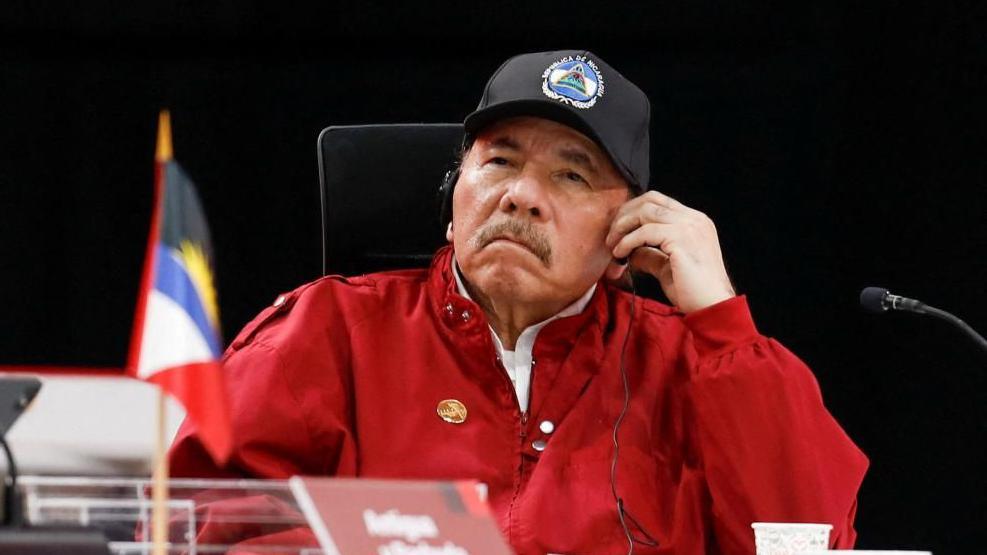
The proposal follows a dramatic statement made by Ortega on an anniversary of the Sandinista revolution, in which he warned that “there will be no more elections for them [the opposition] to try to seize the government, to seize power.” The comments were condemned by Volker Türk, the UN High Commissioner for Human Rights, who called for the right of all citizens to vote and stand for office regardless of their political views. In addition, U.S. Secretary of State Marco Rubio characterized Ortega’s remarks as revealing a “true authoritarian nature” and warned that the president and his wife, Rosario Murillo, had “abandoned any pretense of popular consent”.
Ortega, 80, has held power since 2007. Over the past decade, his administration has systematically dismantled opposition, arresting thousands of activists, forcing many into exile, and stripping opponents of their citizenship. The 2021 presidential elections, the most recent, saw Ortega win in a contest that many observers described as a sham: potential rival candidates were either detained, disqualified, or forced into exile, leaving a small slate of unlikely contenders to run.
In 2025, the National Assembly enacted a constitutional reform that extended the presidential term to six years and installed Murillo as co‑president, thereby paving the way for her to assume the presidency outright if Ortega is deemed permanently absent. This consolidation of power came amid reports that more than 300 people were killed when national security forces quelled anti‑government protests in 2018. Consequently, open dissent has become rare, with most citizens opting to remain silent for fear of reprisal.
Opposition figures in exile have taken up the fight. Juan Sebastián Chamorro condemned the latest proposals as a move toward a one‑party state, likening Nicaragua to China, North Korea, and Cuba. Former opposition presidential candidate Felix Maradiaga, who was jailed during Ortega’s rule, noted that the new plans “show that the leader is afraid of dissent, yet has failed to neutralise it.”
The debate over the election ban underscores a broader crisis of democracy in Nicaragua. By restricting political competition, the current government risks cementing its grip on the country, while leaving the people with little recourse to express dissent. The international community watches closely as the National Assembly moves toward a voting decision that could effectively shut the opposition out of the political arena.