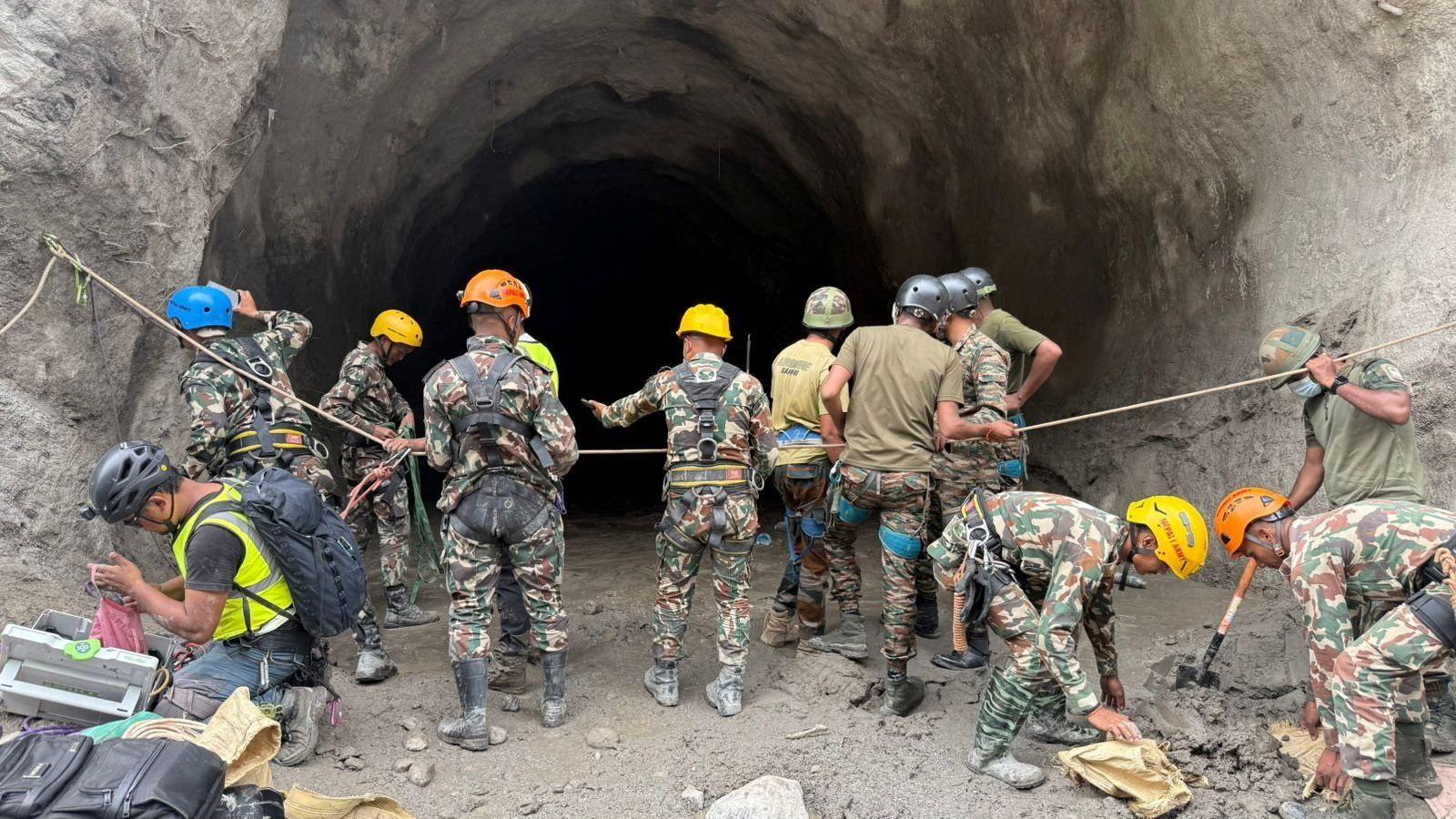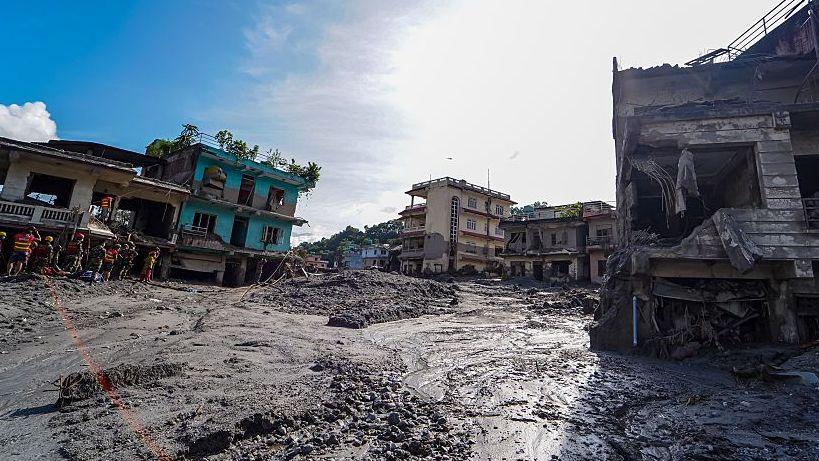
The recent floods that devastated large swaths of Nepal have also engendered a violent wave of online harassment directed at those seeking help and closure.
Prime Minister Balendra Shah announced on Facebook that authorities would not tolerate “people who make unnecessary remarks, belittle those in pain or seek to cause them further suffering” during this tragic period. The official post labelled the perpetrators of such remarks as criminals.
Police investigators are combing through social media feeds to identify the sources of hostile comments, seeking both addresses and phone numbers.
A woman whose brother vanished in the flood’s early days initially urged authorities to intensify search and rescue operations. She later reported receiving a barrage of rude messages when posting her criticism.
She added, ‘If the government mobilised experts and equipment for rescue in time, would we have known the condition of our family members sooner? We still hope we can find him alive.’
Another case involved a young woman demanding accountability for what she saw as the government’s sluggish response in locating her missing husband. A viral video clip of her appeal attracted threats and insults, including one that dared her to ‘jump into the river’ to help the search.
Many comments countered the aggressors, insisting victims deserve comfort, not ridicule.
On the investigative side, Nepalese police convened a ten‑member committee to examine these online abuses.
Under the Electronic Transactions Act, social media actors liable for defamation or harassment may face up to five years in prison and fines up to 100,000 rupees ($662; £490).