In brief
In the wake of a devastating flash flood triggered by a glacial collapse, Nepal observed a national day of mourning, lighting candles and lowering flags to their half‑mast. The disaster has claimed at least 1,287 lives and left more than 5,000 people missing in a cross‑border river valley. President Ram Chandra Paudel toured the wreckage, while army forces and international advisers stress the relentless search operations in ground, air, and tunnel networks. The tragedy has spotlighted the growing risks to the region’s hydropower infrastructure and the urgent need for coordinated disaster response.
On Monday, Nepal observed a national day of mourning for the victims of a flash flood that swept through villages in a Himalayan valley along the border with Tibet.
Nation‑wide mourning
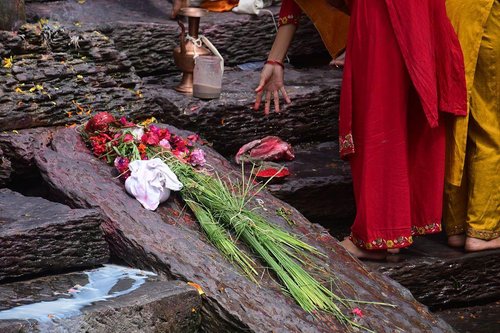
Oil lamps burned by Buddhist monks on the last day of the traditional 13‑day Hindu mourning ritual. Flags were lowered to half mast across official sites, and plans for candle‑light vigils were scheduled for the evening.
Casualty figures
Officials confirmed at least 1,287 deaths, with more than 5,000 individuals still missing. The flood is believed to have been triggered by a sudden collapse of a glacial tongue, which released a torrent of ice, rock and mud.
Rescue efforts
Army spokesperson Raja Ram Basnet said the search is “continuing with the same tempo we had on day one.” The focus is on three levels—ground, air, and tunnelling—especially in hydropower stations where hundreds of workers remain missing.
Australian tunnel rescue expert Arnold Dix warned of multiple simultaneous rescues, citing “different places, each with its own dangers, uncertainties and lives that may still be saved.” Recent rescues have included four people, notably a 64‑year‑old Nepali woman pulled from a buried home after a decade of mud‑buried collapse.
Across the border, Chinese forces recovered twelve bodies and reported 31 deaths on their side, with 531 people still unaccounted for.
The ongoing operations underscore the vulnerability of Nepal’s hydropower infrastructure to extreme weather and glacial hazards, prompting calls for stronger preventive measures.