In brief
On the weekend, Donald Trump announced that Russia and Ukraine had agreed a ceasefire on attacks against energy infrastructure. Ukrainian President Zelensky welcomed the news, while Russia’s spokesman Peskov offered only vague confirmation that talks were ongoing. Pro‑Kremlin outlets portrayed the deal as a strategic advantage for Moscow, arguing that it limits Ukraine’s ability to hit Russian refineries. Despite the announcement, Russian forces continue to strike Ukrainian power plants, and Moscow shows no intention to halt the fighting.
U.S. President Donald Trump announced on Sunday that Russia and Ukraine had reached a cease‑fire on strikes against energy infrastructure, stating the agreement was now “effective immediately.” Ukrainian President Volodymyr Zelensky described the announcement as “news for me,” while Moscow has issued no public comment.
When asked during a daily briefing if the cease‑fire was approved, Kremlin spokesman Dmitry Peskov said, “Contacts are continuing. As soon as we have anything to say about this, we will definitely inform you.” The brief statement left many observers unsure whether the deal has any real substance.
Pro‑Kremlin media have celebrated the announcement as a “gift” to Moscow, arguing that it binds Ukraine more tightly than Russia. Moskovsky Komsomolets wrote that the cease‑fire means Russia can concentrate on other targets, as Ukraine’s last remaining oil refinery has already been hit repeatedly and is barely functional.
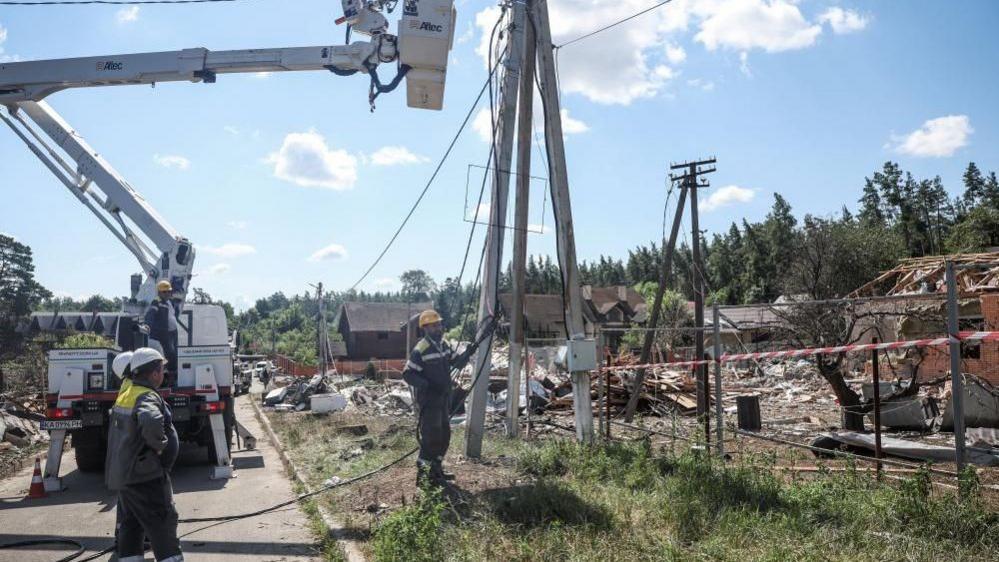
In addition to the silent stance, Russia has increased strikes on Ukrainian vital energy sites. Drone attacks on gas and oil facilities have caused ongoing fuel shortages across Ukraine, a development Russians warn will undermine the new Trump‑Putin fuel deal that allows the United States to import Russian diesel.
The Kremlin insists it seeks a “lasting peace” but has so far offered only a one‑day pause in hostilities for Ukrainian elections—a move the West deems negligible. Russian Foreign Minister Sergei Lavrov has dismissed the idea that a cease‑fire would benefit Ukraine, stressing that the country does not deserve such respite.
As the cease‑fire announcement ripples through Washington, the Kremlin hopes that continued Ukrainian strikes on Russian energy infrastructure will trigger U.S. frustration and curtail further support for Kyiv. Moscow analysts argue that any falter in the U.S. willingness to supply weapons and intelligence could tip the balance in favor of Russian objectives.
Meanwhile, President Trump has promoted the fuel agreement as a benefit to American consumers, even as skeptics question whether the limited volumes will meaningfully lower domestic prices. The continued uncertainty over the cease‑fire’s legitimacy and effectiveness marks a key point of contention in the broader Russo‑Ukrainian conflict.