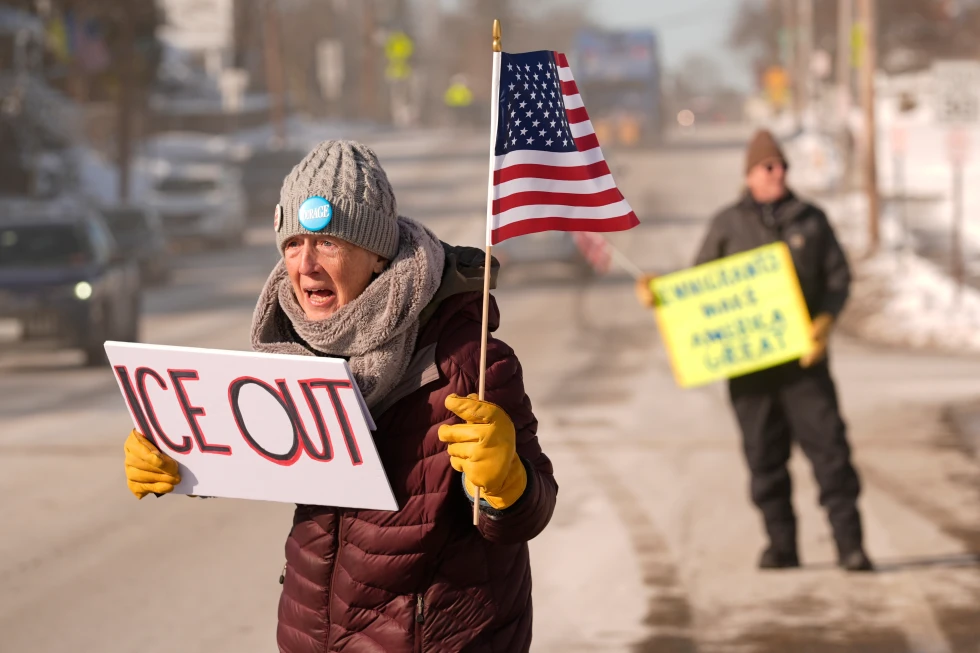
PORTLAND, Maine (AP) — The heated debate around immigration enforcement in Maine intensified as ICE ramped up its operations, drawing contrasting responses from the state's political leaders. In this politically charged environment, Democratic Governor Janet Mills has demanded that ICE provide clear judicial warrants and real-time arrest data concerning detainees in the state.
Governor Mills didn't hold back in her criticism, stating, “Maine will not be intimidated, and the reckless actions that we’ve seen ICE turn to will not be tolerated here in Maine.” She further urged her Republican counterpart, Senator Susan Collins, to take action after the GOP majority in the House rejected efforts to reduce ICE funding.
In contrast, Collins refrained from strongly denouncing ICE tactics, instead emphasizing that individuals in the country legally should not be targeted. She did advocate for measures like body cameras and de-escalation training for ICE officers to enhance accountability.
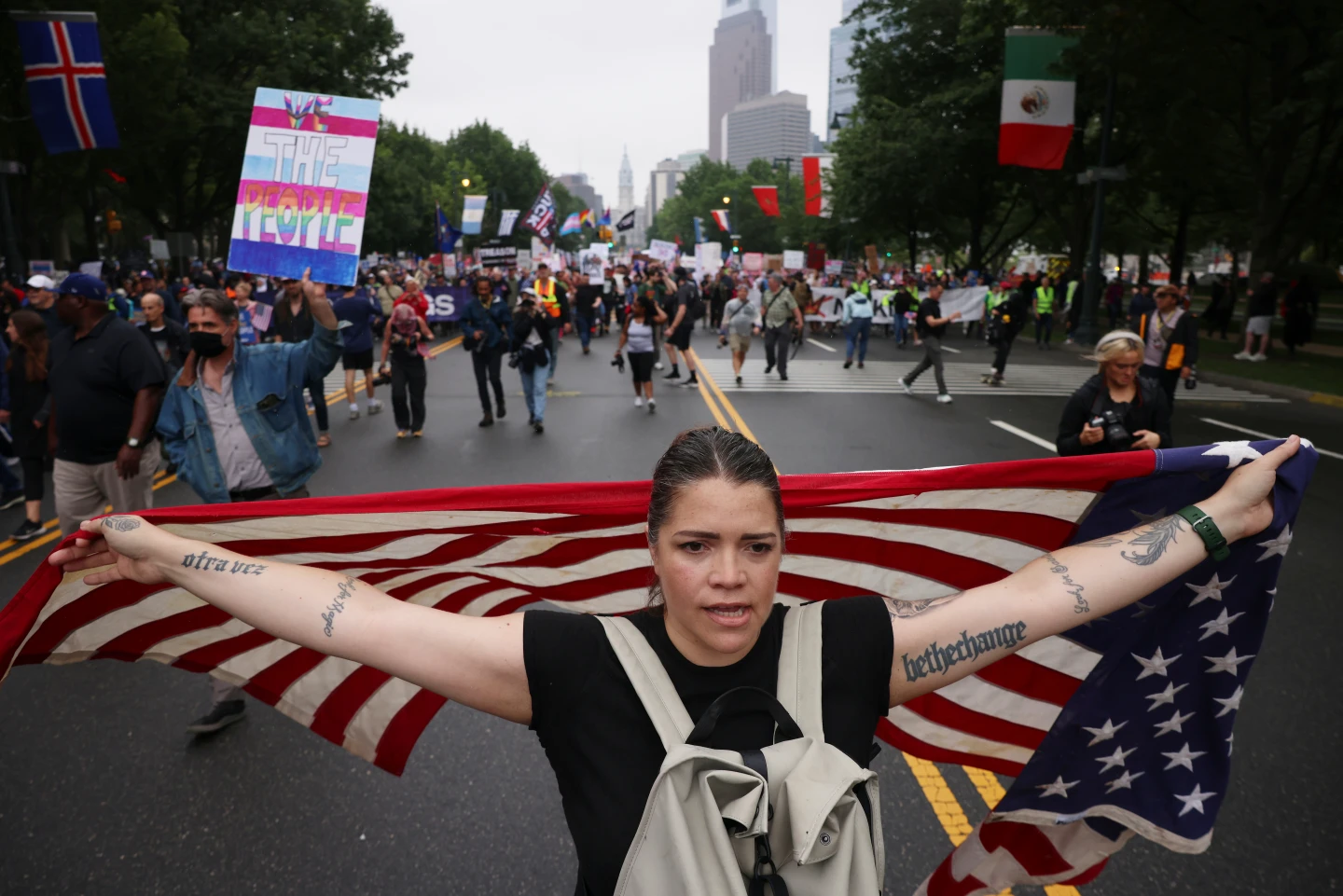
As these political dynamics unfold, protests against ICE are planned in Maine’s largest cities, with Collins encouraging demonstrators to avoid obstructing ICE operations. She stated, “There are people in Maine and elsewhere who have entered this country illegally and who have engaged in criminal activity,” emphasizing the legal ramifications for those avoiding law enforcement.
Democratic primary candidate Graham Platner, who opposes Collins, has echoed Mills' sentiments, condemning the ICE surge and urging for community support against what he terms as overreach. He expressed concern for families around the state who are now choosing to stay indoors due to fear of arrest, citing detentions that have disrupted lives and livelihoods in previously tranquil communities.
The ICE operation, termed ‘Operation Catch of the Day,’ reportedly targets around 1,400 individuals, with officials claiming that some detained are serious offenders. However, this initiative has only heightened the sense of urgency among families living in fear of unjust trackbacks from law enforcement.
Maine’s situation mirrors similar scenarios in other U.S. cities, where a noticeable increase in ICE enforcement has driven anxiety among immigrant populations. As protests continue to grow, Maine may find itself at a pivotal point regarding its approach to immigration and community safety.