Background
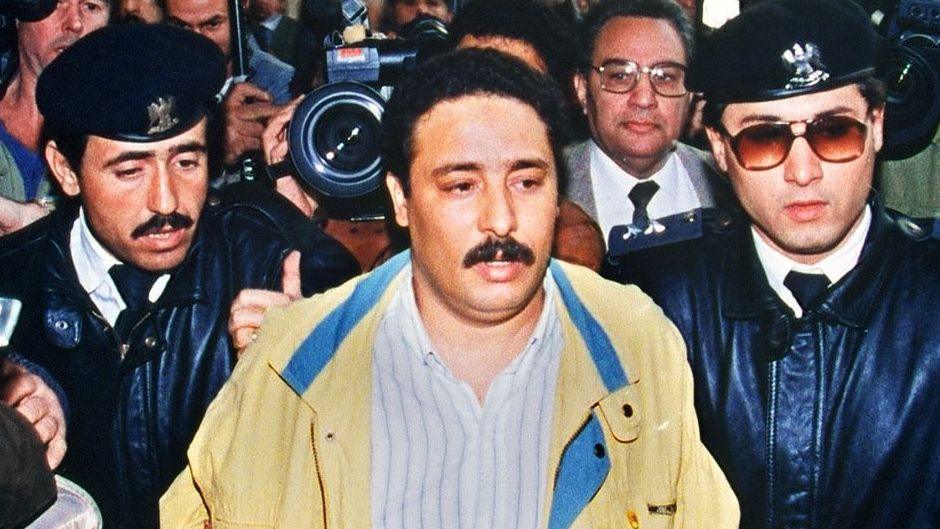
Eugene N, now 66 and a Dutch citizen, was identified by Rwandan authorities as a key participant in the 1994 genocide. He allegedly directed Hutu fighters to a stadium in Mbazi where many Tutsis and moderate Hutus had taken shelter.
The indictment included missing a grenade, hurling stones, firing shots, and ordering the attack with the intent to kill a specific ethnic group – a clear definition of genocide under international law.
Trial and Verdict
Dutch prosecutors launched a full investigation in 2020, gathering evidence from more than 30 witnesses and interviewing Eugene N after his arrest in 2024. The judge concluded the defendant acted with genocidal intent and was a local administrator who commanded men and wielded influence.
He faced charges of genocide, war crimes and incitement to genocide; while the court acquitted him of the incitement charge, it found him guilty of the violent acts that took place on the stadium grounds. The sentence of life imprisonment reflects the severity of the offense and the role he played.
Aftermath*
The ruling represents an important moment for survivors seeking closure and for international law’s slow but persistent search for accountability. N’s defence team plans to appeal, arguing for a reduction in charges.
(*Details of the appeal process will be followed as the case progresses.)