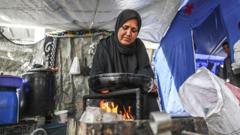
The blockade commenced on March 2 following the lapse of the initial ceasefire agreement, as Israel urged Hamas to extend the truce. This call was categorically rejected by Hamas, which accused Israel of failing to uphold its part of the agreement. While Israeli authorities maintain that sufficient food supplies exist in Gaza, UN officials contradict this assertion, insisting that the situation is dire.
"Recent ceasefire negotiations allowed essential supplies to reach the Gaza Strip for a brief period, yet claims of ample food availability do not reflect the real circumstances on the ground, where essential commodities are rapidly depleting," the statement emphasized.
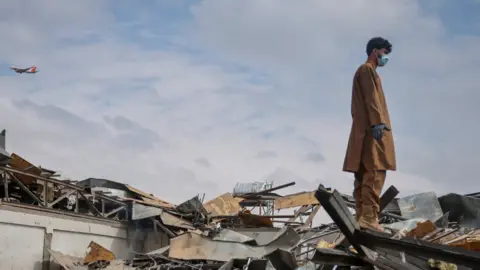
Due to the blockade, UN-supported bakeries have ceased operations, local markets are nearly void of fresh produce, and hospitals are forced to ration vital medications. The current healthcare infrastructure, described as "partially functional," is nearing collapse under the mounting pressure of ongoing needs amid severe shortages.
The UN agencies are calling on world leaders to ensure adherence to international humanitarian law principles, including the protection of civilians, facilitation of aid delivery, the release of hostages, and the restoration of a ceasefire.
After a brief reprieve in fighting during the two-month ceasefire, essential humanitarian aid was allowed entry into Gaza, alongside the release of 33 hostages by Hamas in exchange for approximately 1,900 Palestinian prisoners. However, renewed military actions began on March 18, following significant hostilities triggered by a surprising attack by Hamas that resulted in a tragic loss of life on both sides.
As humanitarian conditions further deteriorate, the world watches closely, awaiting decisive action to support those in need. Meanwhile, Gaza's Ministry of Health reports that over 50,810 Palestinians have lost their lives since the latest wave of conflict began.
The ongoing crisis underscores the urgent need for sustained international efforts to aid those suffering in Gaza, ensuring that humanitarian rights and needs are prioritized amidst ongoing conflict.
"Recent ceasefire negotiations allowed essential supplies to reach the Gaza Strip for a brief period, yet claims of ample food availability do not reflect the real circumstances on the ground, where essential commodities are rapidly depleting," the statement emphasized.
Due to the blockade, UN-supported bakeries have ceased operations, local markets are nearly void of fresh produce, and hospitals are forced to ration vital medications. The current healthcare infrastructure, described as "partially functional," is nearing collapse under the mounting pressure of ongoing needs amid severe shortages.
The UN agencies are calling on world leaders to ensure adherence to international humanitarian law principles, including the protection of civilians, facilitation of aid delivery, the release of hostages, and the restoration of a ceasefire.
After a brief reprieve in fighting during the two-month ceasefire, essential humanitarian aid was allowed entry into Gaza, alongside the release of 33 hostages by Hamas in exchange for approximately 1,900 Palestinian prisoners. However, renewed military actions began on March 18, following significant hostilities triggered by a surprising attack by Hamas that resulted in a tragic loss of life on both sides.
As humanitarian conditions further deteriorate, the world watches closely, awaiting decisive action to support those in need. Meanwhile, Gaza's Ministry of Health reports that over 50,810 Palestinians have lost their lives since the latest wave of conflict began.
The ongoing crisis underscores the urgent need for sustained international efforts to aid those suffering in Gaza, ensuring that humanitarian rights and needs are prioritized amidst ongoing conflict.