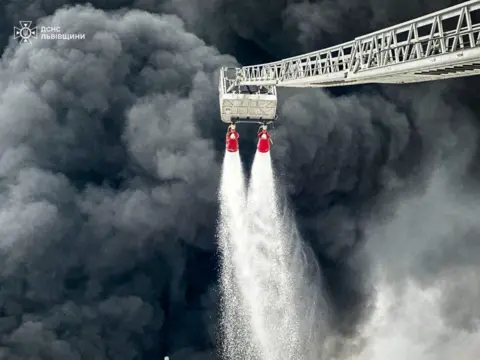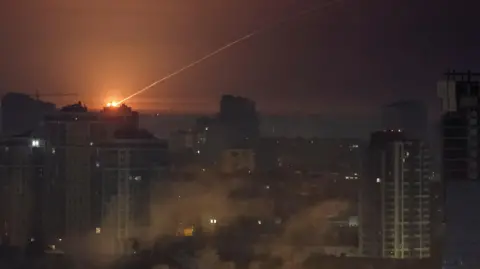
A large Russian aerial strike on Ukraine has again left half of Kyiv's residential buildings without heating or power as temperatures across the country continue to hover around -10C. Drones, ballistic, and cruise missiles targeted several locations in Ukraine, including Kyiv, Dnipro in the centre, and Odesa in the south.
Air raid alerts in the capital lasted for most of the night. On Tuesday, sirens rang out again as Russian drones and cruise missiles approached the capital. President Volodymyr Zelensky stated that a 'significant number' of targets had been intercepted but estimated the cost of repelling the attack to be about €80m (£69m) due to the need for air defence missiles.
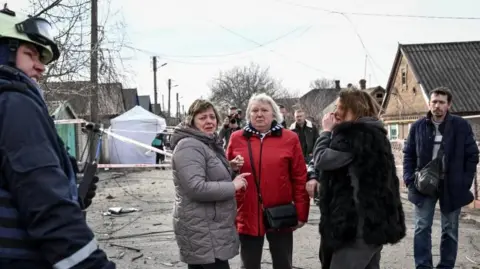
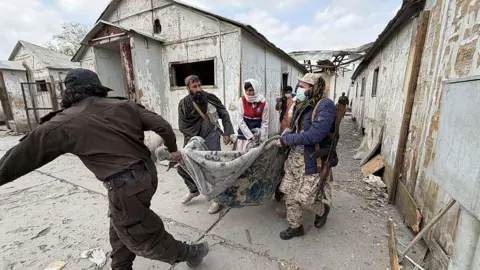
In the aftermath, at least four people died, and 33 others were injured across Ukraine. More than 5,600 residential buildings in Kyiv were left without heating, causing immense hardship as many had only just restored services after previous strikes. The city’s mayor reported that nearly 80% of these buildings had restored heating following a large-scale attack on January 9.
The ongoing strikes have led to desperate measures, with residents using portable stoves to cook and communities pooling resources to buy generators. Many families, especially those less affluent, face severe hardships, struggling to maintain basic needs in freezing conditions.
Zelensky, who postponed his trip to the World Economic Forum in Davos following the attacks, emphasized the urgent need for improved air defence systems and more support from international allies amid escalating tensions with Russia. The situation continues to deteriorate as the harsh winter combines with the ongoing war, highlighting the resilience yet critical plight of the Ukrainian people.
Air raid alerts in the capital lasted for most of the night. On Tuesday, sirens rang out again as Russian drones and cruise missiles approached the capital. President Volodymyr Zelensky stated that a 'significant number' of targets had been intercepted but estimated the cost of repelling the attack to be about €80m (£69m) due to the need for air defence missiles.
In the aftermath, at least four people died, and 33 others were injured across Ukraine. More than 5,600 residential buildings in Kyiv were left without heating, causing immense hardship as many had only just restored services after previous strikes. The city’s mayor reported that nearly 80% of these buildings had restored heating following a large-scale attack on January 9.
The ongoing strikes have led to desperate measures, with residents using portable stoves to cook and communities pooling resources to buy generators. Many families, especially those less affluent, face severe hardships, struggling to maintain basic needs in freezing conditions.
Zelensky, who postponed his trip to the World Economic Forum in Davos following the attacks, emphasized the urgent need for improved air defence systems and more support from international allies amid escalating tensions with Russia. The situation continues to deteriorate as the harsh winter combines with the ongoing war, highlighting the resilience yet critical plight of the Ukrainian people.