In brief
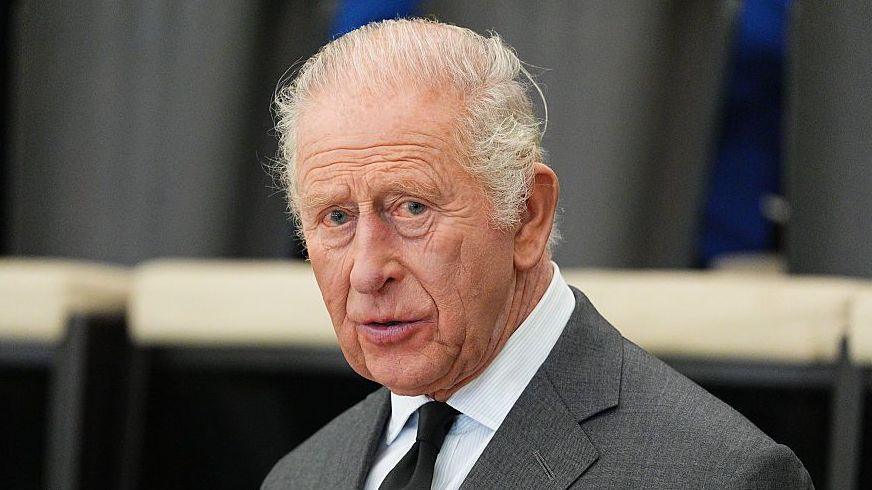
King Charles will spend nine days visiting the Bahamas, Guyana and Antigua & Barbuda, ending at the Commonwealth Heads of Government Meeting. The itinerary offers trade and environmental opportunities but also pulls the monarch into a fierce debate over slavery reparations and apologies from Britain. Government advisers insist the King will not issue an apology, risking public backlash. Historians warn the trip is the monarchy's biggest risk yet, while protests and calls for republic status swirl in the host nations. Despite these challenges, some experts see the tour as an opportunity for the king to demonstrate empathy and strengthen Commonwealth ties.
Royal tours are unpredictable beasts, and King Charles' Caribbean swing may prove the most fraught yet.
From the Bahamas to Guyana and finally Antigua and Barbuda, the monarch will spend nine days running a whirlwind programme that culminates in the Commonwealth Heads of Government Meeting.
While the itinerary offers chances to revive trilateral trade ties and launch environmental projects, it also thrusts the king onto a public platform at the centre of the slavery‑reparations debate.
Government advisers have signalled that the King will not issue a formal apology for Britain’s role in the transatlantic slave trade, a decision that critics say will leave the monarchy’s moral standing behind.
Historians such as Sir Anthony Seldon have warned that "the mood is so anger‑laden that the king’s dignity is being questioned."
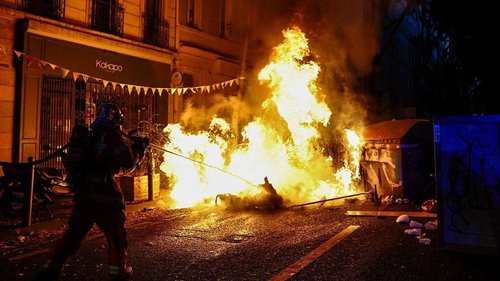
Nationalist rallies have erupted across the three host states, with organisers demanding reparations and, in the islands where the king is head of state, pushing the case for republic status.
The King’s spokesman said he would acknowledge the "darkest days of our past" in his speeches but left the choice of policy to Britain’s elected government.
The visit’s success hinges on striking a balance between diplomatic outreach and accepting the historic backlash that accompanied the 2022 Duke and Duchess of Cambridge Caribbean tour, where audience engagement clashed with public criticism over staging.
In a climate of heightened scrutiny, the monarch’s ability to transform this trip into a diplomatic triumph could set the tone for the future of the Commonwealth and the monarchy’s role in post‑colonial reckonings.