Kashmir's Tourist Tragedy: Unending Grief One Year Later
One year after a deadly attack on tourists in Indian-administered Kashmir, the families of the victims are still learning how to live with their losses.
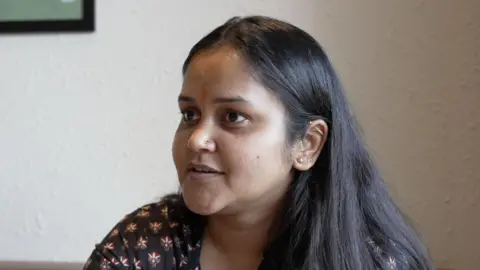
Aishanya Dwivedi points to a mirror on the wall in the room she once shared with her husband. I once asked him why there was no mirror there, she reminisces, recalling the day he surprised her by getting one.
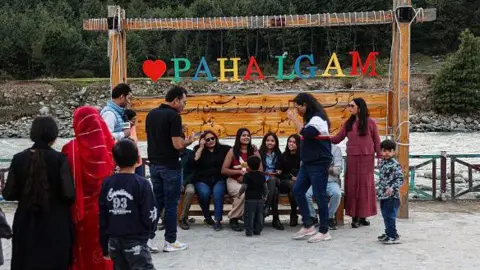
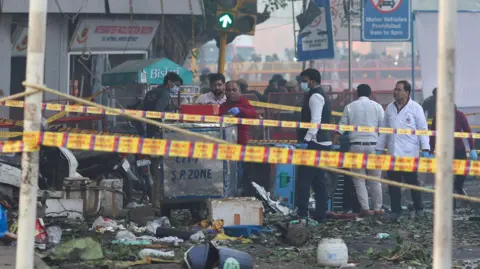
Tragically, Aishanya's husband, Shubham Dwivedi, was among 26 people killed on April 22, 2025, when militants opened fire on tourists near Pahalgam, marking one of the deadliest attacks on civilians in Kashmir.
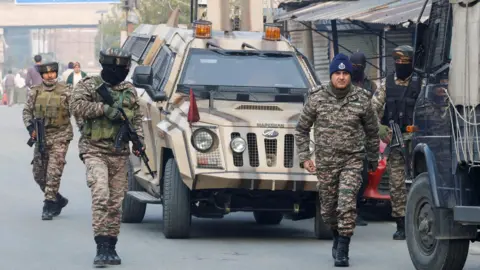
The region, claimed by both India and Pakistan, has a history of conflict and violence. Following the attack, India linked the militants to groups based in Pakistan, prompting airstrikes that led to a period of intense military confrontation between the two nations.
This attack, which particularly affected the Hindu community, resulted in the deaths of several young individuals, whose promising lives were cut short.
In the year since, the consequences have rippled through the community, with families facing grief in different ways. For Aishanya, the pain remains sharp yet she strives to keep Shubham's memory alive. Her bedroom, unchanged since his death, serves as a sanctuary of memories.
She holds herself to strict routines, avoiding the side of the bed associated with him and preserving their shared space unchanged. Aishanya describes her recollections with fondness and pain, illustrating her longing for the lost moments and future they never had.
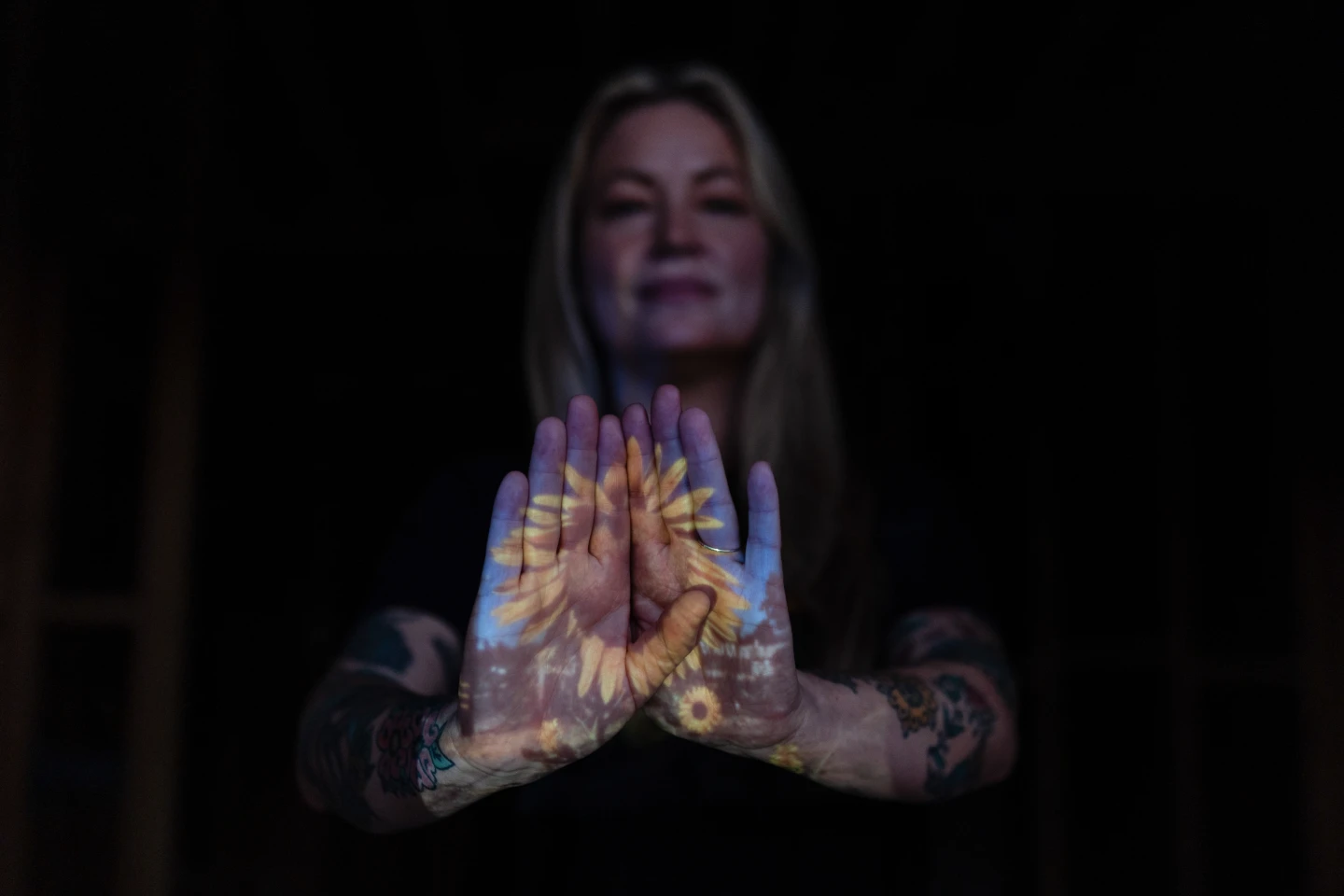
Coping through speaking about her loss has provided her a form of therapy. Speaking to the media has become my outlet, she expresses. Yet this visibility has not been without backlash, as she faced social media trolling after public statements regarding her late husband's recognition during political discourse.
Across town, Rajesh Narwal's experience echoes her own with a stark contrast; he still cannot bring himself to speak about his son, Vinay Narwal, who was also killed in the attack. Rajesh recalls how his son, married for less than a week and on honeymoon, has left a void that is too painful to address openly.
While Aishanya finds solace in conversation, Rajesh and his family choose silence. They still cannot bear to display Vinay's photograph, illustrating the different ways grief can manifest.
As Aishanya faces her days alone, she finds moments of connection, like witnessing a rainbow or catching a glimpse of the moon, which give her fleeting feelings of Shubham's presence. Reflecting on this tragedy, the families of the victims realize that while grief may reshape itself, it never fully dissipates, reminding them of the love they have lost.