In brief
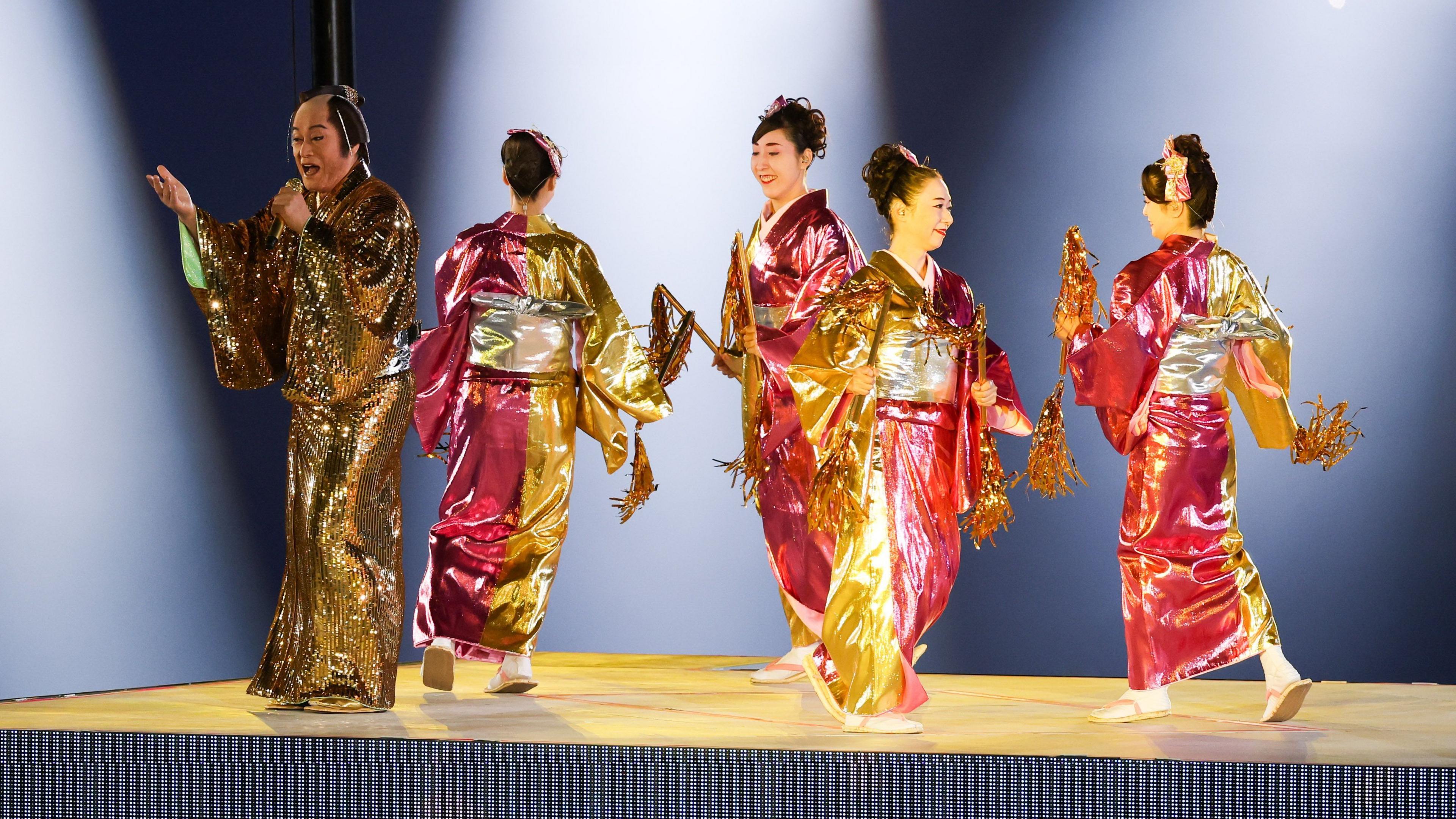
Japan’s reputation for hosting flawless international events was severely shaken when the 2026 Asian Games in Nagoya collapsed under a cascade of mismanagement. Delegates complained about cramped and poorly suited accommodation, while South Korea faced a series of diplomatic blunders. Transport failures sent athletes to wrong venues and volunteers were mistakenly promised free tickets to the closing ceremony. Organisers defended the choices made, but critics point to a costly contract awarded to GL Events and a strained relationship that could harm Japan’s future bids. The Games ended with apologies, but similar issues linger in the ongoing Para Games.
Japan, long admired for its flawless hosting of international events, saw the 2026 Asian Games in Nagoya crumble under a cascade of missteps and mismanagement.
Accommodation & logistics nightmare
Organisers chose to replace a conventional athletes’ village with hotel rooms and container units, forcing a last‑minute borrowing of an Italian cruise ship to house over 17,000 delegates. Delegations complained that the cramped space left tall athletes unable to "stretch their legs" in the beds inside the containers.
Diplomatic missteps and transport chaos
South Korea faced multiple offending incidents: the wrong anthem was played for their men’s hockey team, their flag was improperly raised at the football gold ceremony and their sports minister was briefly denied a flag‑raising event. Chinese and Taiwanese delegations also experienced humiliating mishaps.
Buses repeatedly took teams to wrong venues, and volunteers were falsely told free tickets to the closing ceremony were guaranteed before organisers recanted.
The cost behind the chaos
GL Events, a French company’s Japanese subsidiary, won the 63 bn ¥ contract over the experienced Dentsu group, winning largely because of its lower bid. Critics allege the firm cut corners on hiring experienced staff and that the scope of its responsibilities was too vast for the talent available.
Official response and future implications
Deputy Director‑General Takaaki Omi admitted the series of incidents forced organisers to act on the fly, but he insisted corrective measures were taken during the Games and that GL Events had the requisite experience. Professor Kozo Tomiyama warned that continued humiliation could erode Japan’s reputation for hosting.
While the Games officially ended, similar snags persist at the ongoing Para Games with wrong national anthems played several times. Nagoya mayor Ichiro Hirosawa has apologized as organisers scramble to restore confidence.