Israeli settlers besiege Qusra homes, forcing Palestinians to leave
The Israeli government and its forces are already announcing Palestinian settlements as illegal, but the recent expansion of settler presence in a remote West Bank village demonstrates further violence. Near Sabk al‑Saft, the village of Qusra, Israeli settlers cut off electricity and water to several households, then surrounded and looted the houses, prompting the local mayor to call the situation a closed‑military zone.
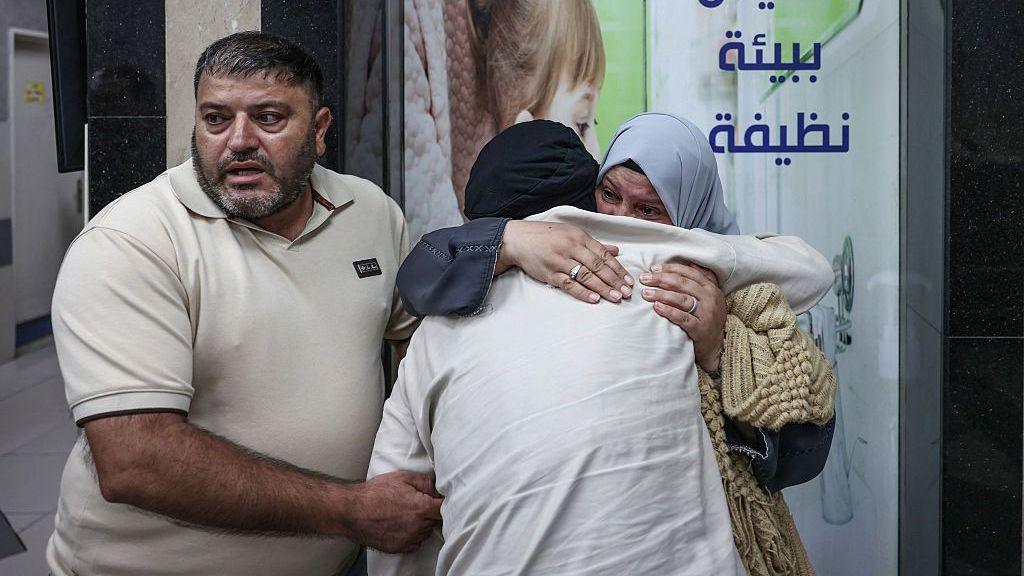
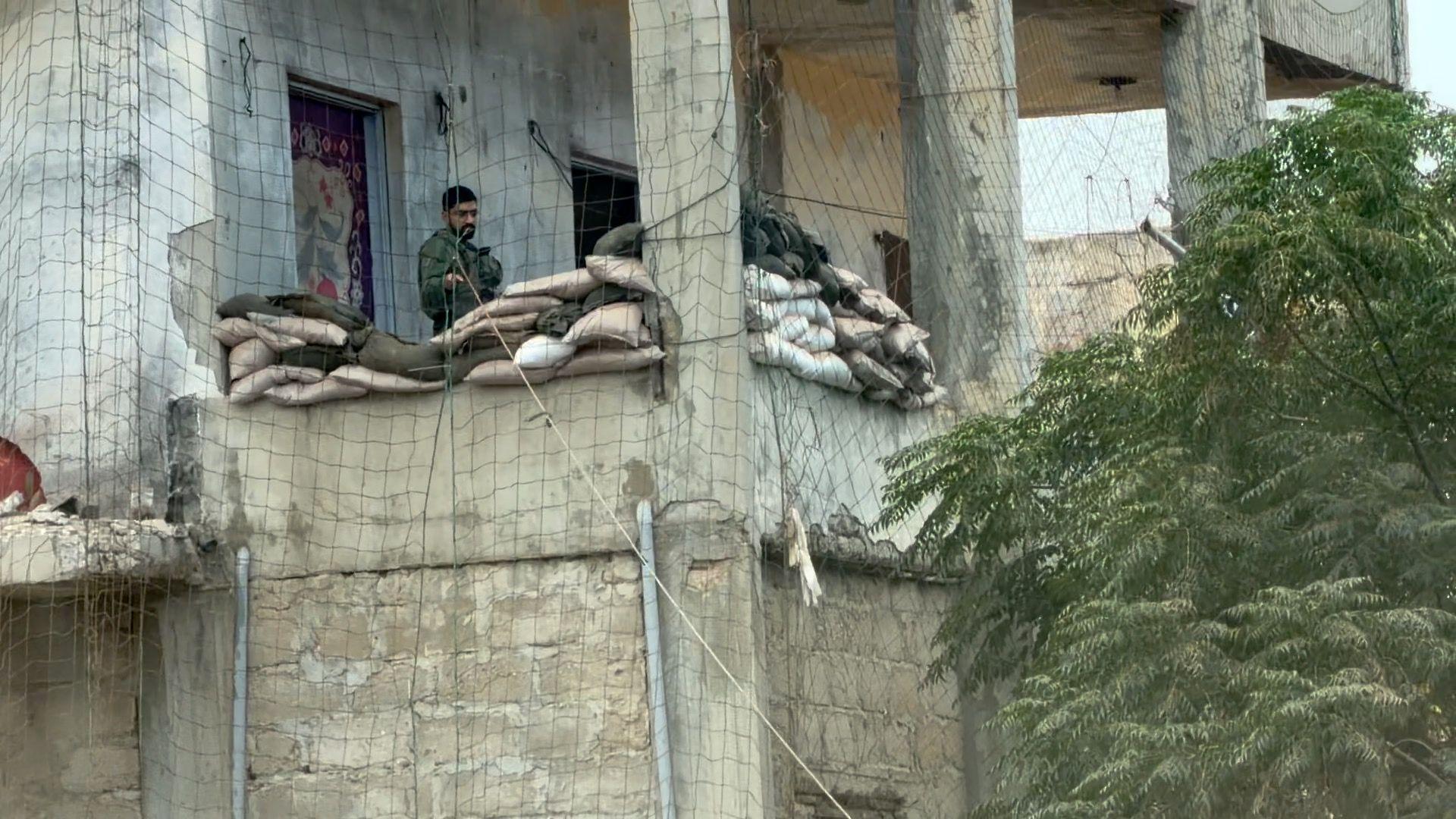
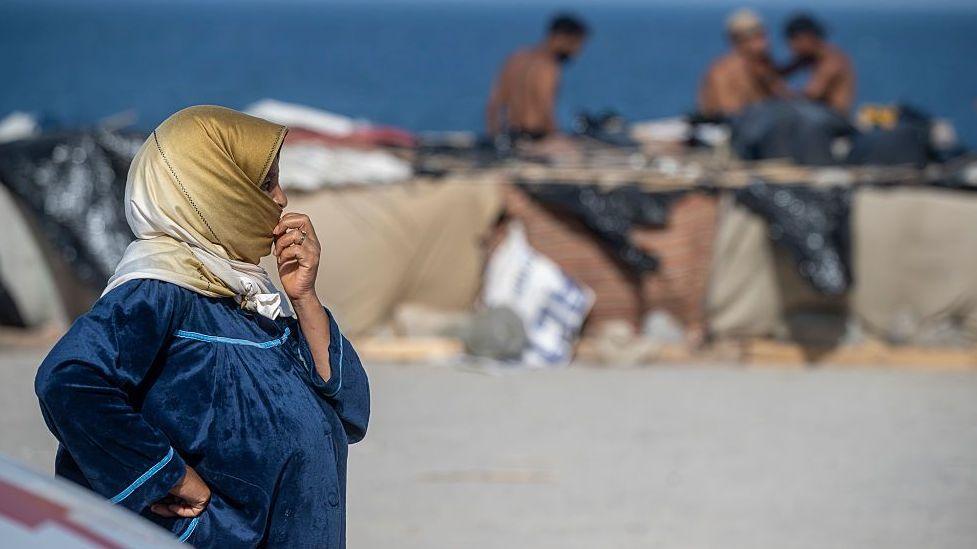
A week of escalating threats culminated on Thursday when Israeli soldiers marched into Qusra. The army ordered a dozen families to leave, detaining a member of the besieging group and confiscating materials left by the settlers. Cameras recorded the force moving through the village with tear gas and stun grenades, while the inhabitants walked away from their homes, some with only a single bag on their shoulders.
The IDF’s operation claim was that it aimed to protect residents from settler aggression. Nonetheless, residents reported that troops did not guarantee safe return: a man who fled that morning found his fridge emptied, with thousands of Shekels stolen. The soldiers later declared the houses were “cleaned” before allowing families back in, but many still found broken doorways and missing furniture.
The United Nations disclosed this year‑long trend: more than 6,300 Palestinians displaced by settlements and demolitions. In Qusra alone, eyewitness footage shows a settler still lingering behind the men’s tents, while Israeli security confiscated that settler’s canopy after forcing a perimeter. The conflict shows how often settlers use intimidation to push Palestinians from their land without any counter‑action.
Israel’s ambassador in New York said the settlements would “remain” as a “biblical, historic, legal” right. The U.N. community, however, maintains that the European Union and international law deem the outposts illegal and that escalation must stop. The international spotlight on Qusra may pressure Israel to reconsider its strategy, but the country’s current stance remains unchanged.