In brief
Fr Willie Doyle, a 16th (Irish) Division chaplain in World War One, was famed for running across No Man’s Land to rescue wounded soldiers, earning the Military Cross. After his death at Passchendaele in 1917, a Dublin‑based association has pushed his canonisation case, holding a service at Mullingar Cathedral to lodge a massive dossier with the Vatican. The Church’s diocesan inquiry has produced about 3,500 pages of evidence, from theological analyses to eyewitness letters. The bishop of Meath led a ritual sealing of the final tribunal minutes, highlighting the priest’s ecumenical charity and his relevance to Gen Z’s search for spiritual meaning.
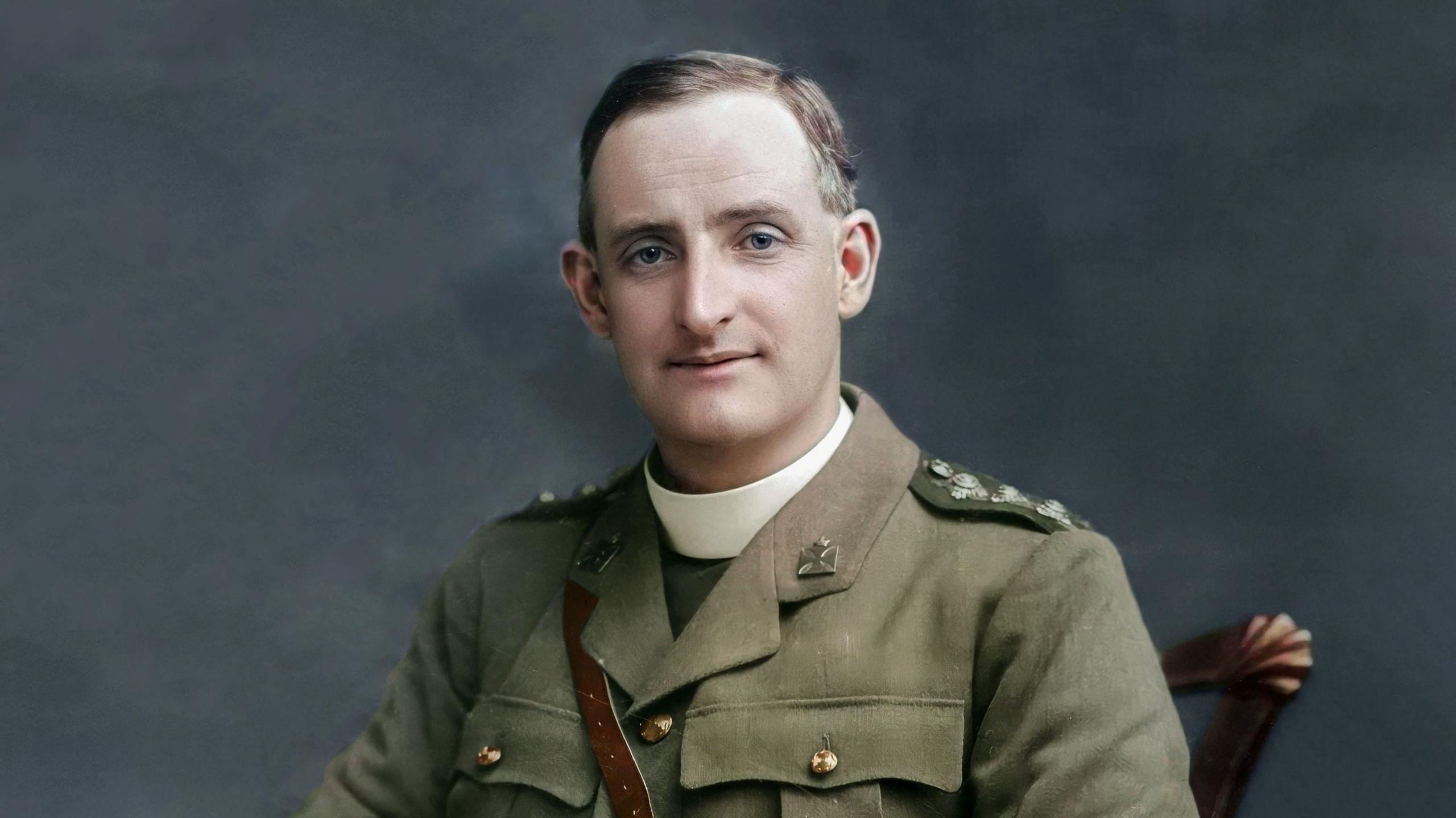
Fr Willie Doyle, the ‘WWI hero’ whose deeds earned him a Military Cross, now stands in the early limelight of the Catholic canonisation process.
Born in 1873 in Dublin’s affluent Dalkey, Doyle was a Jesuit novice before answering the call of war. He joined the 16th (Irish) Division as a chaplain in 1915, seeing action at the Somme, Messines and Passchendaele.
His record of bravery is extraordinary. Doyle repeatedly crossed No Man’s Land to ferry wounded soldiers to safety, and he comforted the dying under artillery fire. The Commander of the 16th Division, Maj‑Gen Sir William Hickie, called him the bravest man he ever met. His letters home, now a key historical archive, detail daily horrors and the soldier’s spirit.
The day of death came at Passchendaele on 16 August 1917. Lensed for two wounded Protestant soldiers, Doyle was struck by shellfire killing him. Because he ministered to men of all denominations, the Catholic Church regards him as an ‘ecumenical martyr of charity.’
The Fr Willie Doyle Association, founded in 2020 by former business‑school lecturer Patrick Kenny, has taken the lead in pursuing sainthood. In July the Church held a service in Mullingar Cathedral, where thousands of documents were collated before being sent to Rome.
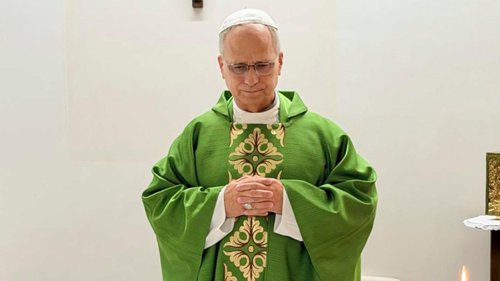
The canonisation process follows five canonical steps, many of which can take years. The first phase—a diocesan enquiry—has already produced nearly 3,500 pages of theological and historical testimony. A bishop’s tribunal interviewed experts to assess the depth of Doyle’s spiritual legacy. The final public session took place in the cathedral, under Bishop Tom Deenihan, who sealed the tribunal minutes in a traditional wax‑stamped parcel.
Bishop Deenihan said Doyle’s example of self‑less service offers a powerful counter‑to polite nationalism and division. He noted that the priest’s story resonates strongly with the spiritual climate of Gen Z, who seek meaning beyond foot‑soldier identity.
The Vatican now receives the dossier and will decide whether the next stages of canonisation, including the declaration of a miracle, can proceed. For the Catholic community in Ireland, the proceedings signal an inspiring chapter of faith and reconciliation rooted in World War One history.