As Iran contemplates the possibility of peace talks aimed at ending the ongoing war, the population finds itself sharply divided. On one side are those who yearn for an end to the violence; on the other are individuals deeply concerned that a ceasefire could merely reinforce the existing regime's hold on power.
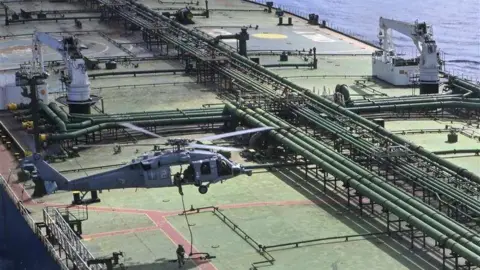
President Donald Trump recently hinted at a potential breakthrough in negotiations, emphasizing the urgency to reopen the Strait of Hormuz, a vital passage impacting global oil prices. However, Iranian officials, including Parliament Speaker Mohammad Bagher Ghalibaf, have dismissed these discussions as fake news, fueling further uncertainty among the public.
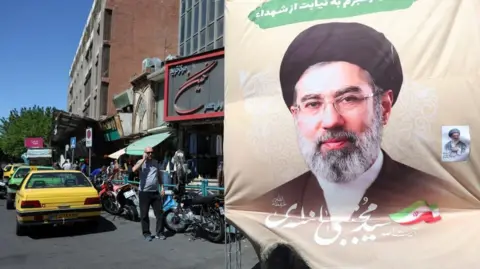
Behind the scenes, the war has escalated tensions within Iran, leading many citizens yearning for connection to the outside world to pay exorbitant prices for illegal satellite internet. Contrastingly, government supporters have showcased their allegiance through organized public displays, suggesting a unified front amongst certain factions.
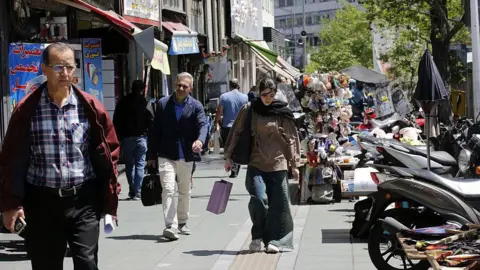
Ordinary citizens express a complex apprehension: Kiana, a young woman from Tehran, articulates her dilemma succinctly. If the war ends, the sounds of explosions will stop, but it means a regime that’s trying to reassert its power, she laments. Others share a similar sentiment, feeling trapped between the desire for peace and the fear of political oppression.
The situation reveals not only the immediate impact of war on a populace seeking normalcy but also the underlying tensions within Iranian society regarding governance and civil rights. As the world watches carefully, the outcome of any potential talks remains uncertain, generating discussions that reflect a nation at a crossroads.