Infantino’s World‑Cup Sale Sparks UEFA Boycott Threat
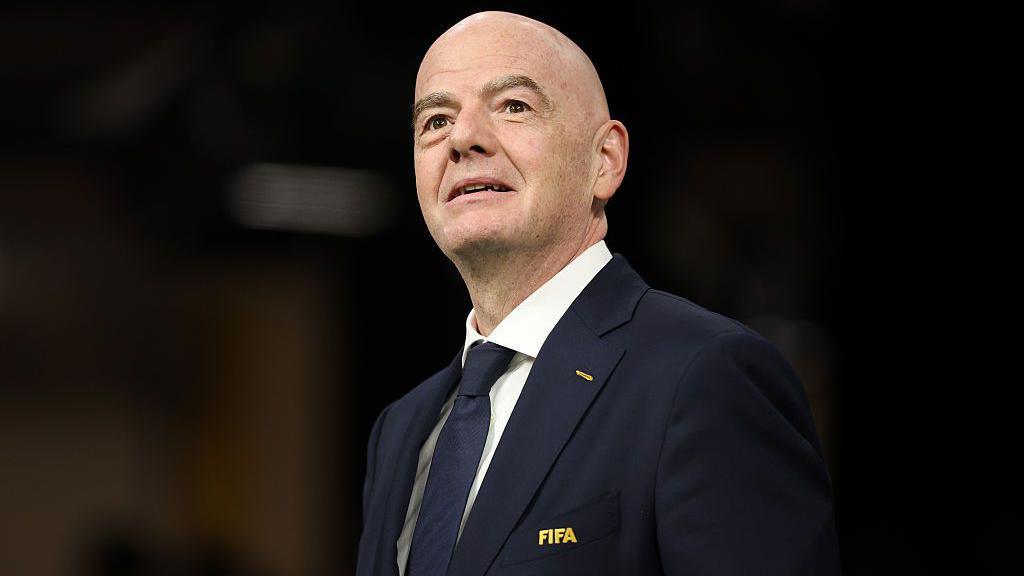
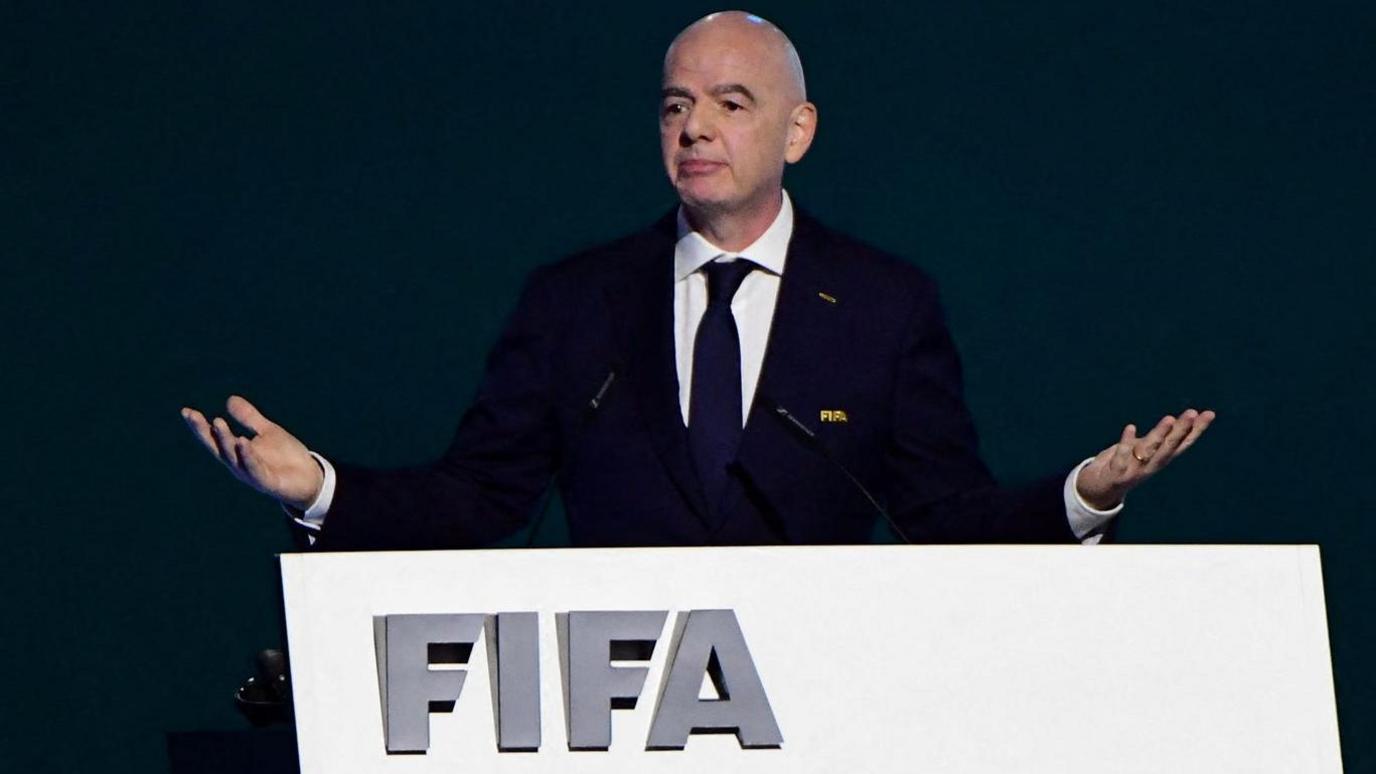
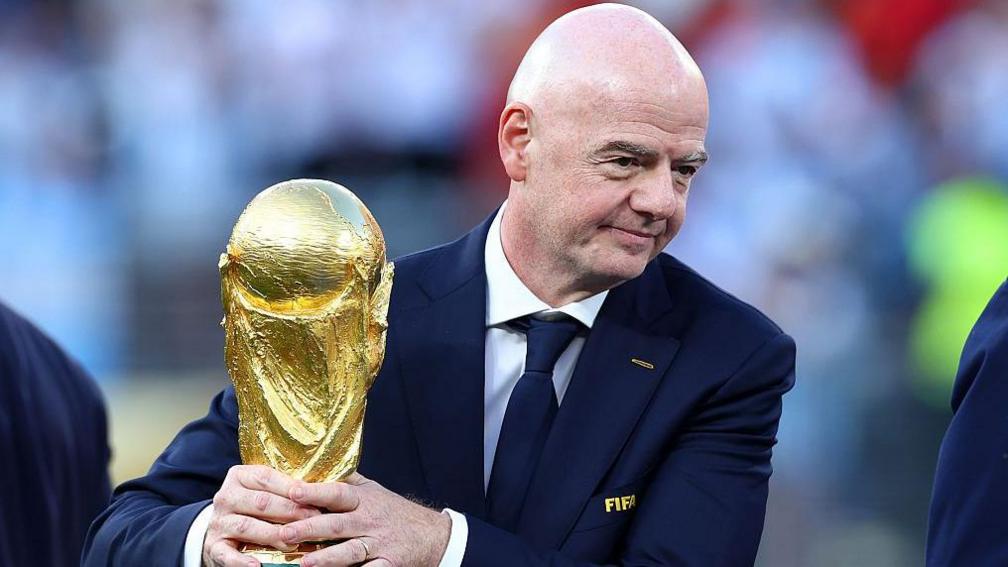
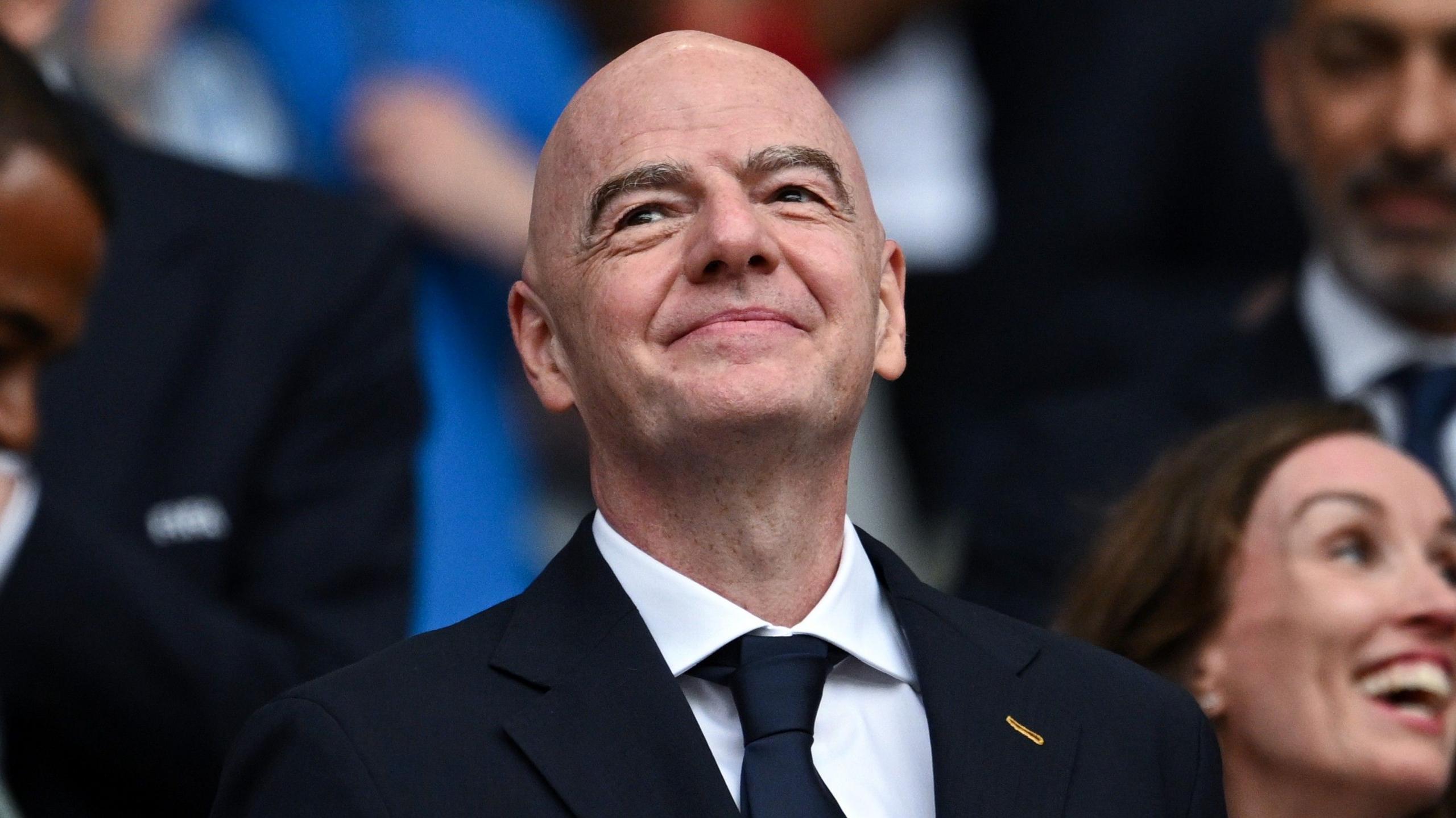
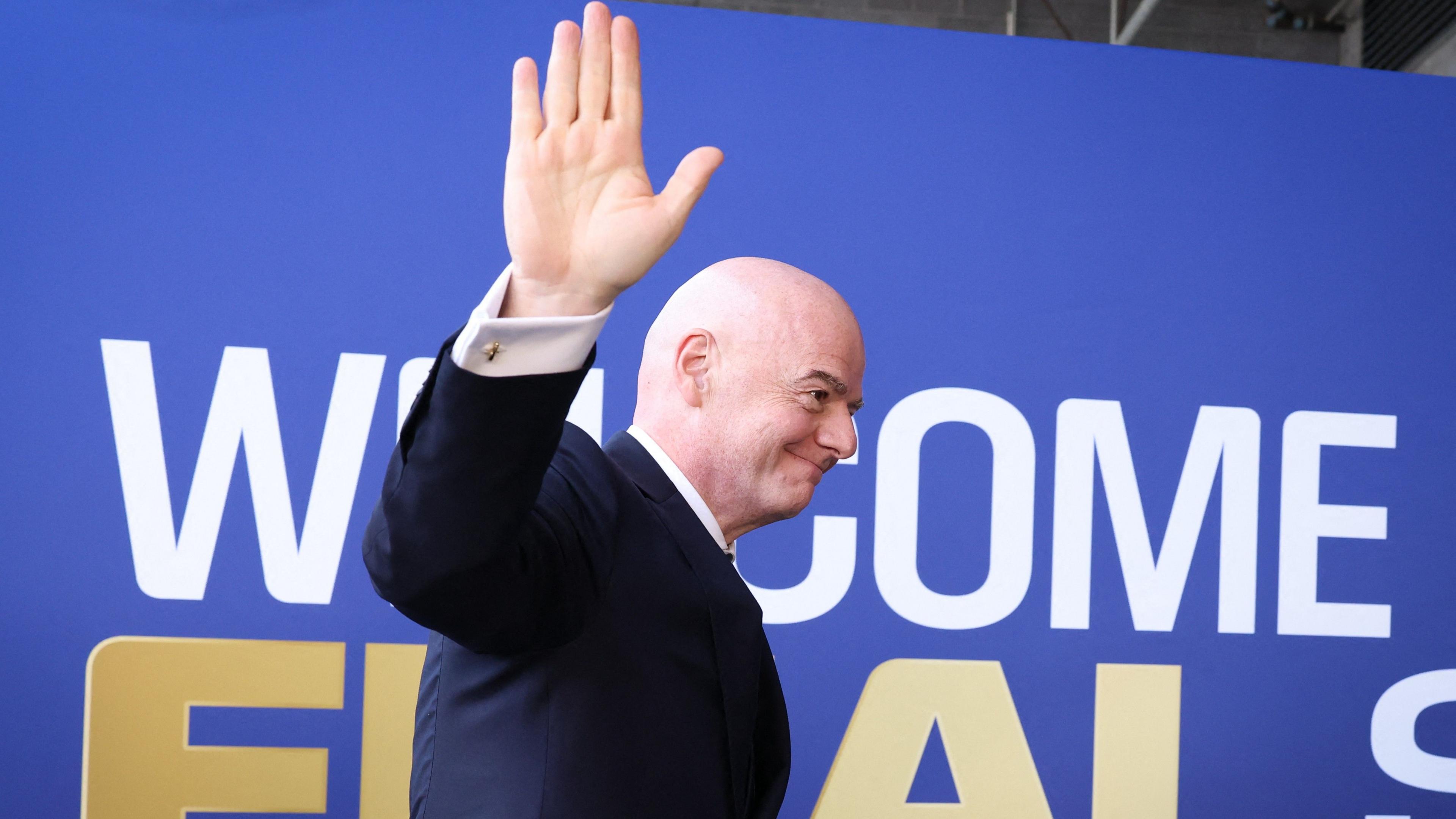
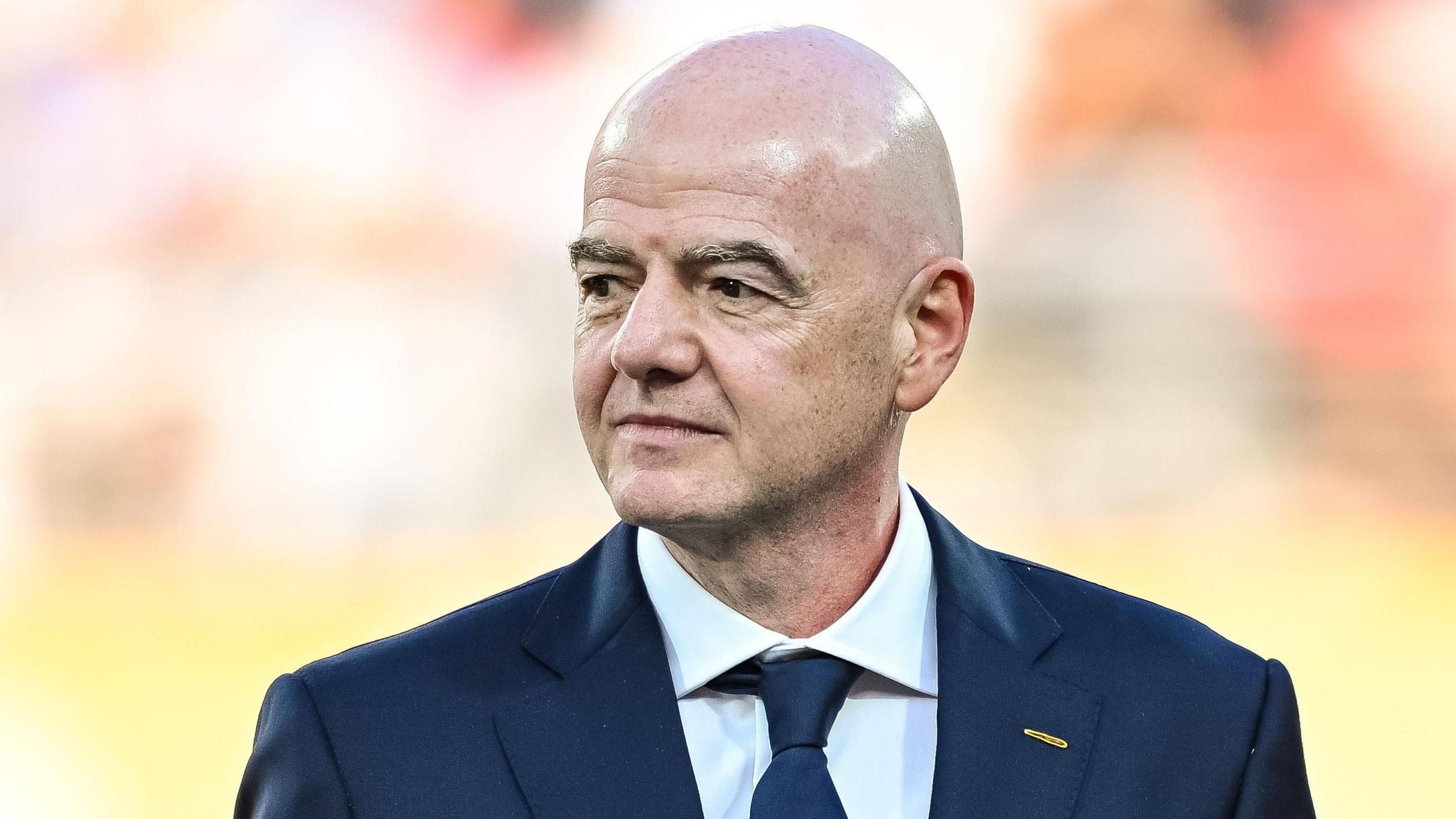
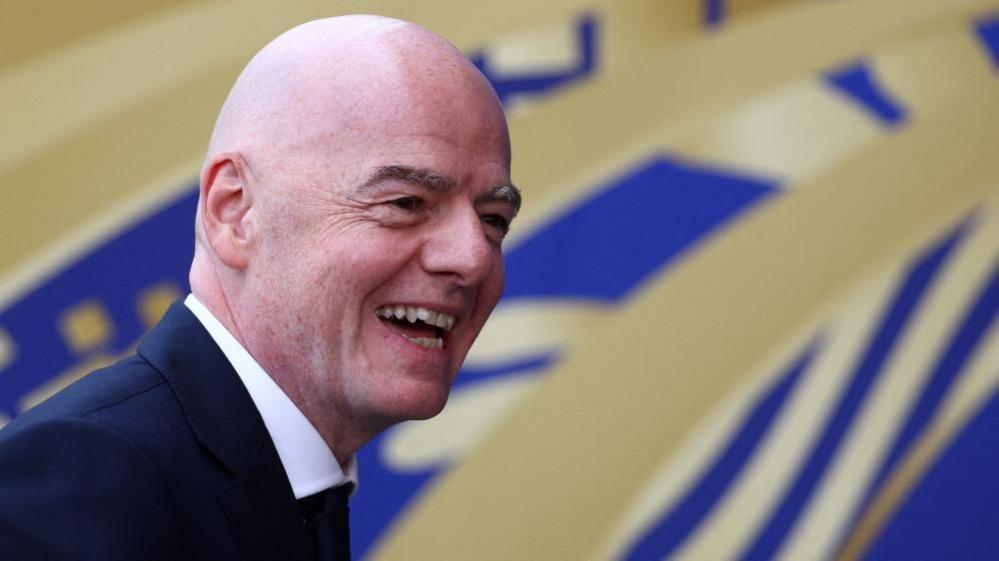
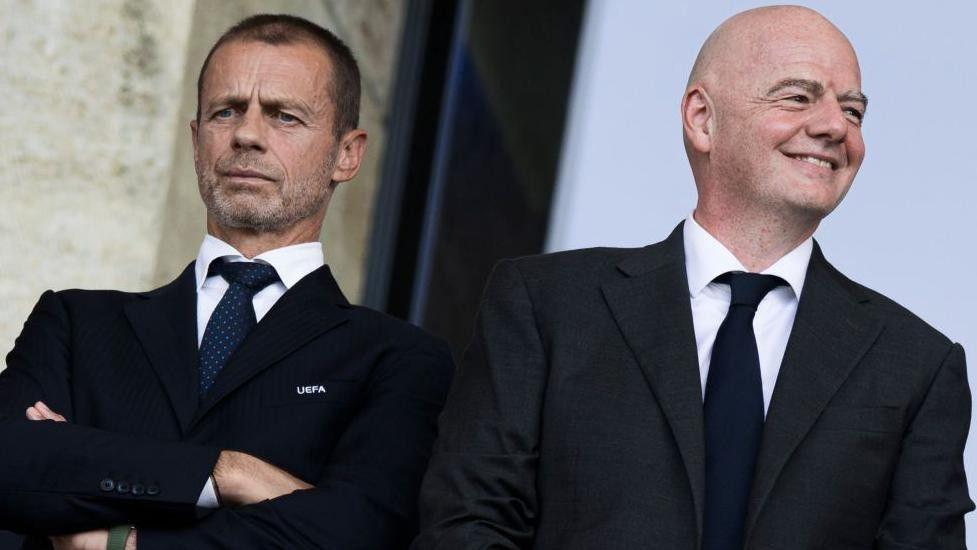
UEFA’s president Aleksander Ceferin issued a stark warning at a shadow meeting, stating that the governing body would “not participate in FIFA competitions” if Gianni Infantino’s plan to sell a 20% stake in a new World Cup subsidiary to private investors were approved.
The proposal—believed to be aimed at raising funds through a partnership with Joshua Kushner, a former U.S. connections linked to the President’s family—has ignited fury across the sport. UEFA’s stance came after FIFA’s announcement that it could receive a multi‑million dollar advance in exchange for the stake, a move many clubs say erodes sport’s integrity.
Key stakeholders have expressed concern over how the decision would affect upcoming tournaments. The 2026 Women’s World Cup play‑offs, featuring England, Scotland, Wales and Northern Ireland, could be jeopardised, and the U‑20 Women’s World Cup hosted by Poland may face withdrawal of European teams if the boycott takes effect.
FIFA confirmed that it had yet to respond publicly to the UEFA statement, but CONCACAF—whose 41 associations ruled the proposal out—has followed suit. International Football Association (FA) leadership, led by chair Debbie Hewitt and Scottish FA president Mike Mulraney, joined the outcry, warning that lack of consultation had betrayed the sport’s values.
The crisis places Infantino’s future in doubt. While the Swiss executive is due for a fourth term in March, analysts point to the unprecedented backlash from national associations and the potential to find a rival, such as Nasser Al‑Khelaifi, who controls Paris Saint‑Germain and the European Football Clubs association.
Speaking in a press conference, former UEFA chief executive Lars‑Christer Olsson noted a possible “reform” that would diffuse power by rotating the presidency among confederations. “Infantino has over‑played his hand,” he said, “and if he can’t win support, he’ll likely be forced out.
With the stakes high, UEFA and FIFA must negotiate quickly to ensure that global tournaments remain financially viable while upholding the sport’s integrity. The next decisive meeting will determine whether the world’s top football structures will go forward together or clash over the future format of the World Cup.