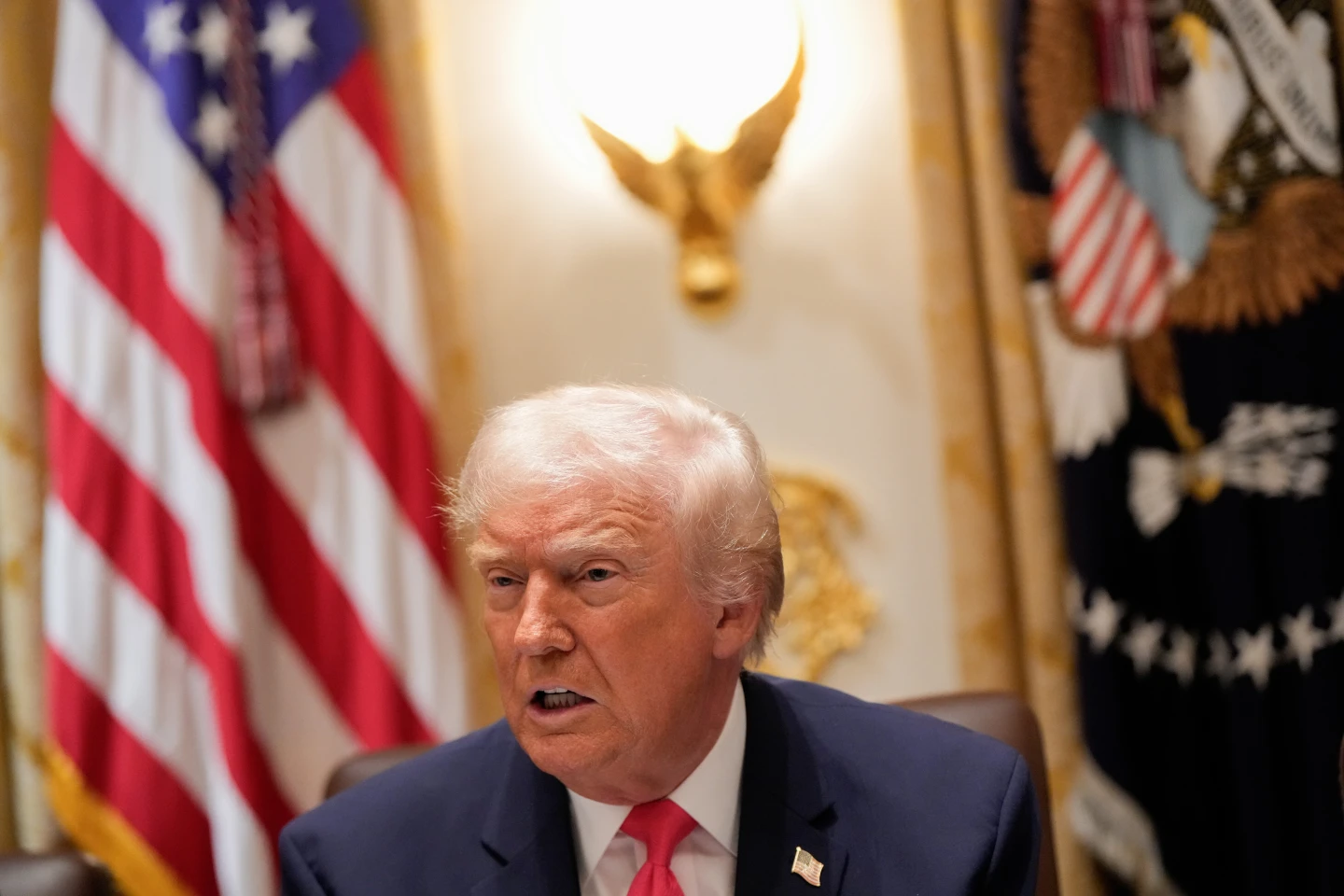
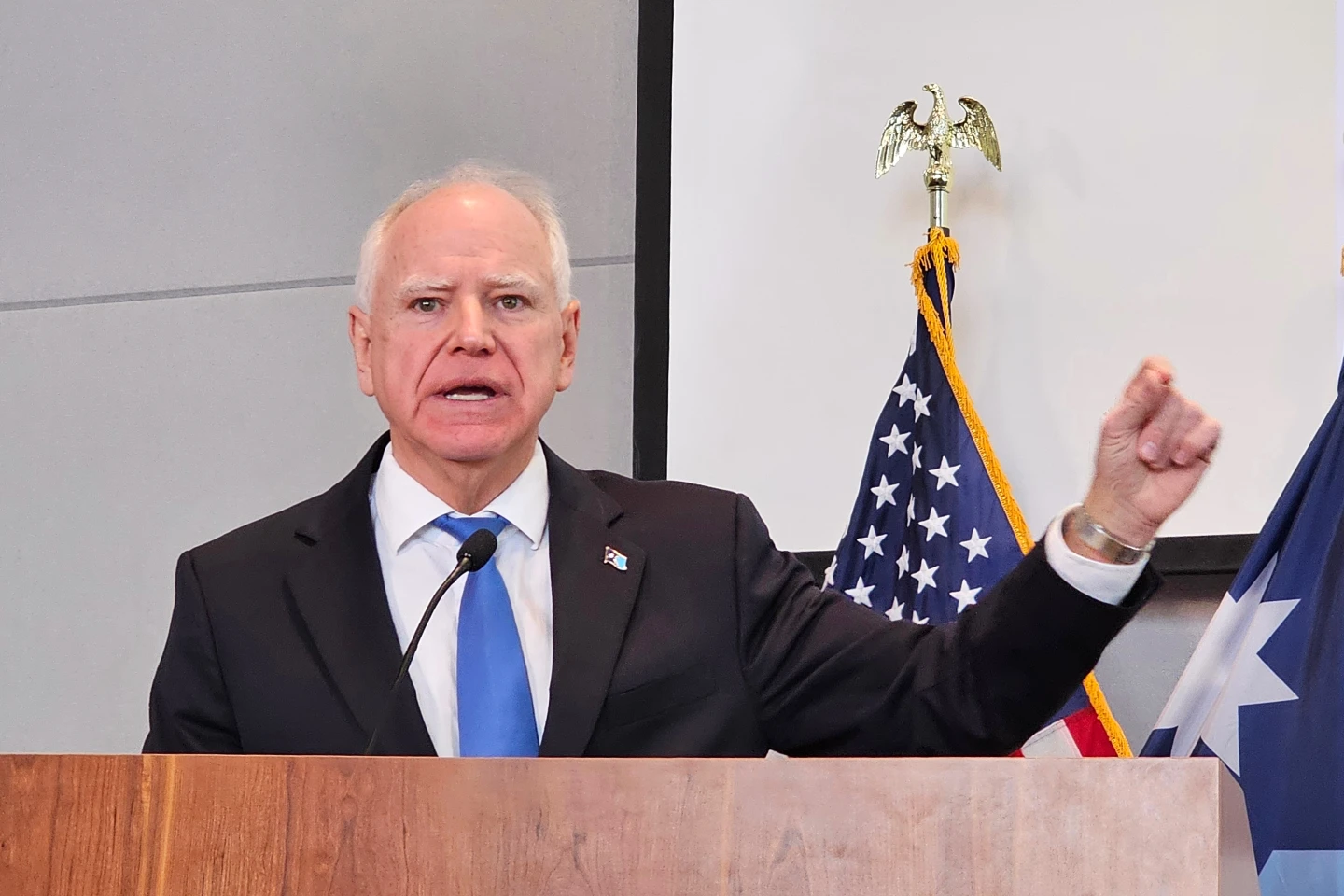
The Indiana Senate's upcoming hearing on a proposal to redraw congressional boundaries represents a pivotal moment for the state's Republican Party, which faces internal divisions and external pressures from former President Donald Trump. Designed to enhance Republican chances in the upcoming midterm elections, this redistricting effort is complicated by discontent among some GOP senators who are hesitant about mid-decade changes to the electoral map.
The proposal, introduced last week and quickly passed by the Republican-dominated state House, would drastically modify existing district lines, splitting the city of Indianapolis into four districts and merging urban areas with rural regions. Critics warn this redrawing could effectively eliminate the districts of Indiana's two Democratic congressional representatives, notably targeting André Carson, the state's only Black member of Congress.
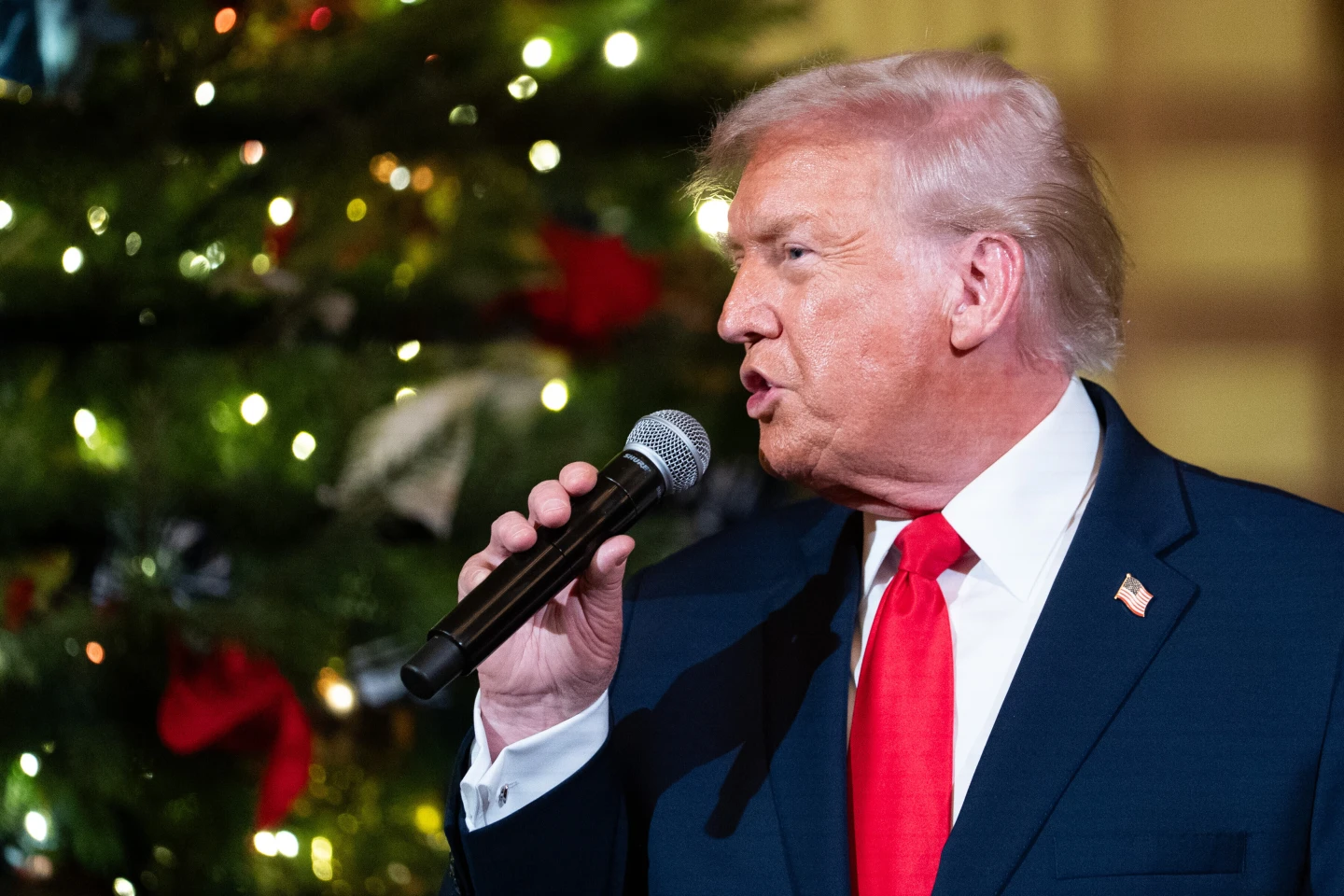
The Senate, controlled by Republicans, needs at least 25 votes to approve the map. Trump has intensified pressure on state legislators, threatening potential endorsements for primary challengers to any Republicans who oppose redistricting. The stakes are high as Democrats aim to regain control of the U.S. House in 2026 amidst historical trends favoring the opposition party during midterms.
However, many Senate members remain cautious about altering voting districts approved only two years ago. With the clock ticking — the deadline for congressional filings approaching in early February — the outcome of this week's Senate discussions will be crucial. Political analysts observe that the hearing may be a litmus test for the influence Trump holds over Indiana Republicans and the broader implications for Republican strategies across the country.