WASHINGTON (AP) — Julia Dvorak is worried her 83-year-old mother’s emergency room trips for seizures are depleting her retirement savings and will soon force her to go on Medicaid.
At the same time, Dvorak, who’s 56 and suffers from a chronic knee condition that keeps her on state and federal assistance, expects her own health costs to go up next year.
This financial squeeze has made health care a pressing issue for Americans, as shown in a new AP-NORC poll that asked individuals to share their top priorities for government action in 2026.
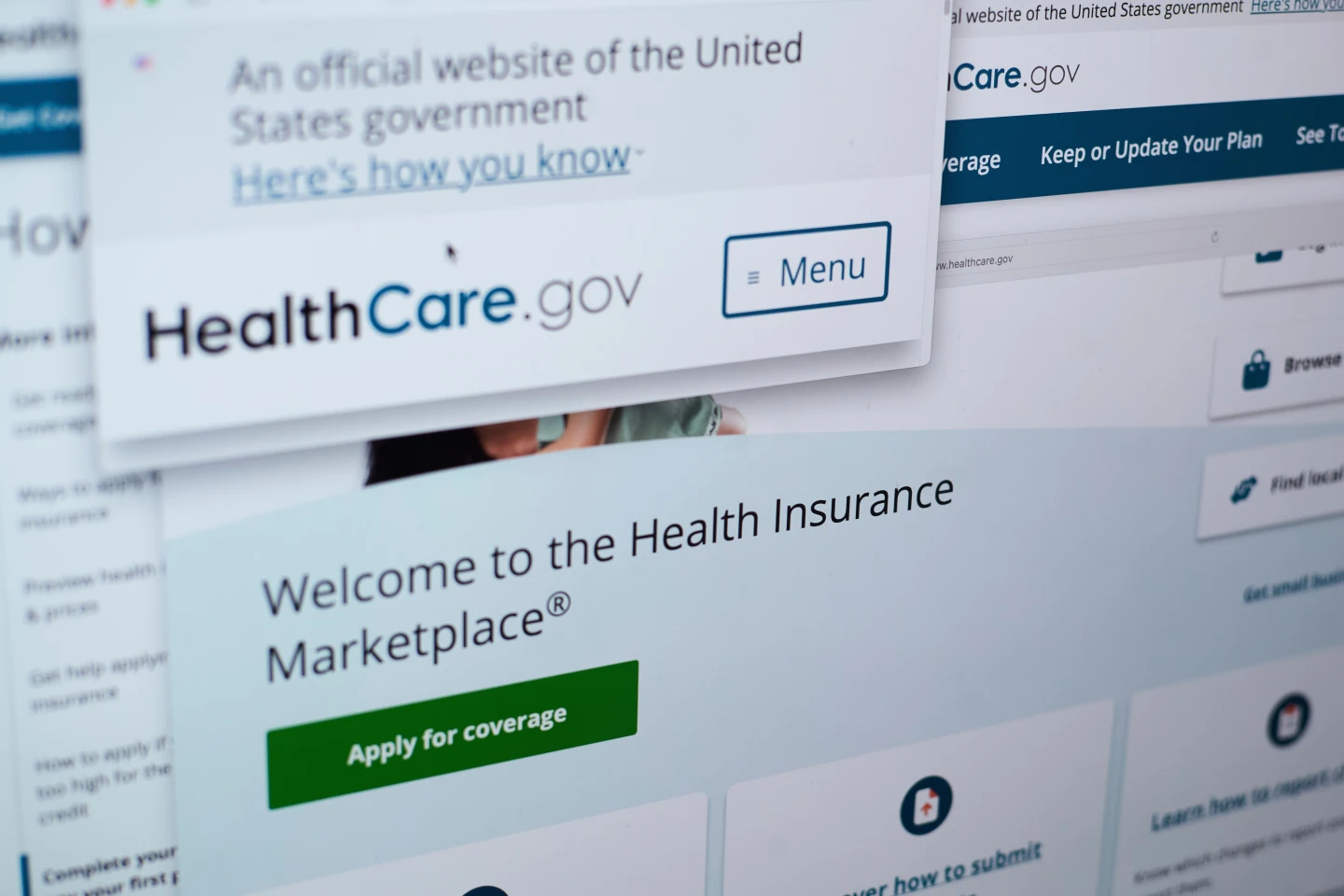
Concerns about health care have sharply increased compared to other issues following President Trump’s Republican administration cutting Medicaid spending and ending pandemic-era subsidies for the Affordable Care Act.
“I see how it affects me and my loved ones,” Dvorak said. “But I also know it’s affecting other people, and it’s getting worse.”
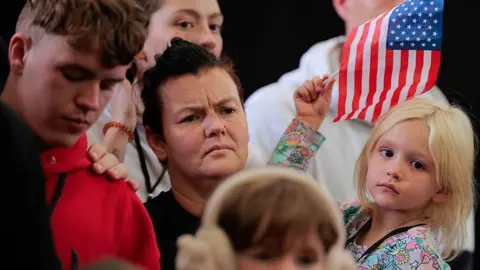
The changes signal that health care will be a critical theme in next year's midterm elections as voters consider Congress's control.
Poll Insights
The recent poll reflects a growing concern over health care, with nearly 40% of adults mentioning it as a key issue, up from one-third last year. This concern is especially pronounced among adults aged 45-59.
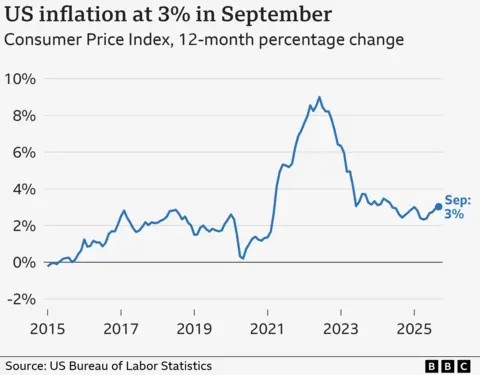
Tommy Carosone, a Missouri resident, expressed frustration about rising grocery prices exacerbated by inflation, contributing to a widespread sense of economic strain among typical American families.
Yet, as health care rises in importance, so do the concerns about inflation and the high cost of living, which remain significant issues for many.
Despite the increased focus on health care, there remains a pervasive sense of skepticism about the government's ability to effectively tackle these pressing matters: 66% of U.S. adults expressed low confidence in the government's progress on key issues. The poll, conducted from December 4 to 8 with a margin of error of ±4 percentage points, highlights the shifting priorities in American political discourse.