In brief
With the federal elections approaching on April 28, Canadians find themselves navigating a dangerous landscape of misinformation, exacerbated by Meta’s recent decision to block news content on its platforms. This decision has led right-wing content, particularly from pages like Canada Proud, to flourish in the absence of reliable news sources.
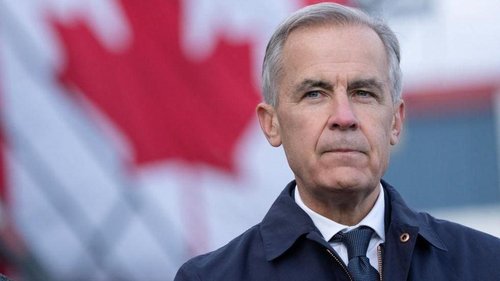
Days before officially announcing his candidacy for the Liberal Party in January, Prime Minister Mark Carney was targeted by a misleading social media campaign that featured photos of him with Ghislaine Maxwell, linking him unfavorably to her without valid context. Despite Carney's team labeling these claims as deceptive and taken out of context, the narrative proliferated, illustrating how misinformation can shift public perception during critical election periods. This amplification of hyperpartisan content reflects a broader trend in Canadian politics as users turn to unofficial sources on social media amidst a national news vacuum. Meta’s actions to block news under a new legislative requirement have resulted in a surge of infused misinformation, capturing significant engagement and thereby influencing public discourse. The consequences of this transitioning media landscape pose substantial challenges not only to candidates like Carney, but also to the integrity of the democratic process itself as misinformation storms social feeds during a pivotal election season. In response, experts are urging the public to critically assess the information they encounter online, reinforcing the need for factual reporting in a time fraught with division and misinformation.