German Neo‑Nazi Suspected of 1970 Arson That Killed Seven Jewish Survivors
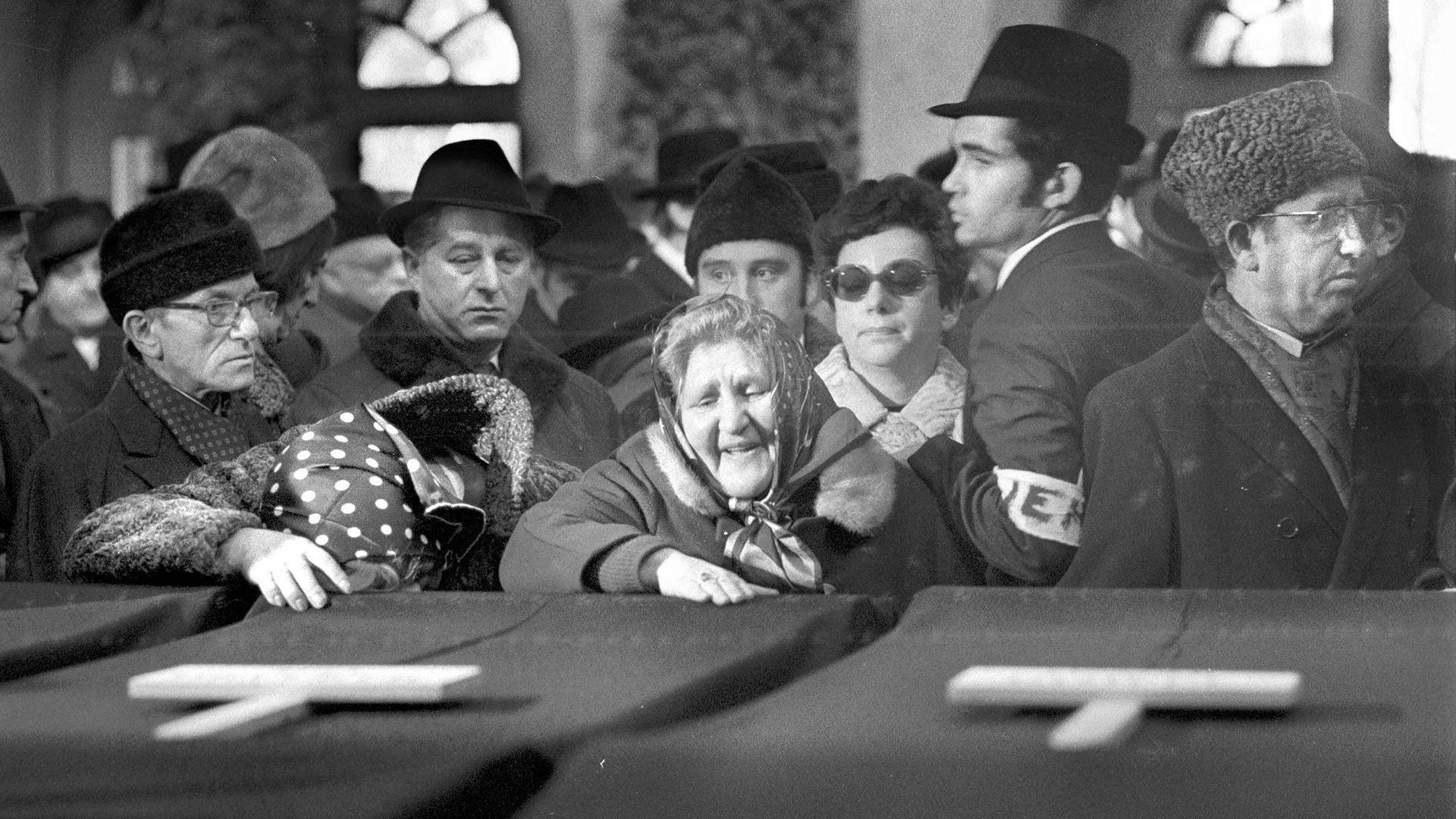
German investigators now believe they have identified the arsonist who set fire to a Jewish community centre in Munich on 13 February 1970, killing seven Holocaust survivors and injuring 15 others. The case, one of the country's darkest unsolved crimes, finally points to a 25‑year‑old neo‑Nazi named Bernd V, a suspect who died in 2020.
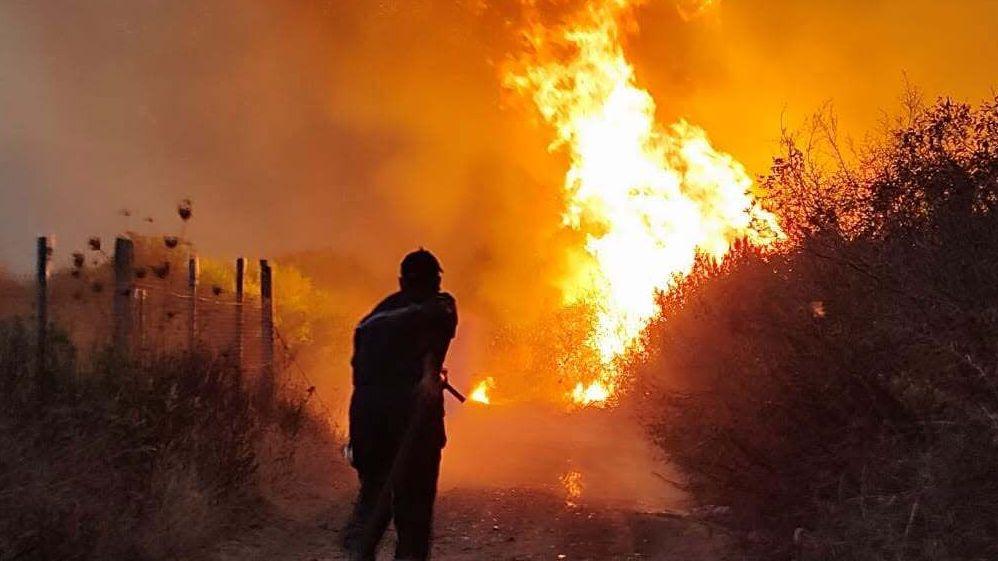
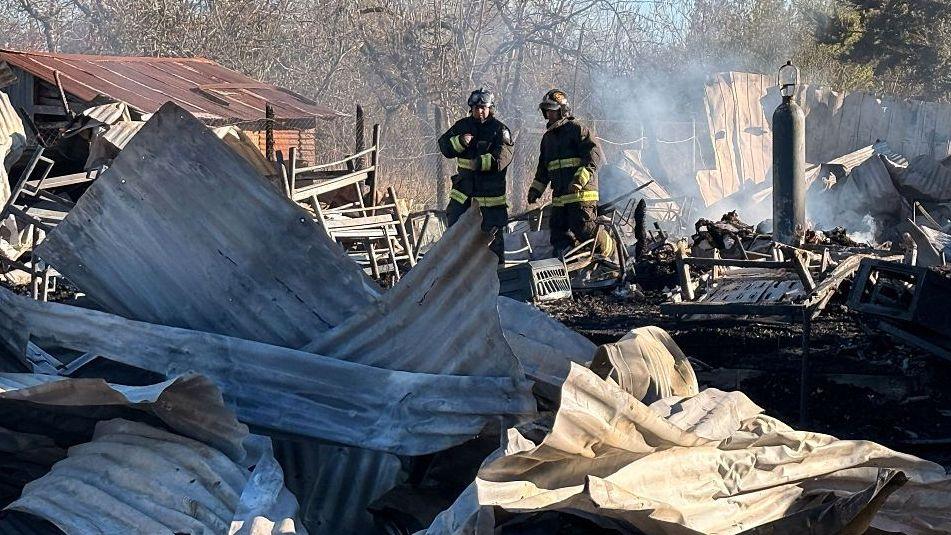
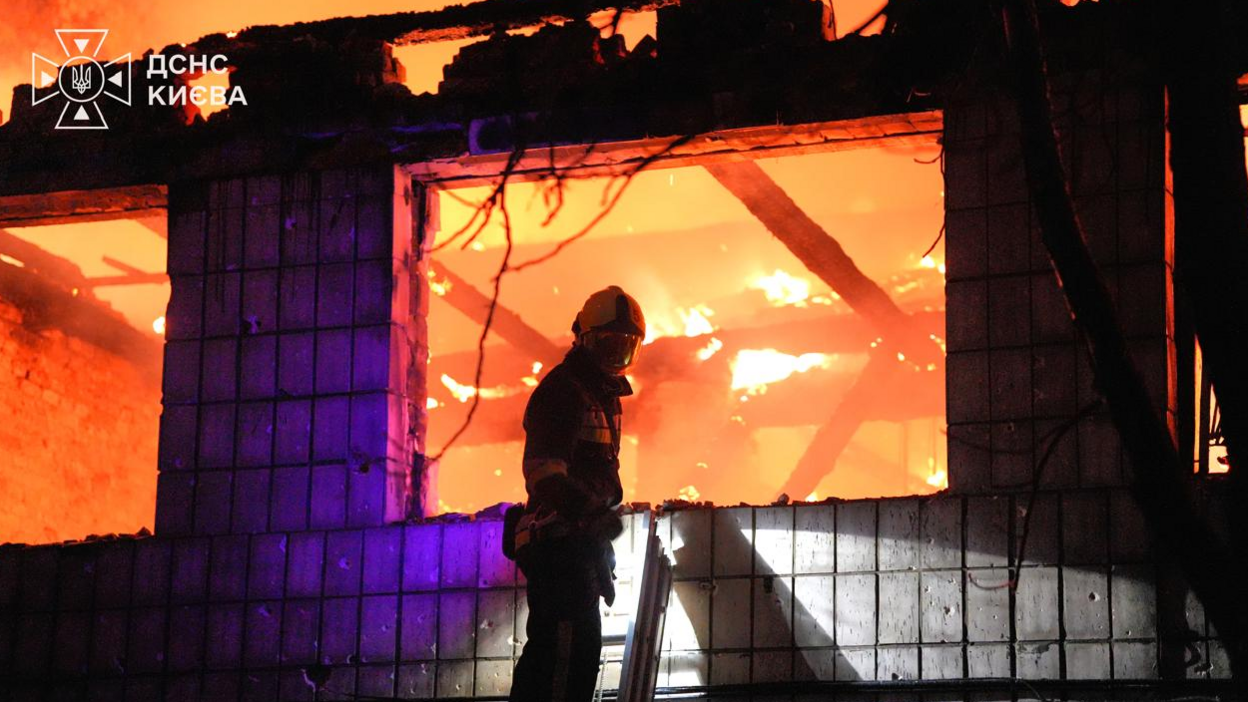
Injury and devastation – The victims were all elderly survivors of the Holocaust, aged 59 to 71. Four died in the stairwell they had fled, and a fifth died after leaping from a window. The fire, ignited by petrol poured into the stairwell, spread rapidly to the building’s top floor, forcing rescuers to reach survivors from the roof.
Evidence pointing to V – A woman came forward last year after the death of a close relative who had known V well. She claimed that, on the night of the alleged arson, V shouted that “the Jews had everything” and that he wanted to “set them on fire.” The prosecution, citing credible information from her and corroboration by other family members, asserts compelling grounds that V was the perpetrator. Witnesses say V had a longstanding “Hitler‑fixation,” had listened to Nazi speeches in his youth and had a dagger from a Hitler Youth group. He previously received a juvenile conviction for bombing two phone kiosks.
Investigation journey – The investigation was first closed in 2017 due to insufficient evidence. After new testimony emerged last year, prosecutors have reopened the file, stating that the presumption of innocence still applies, even after V’s death. No reliable evidence suggests anyone else was involved.
In an age where the memory of the Holocaust is still raw, the German authorities are now confronting a case that has modernised both forensic techniques and investigative rigor. Five decades later, the authorities admit that the crime remains a classic example of a historical failure in policing. Bernd V’s name surfaced early in the 1970s through a cellmate, but the case was dropped due to lack of conclusive proof. That earlier missed opportunity echoes in today’s judicial conscience.
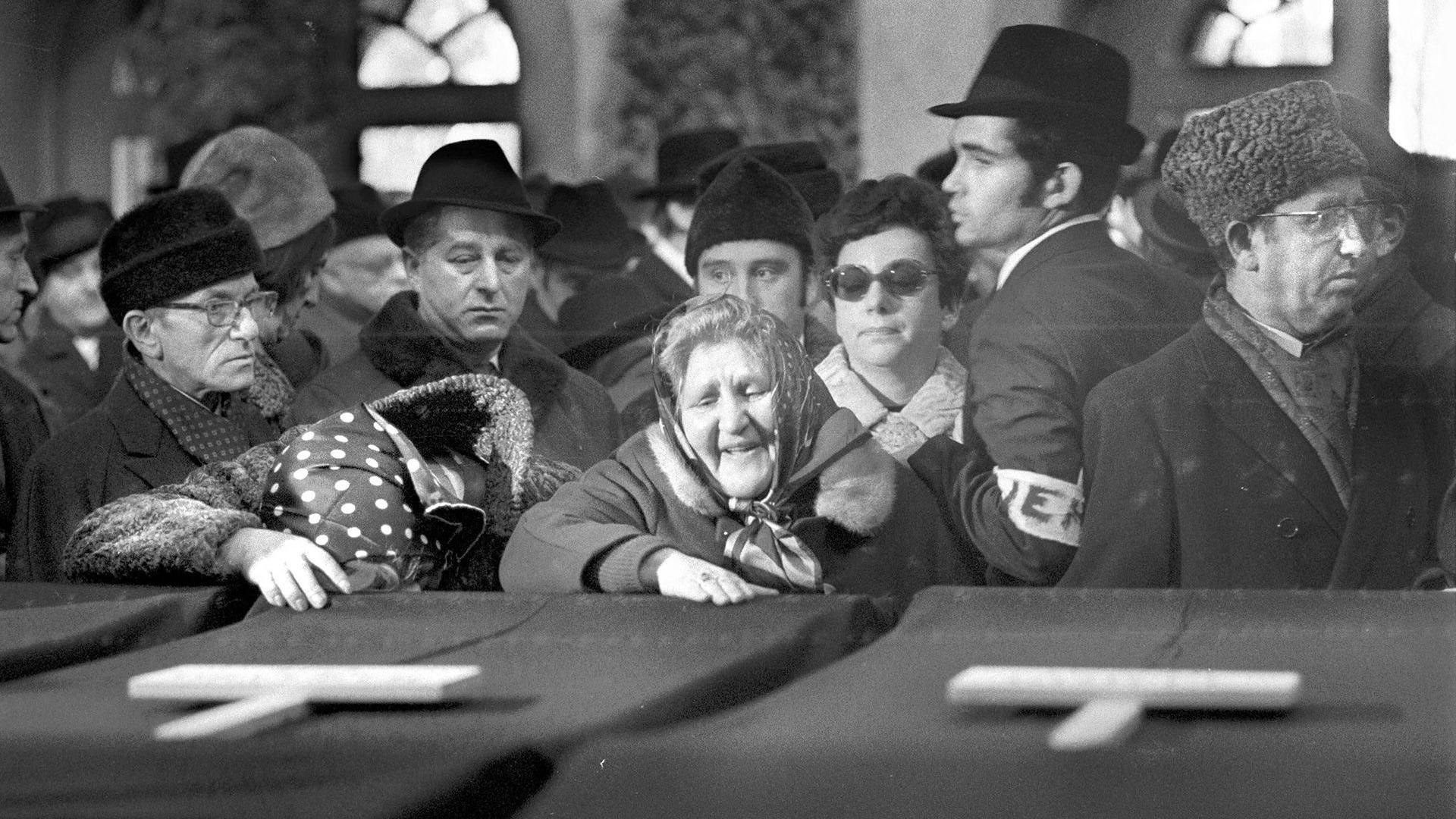
Image source: Imago via Alamy
*Original reporting by BBC News, adapted for OnPointInfo.news*