Amazon Cargo Plane Crash Near Miami: Pilot Warned of Excessive Speed

The Final Approach Was Flawed
Flight data released by the National Transportation Safety Board shows the Boeing 767‑300 hit the runway at 158 knots—close to the upper limit for that aircraft. The recorded conversation between the two pilots chronicled repeated alerts about excessive speed, but the cockpit audio indicates the response from the co‑pilot was neither direct nor consistent.
The data also flagged an automated “sink rate” warning during the last minutes, a safety alert that signals a descent that is too steep, and a “too low terrain” notice that warned the aircraft was hovering dangerously near the ground.
Delayed Flap Deployment Compounded the Problem
Analysts pointed out that the flaps—critical wing extensions that help slow the plane for landing—were deployed later in the sequence than expected. One aviation attorney explained that the late flap setting may have been an attempt to correct the high speed issue, but it also could have contributed to the aircraft’s inability to stop in time.
Collision Chain Reaction
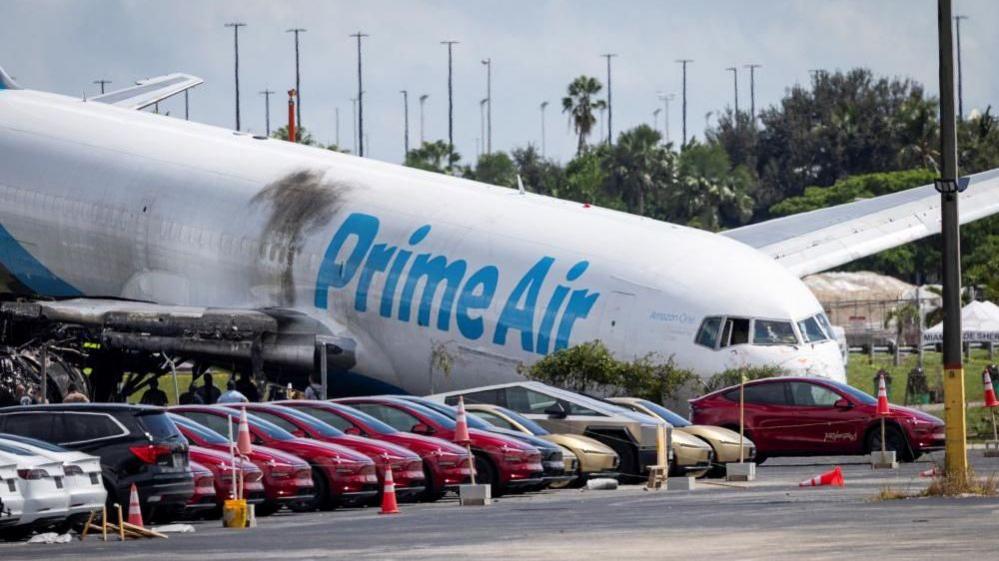
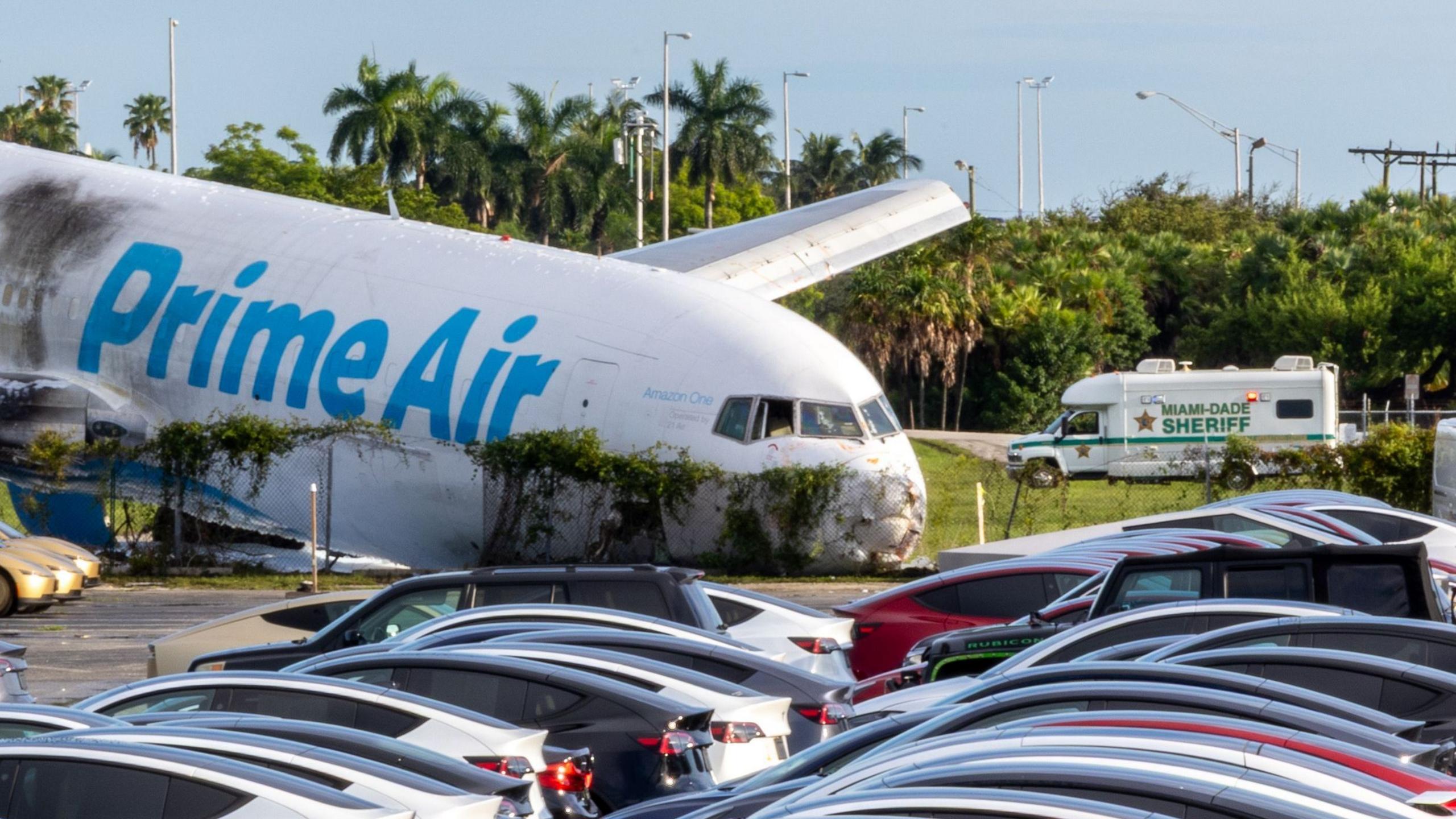
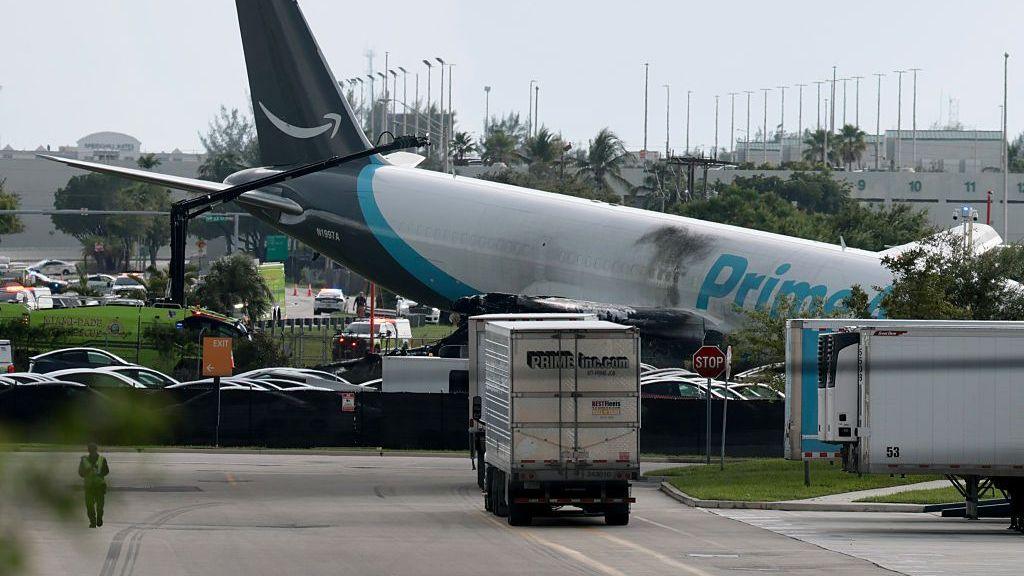
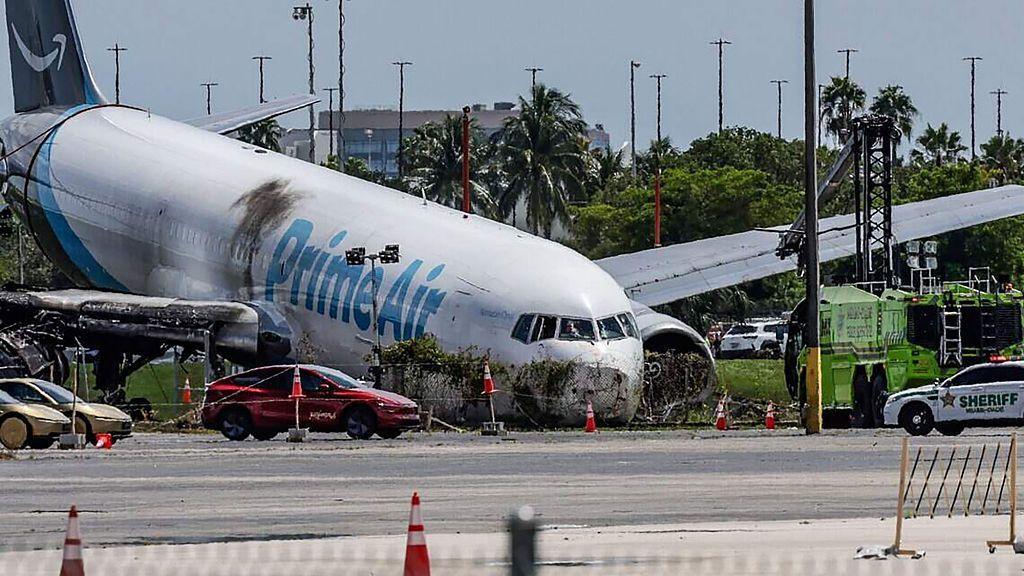
After overrunning the end of the runway, the aircraft struck a white Ford van, then a Toyota Corolla, before finally coming to rest about 1,300 feet beyond the strip. Five crew members on the van were killed, and five others were injured. Their names were later identified as Rolando Aleman Leon, Yoel Rodriguez Naranjo, Julio C Pineda, Carlos Acosta Fajardo and Javierkys Reyes Quevedo.
Investigation Continues
The NTSB is leading the investigation into the accidental loss of life. While the exact causes are still uncertain, available data underscores a series of cockpit mishaps that culminated in a heartbreaking crash. Authorities are continuing to analyze flight data, pilot conversation, and aircraft mechanical systems to ascertain the root causes and prevent future tragedies.