Families hold onto hope as thousands remain missing in Gaza
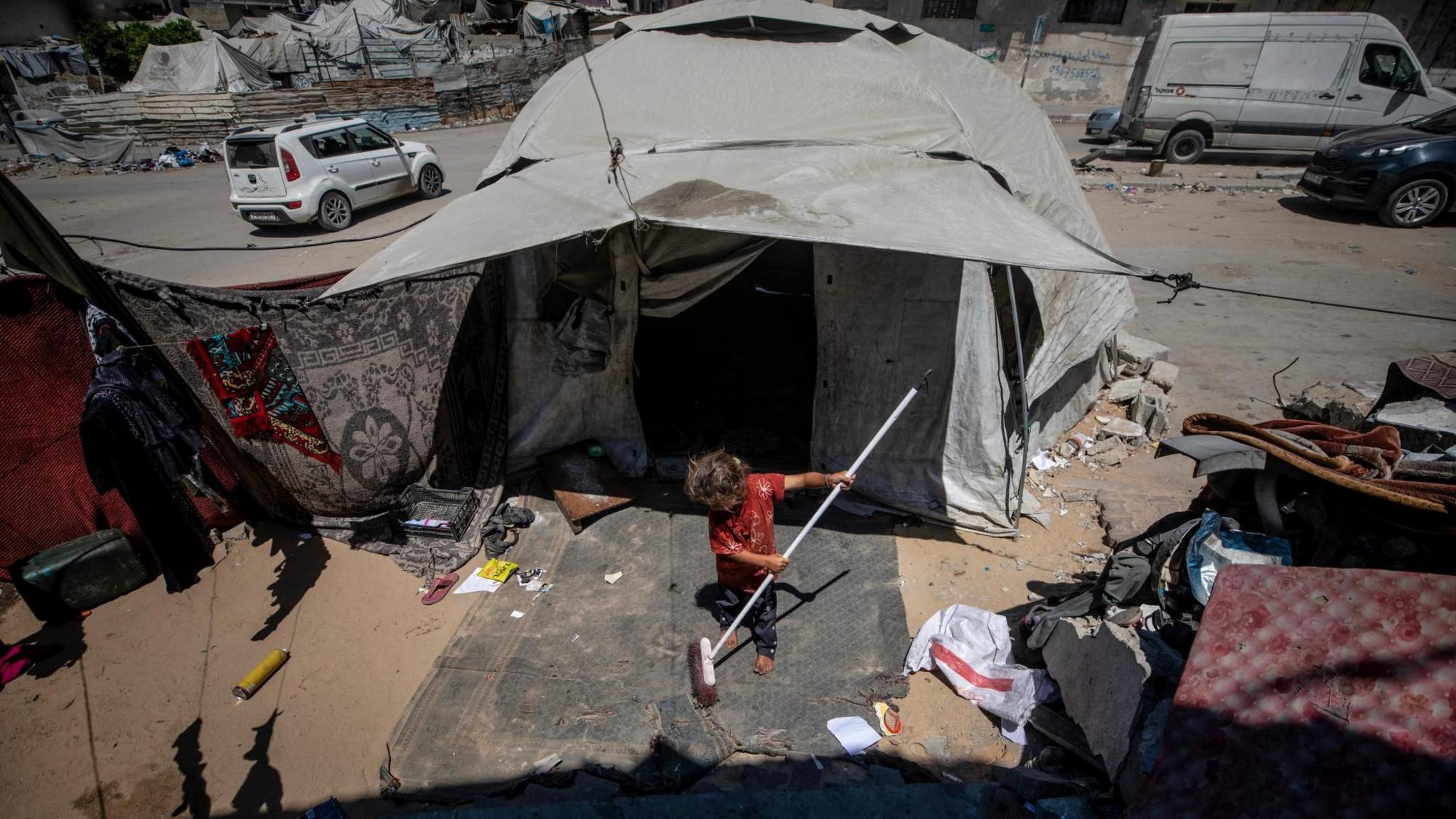
Amid ongoing clashes between Hamas and Israel, a frantic search for missing relatives has turned into a daily struggle for many families. Every death or disappearance adds to the pool of people whose fate remains unknown, leaving parents and loved ones in a state of endless uncertainty.
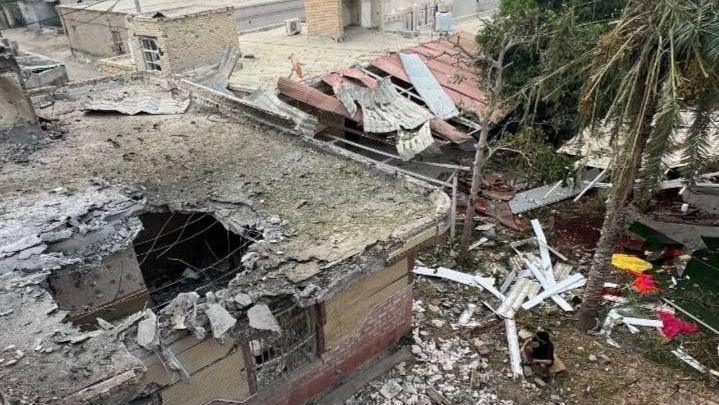
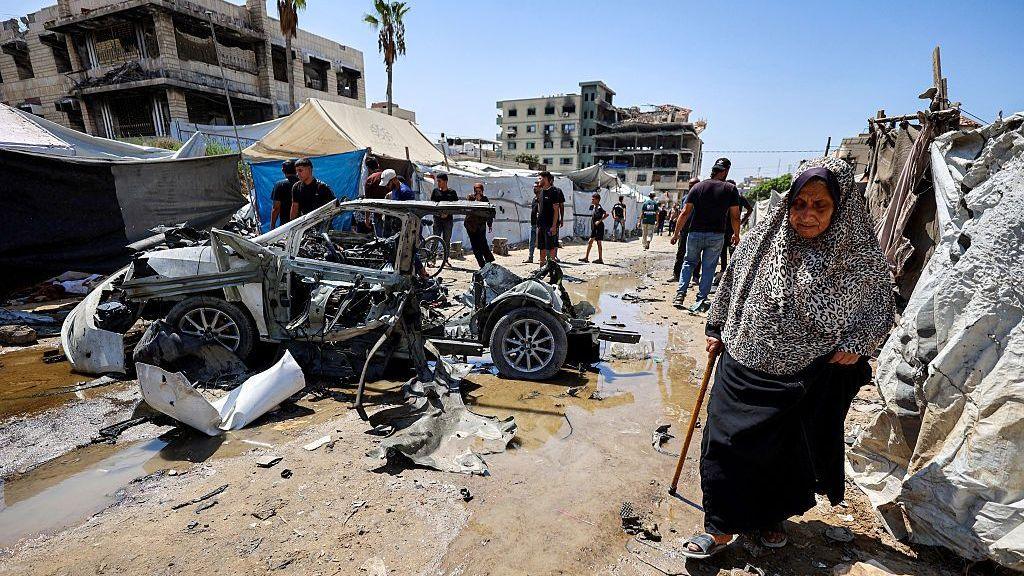
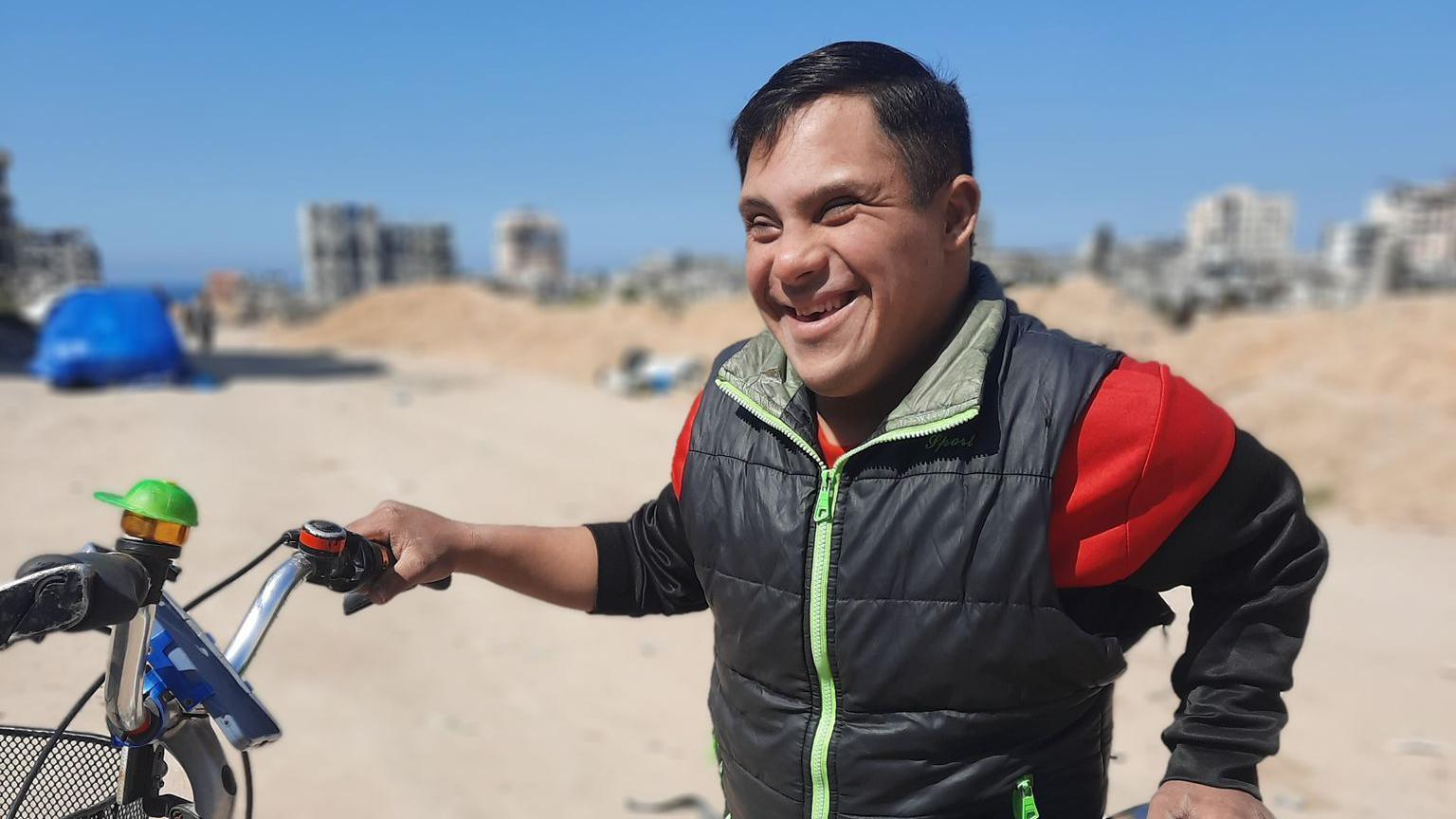
Ahmed al Madhoun, a 21‑year‑old diagnosed with Down’s syndrome, was last seen visiting a shop in Gaza City in May 2025. With a contagious smile and an exuberant personality, his mother Majdiya shows video clips of him cuddling a kitten and belly‑flopping in a pool, yet she has not heard a word of his whereabouts. Israeli strikes that day turned his neighborhood into rubble; he might be among those buried or displaced beneath collapsed buildings, or he could still be alive somewhere within the shattered city.
Official figures report more than 73,000 deaths in Gaza since the campaign began. However, the deaths of those trapped under the wreckage are not counted in the tally. The International Red Cross has received over 5,000 inquiries for missing family members, whereas the local Civil Defence agency states that the missing number tops 8,000. Those bodies are uncovered daily, but identification is hampered by limited forensic resources and the lack of DNA testing.
Israeli detention adds another layer of fear. Roughly 7,000 Palestinians have been detained since war onset, with over 5,000 released without charges. A significant number remains unaccounted for as prisons deny any record of holding the families’ relatives. Attempts to contact relatives have met silence, and families must now rely on NGOs and lawyers to navigate the opaque system.
Aida al Drimli’s son, Mahmoud, disappeared in 2024. A photo circulated on social media shows a blindfolded young man in Israeli soldiers’ arms, sparking Aida’s conviction that it is his son. She has presented this image to the Red Cross, yet Israel refuses access to prison lists, keeping her in a painful unknown.
The overarching impact of not knowing whether loved ones survived, were killed, or detained is a wound that never heals. Israeli restrictions on independent media and the Red Cross’s limited entry to detention facilities compound the anguish. Families are left grappling with the prospect that a single picture may not prove enough, and that denial of information is an additional cruelty.
Until accurate records are made public and the identities of missing persons are matched to their families, the sorrow of Gaza’s bereaved will remain unresolved. The call for a transparent search and contact system grows louder with each day the war continues.