Survivor’s Perspective
Alonzo Lunsford told BBC Radio that the 2009 shooting at Fort Hood left him with seven gunshot wounds and a lifelong scar—physical and emotional. He argues that the firing‑squad method is "befitting" for Nidal Hasan and that lethal injection would be "doing him a favour". Lunsford says he only wishes the execution is in person, not a broadcast for entertainment.
Livestream Controversy
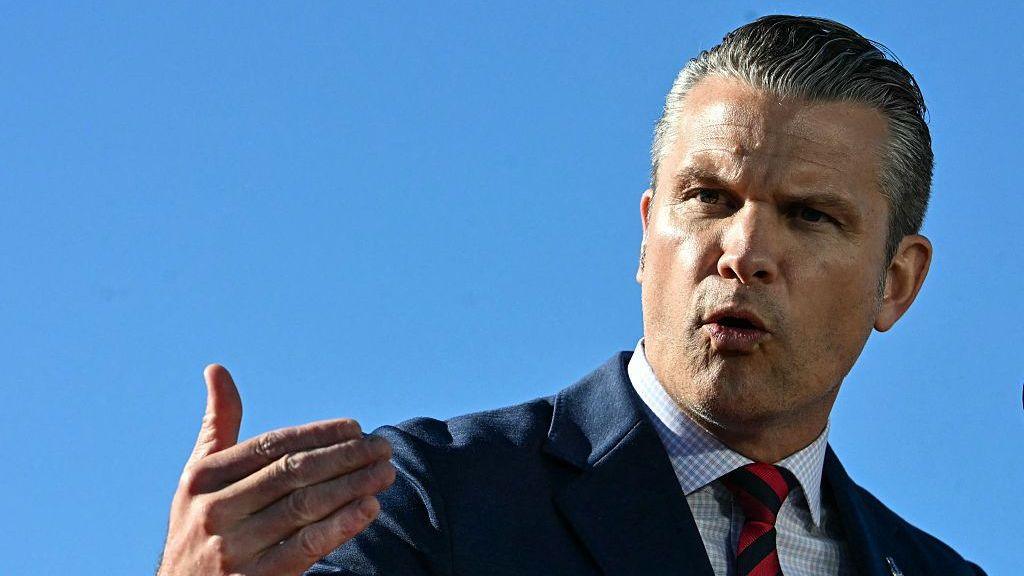
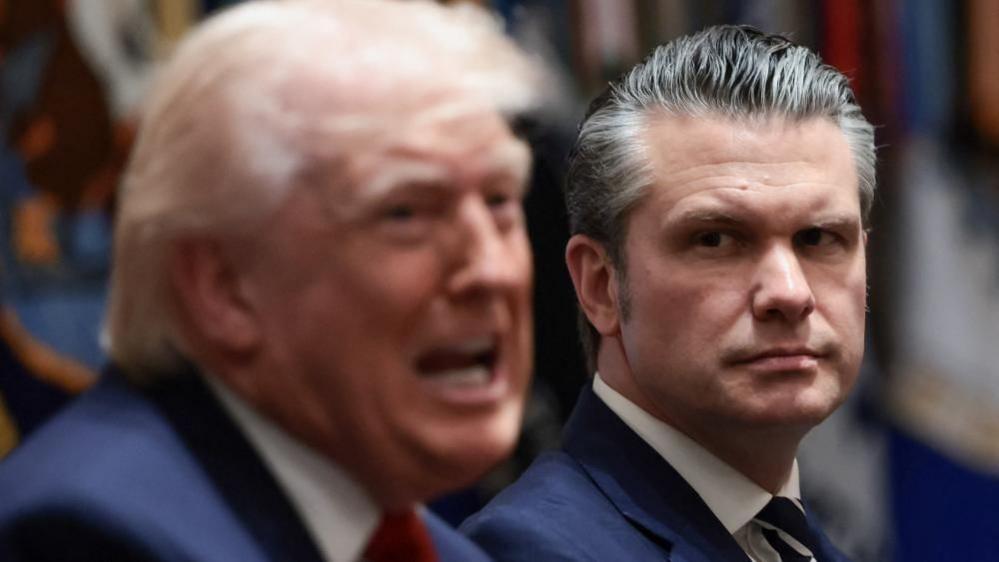
Defense Secretary Pete Hegseth said the public will be able to view a livestream, hoping it would showcase the harsh consequence of atrocity. Legal experts warned it could be blocked in court, making this potentially the first public execution in the US in nearly a century. Lunsford cautions that livestreaming could send a message to younger viewers. He wants families of survivors to see the reality of the execution, but he resists turning it into a spectacle.
Context and Reactions
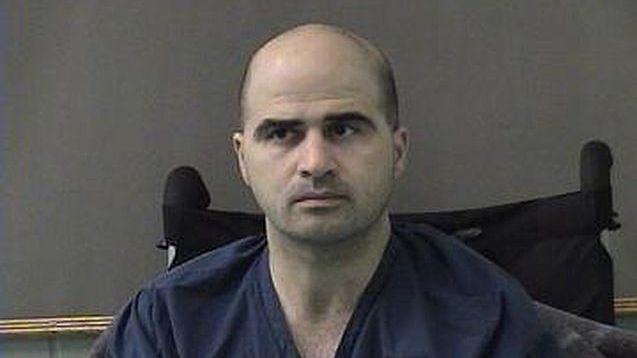
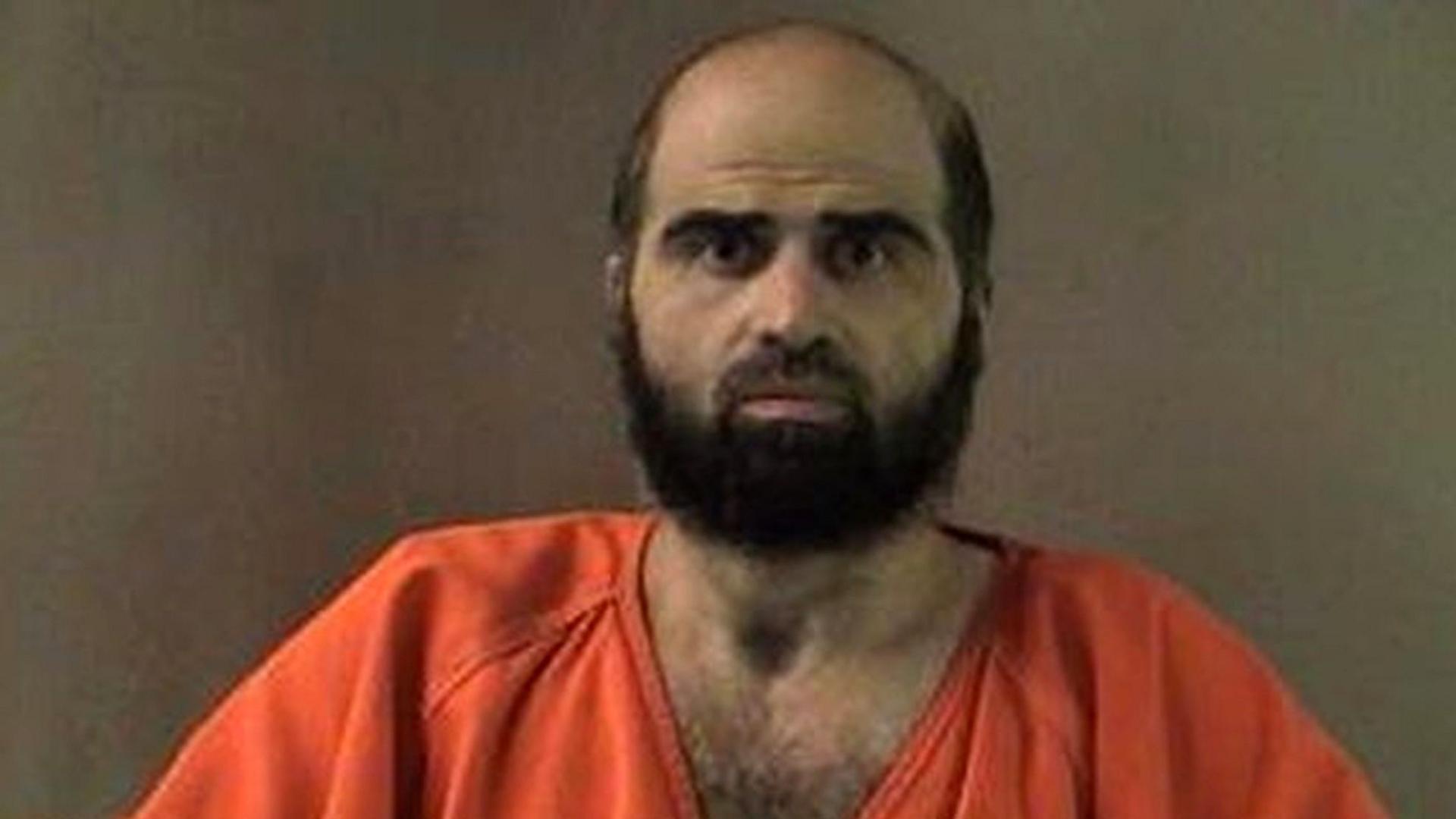
Hasan, a U.S. Army psychiatrist, committed the attacks that claimed 13 unarmed soldiers’ lives. Senators Chris Murphy and Thom Tillis have voiced their opposition, with Murphy calling the livestream plan "disgusting" and Tillis comparing it to the actions of oppressive dictators. Meanwhile, the Pentagon says the execution is "important" for public awareness.
Personal Reflections
Although Lunsford says he seeks forgiveness for Hasan, being a Christian he stresses that "you can ask for forgiveness with your last breath." He recalls the scene where a soldier told Hasan she was pregnant, a memory that still affects him. Lunsford also told the BBC that the execution should allow witnesses to look at each other in the moment: he wants Hasan toface the full weight of his actions.
Whether the execution happens and whether it is televised remain uncertain, but Lunsford’s testimony underscores the tension between justice and the public’s right to see the consequences of violence.