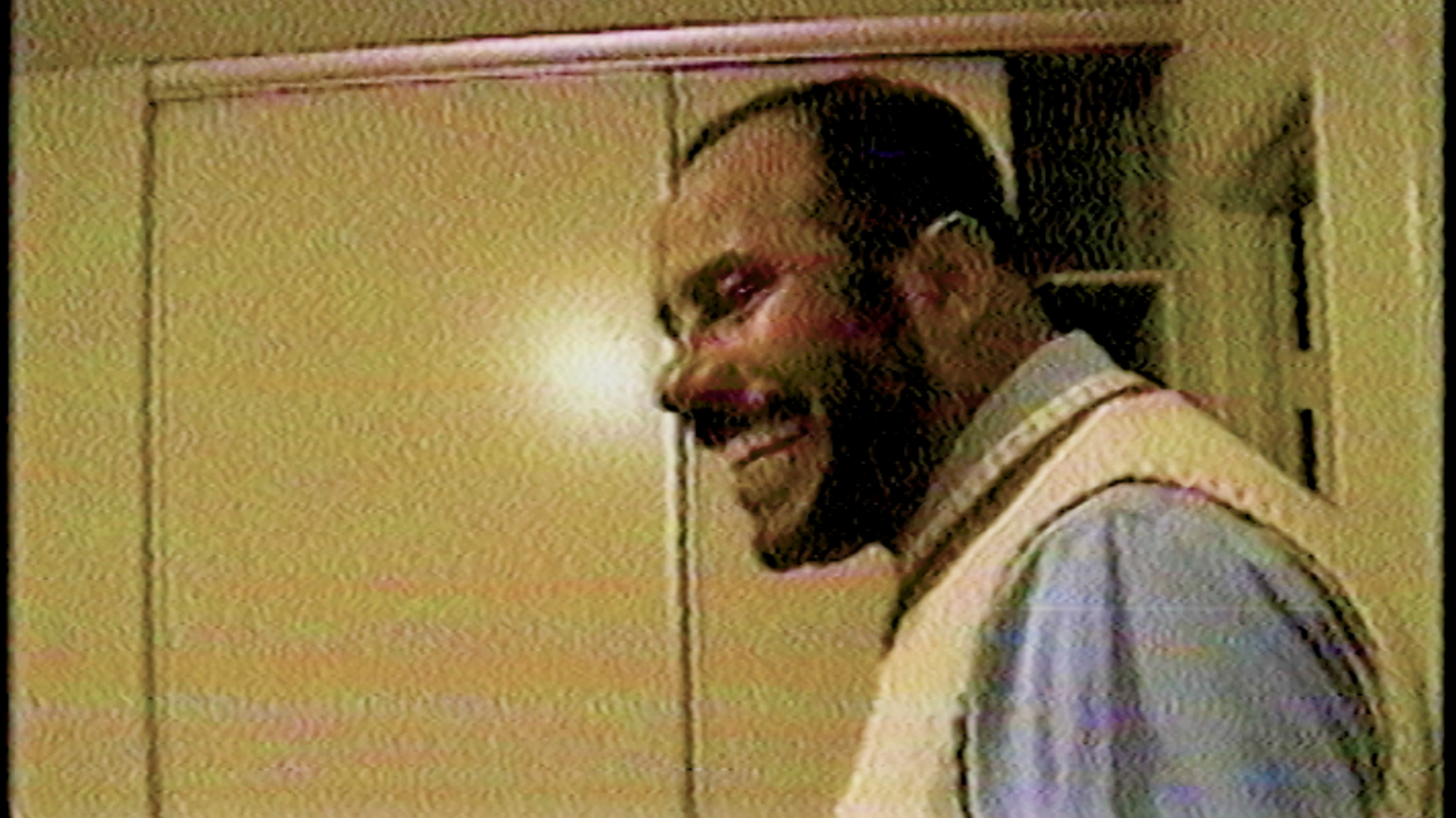
In a pivotal decision that could change the legal landscape for 9/11 victims’ families, the New York Court of Appeals heard arguments from lawyers representing the families and the Saudi government.
The families accuse Omar al‑Bayoumi, a former Saudi government employee, of knowingly supporting two of the hijackers and operating within a network that linked back to the Saudi Ministry of Islamic Affairs. They argue that, under the Justice Against Sponsors of Terrorism Act (JASTA), they can hold Saudi Arabia accountable for the attacks that killed almost 3,000 people on 11 September 2001.
Saudi Arabia counters that the country enjoys sovereign immunity and that the allegations are “categorically false.” The State’s counsel emphasized that key facts—particularly Bayoumi’s employment status—are undecided and must be resolved before the court can strip the country of immunity.
On the other side, the families’ lead lawyer highlighted that the district court had already found Bayoumi’s actions “were not just acts of a good Samaritan.” He argued that the Saudis failed to rebut evidence that Bayoumi was following official instructions to aid the hijackers.
The panel considered whether to send the case back for more concrete findings, possibly involving live testimony. Judge Calabresi asked which witnesses Saudi Arabia could call; the State’s counsel suggested Bayoumi himself might be required to testify if credibility remains in question. Judge William Nardini concluded the hearing by noting the difficulty of the case and that the panel would issue a ruling in the future.
After 25 years of waiting, families like Terry Strada, whose husband was killed in the World Trade Center, expressed cautious optimism that the court will honor the district judge’s decision and move to trial. The outcome will set an important precedent for holding foreign governments accountable for international terrorism.