Ex‑Nigeria Oil Minister Acquitted of UK Bribery Charges
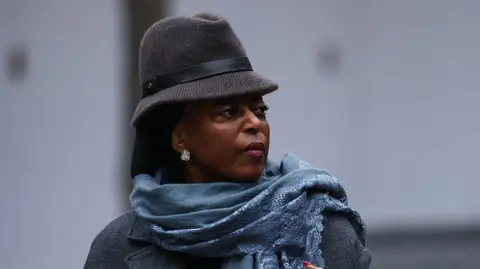
In a dramatic verdict delivered by a jury at Southwark Crown Court, Diezani Alison‑Madueke was cleared of five counts of accepting bribes and one charge of conspiracy to commit bribery. The former oil minister, who served Nigeria between 2010 and 2015 and headed the country’s oil export group OPEC, spent 11 years embroiled in the case before finally emerging unscathed.
The Allegations
Prosecutors alleged that Alison‑Madueke had permitted powerful Nigerian oil executives to bankroll her extravagant lifestyle in the UK, purchasing luxury homes and opulent spending sprees. Six unnamed oil men were named in the indictment; none faced charges. The prosecution claimed that these executives had paid bribes for favourable contracts, yet no evidence was presented of the minister awarding such contracts in return.
Defence Arguments
Alison‑Madueke’s lawyers argued that crucial evidence proving her innocence had disappeared in Nigeria, and that the proceedings suffered from massive delays, breaching Britain’s rights to a “broken criminal justice system.” They also highlighted that Nigerian officials, including former President Goodluck Jonathan, had publicly acknowledged that ministers often incurred expenses on official overseas missions, which were subsequently reimbursed in Nigeria.
The defence pointed out that the National Crime Agency had not successfully extradited the six oil men alleged to have paid bribes, and that the case had effectively locked the former minister in a “prisoner” status for almost a decade. They claimed the EFCC’s investigative work had been compromised by the NCA’s refusal to conduct a search of her Abuja residence in 2015.
Other Defendants Cleared
The jury also acquitted Doye Agama, Alison‑Madueke’s older brother and a Pentecostal archbishop in Manchester, of conspiracy to commit bribery. Oil executive Olatimbo Ayinde, 54, who had been an informant for Nigerian anti‑corruption investigators, was found not guilty of bribery and bribery of a foreign public official.
Reactions and Aftermath
After the verdict, Alison‑Madueke said the “nightmare” that had haunted her for over a decade was finally over, emphasising the relentless and unjust vilification she and her family endured. The UK’s National Crime Agency, which had been pursuing her for 13 years, acknowledged the verdict as a major blow to its efforts to curb high‑level corruption involving Nigerian officials.
The case highlights persistent challenges in cross‑border corruption investigations, including evidence preservation, coordination between national agencies, and the balance of prosecutorial and defence arguments in a long‑delayed trial. The outcome urges a closer examination of investigative procedures and the role of international cooperation in prosecuting alleged bribes in the oil sector.