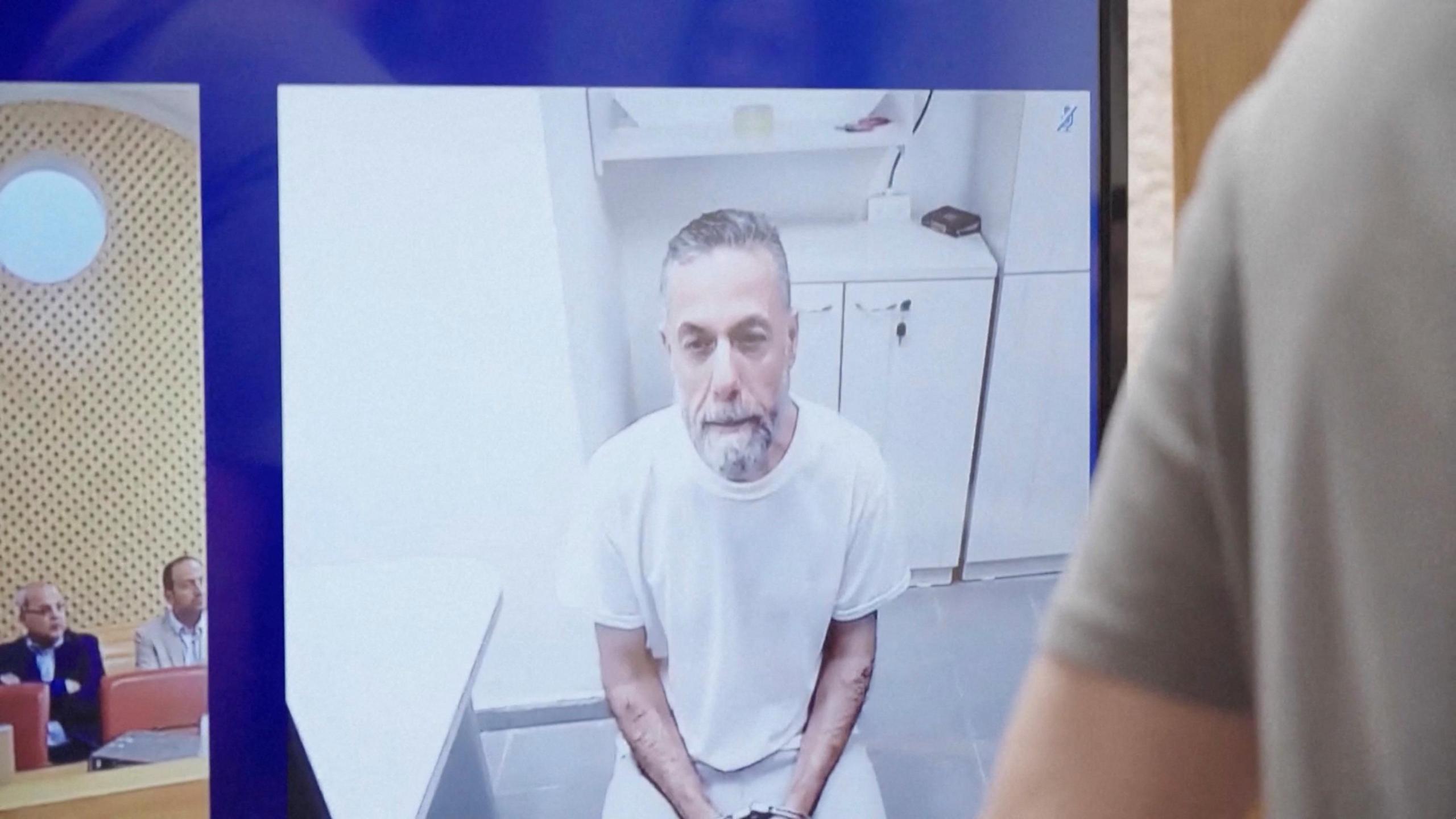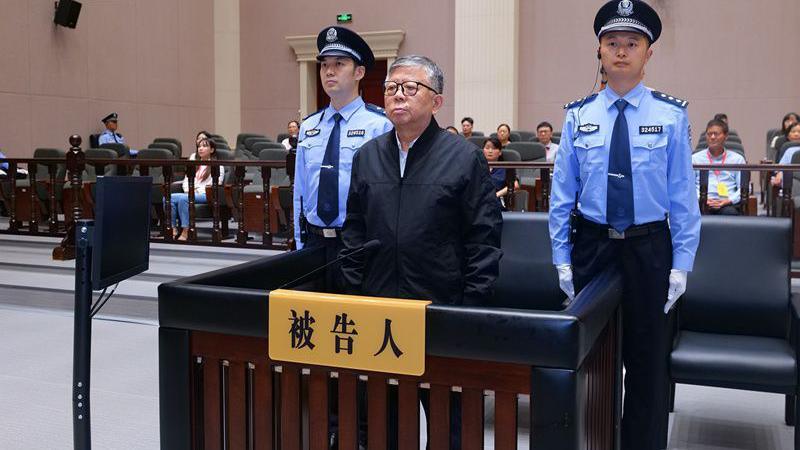
Egypt’s courts sentenced a TV icon to death this week. On 5 September, Sarah Khalifa – the 39‑year‑old host of the crime‑focused series "Mission Impossible" – and eleven other defendants were condemned to hang for alleged drug smuggling.
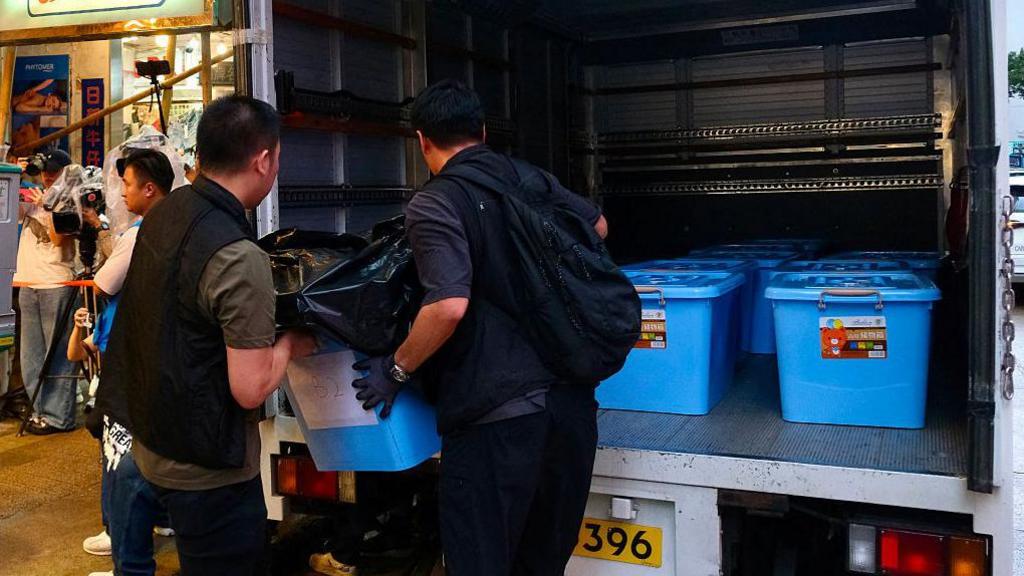
The prosecutor’s case relied on seized 750 kg of narcotics, raw drug‑making ingredients and evidence that the suspects possessed firearms and ammunition. Sources say the defendants were part of a criminal gang that imported the ingredients needed to produce and sell drugs.
The death sentences were first announced last month. They received confirmation only after the court obtained a religious opinion from Egypt’s grand mufti, a legal prerequisite for capital cases.
While nine of the defendants were sentenced to life imprisonment, seven were acquitted. Khalifa’s lawyer said she will appeal the judgment.
An Amnesty International report from 2025 noted that 492 death sentences were issued that year, with 23 executions carried out. The report warned that the defendants were convicted of drug trafficking and rape – "crimes that do not amount to 'intentional killing' to which the use of the death penalty should be restricted under international law".
Human‑rights groups have expressed concern that the sentencing does not align with international standards requiring the death penalty only for crimes involving intentional killing.
The case highlights a broader debate over Egypt’s use of capital punishment, which continues to attract international scrutiny and calls for judicial reforms.
For live updates and expert analysis, follow OnPoint’s coverage of the unfolding situation in Egypt.