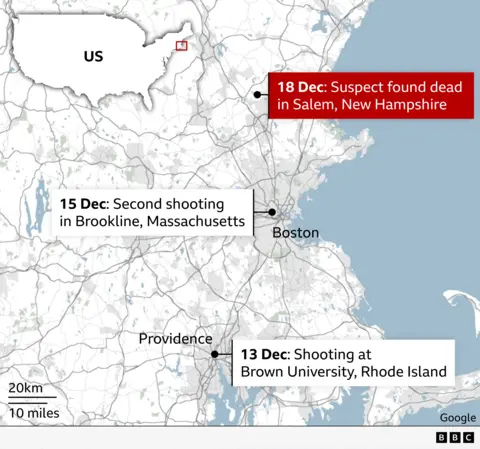
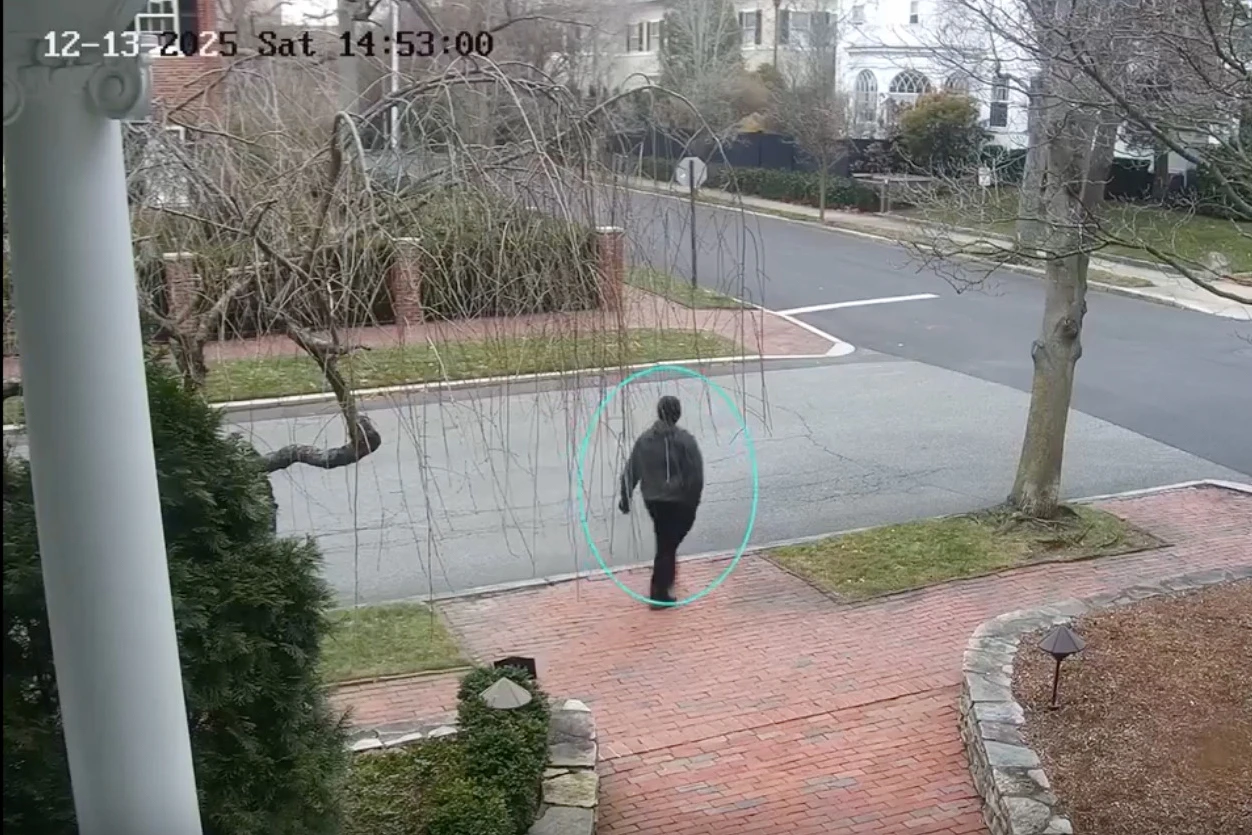
WASHINGTON — The Portuguese suspect in the Brown University and MIT shootings came to the United States through a little-known pathway called the diversity immigrant visa. This program allocates 50,000 green cards each year through a lottery to individuals from countries with lower immigration rates to the U.S.
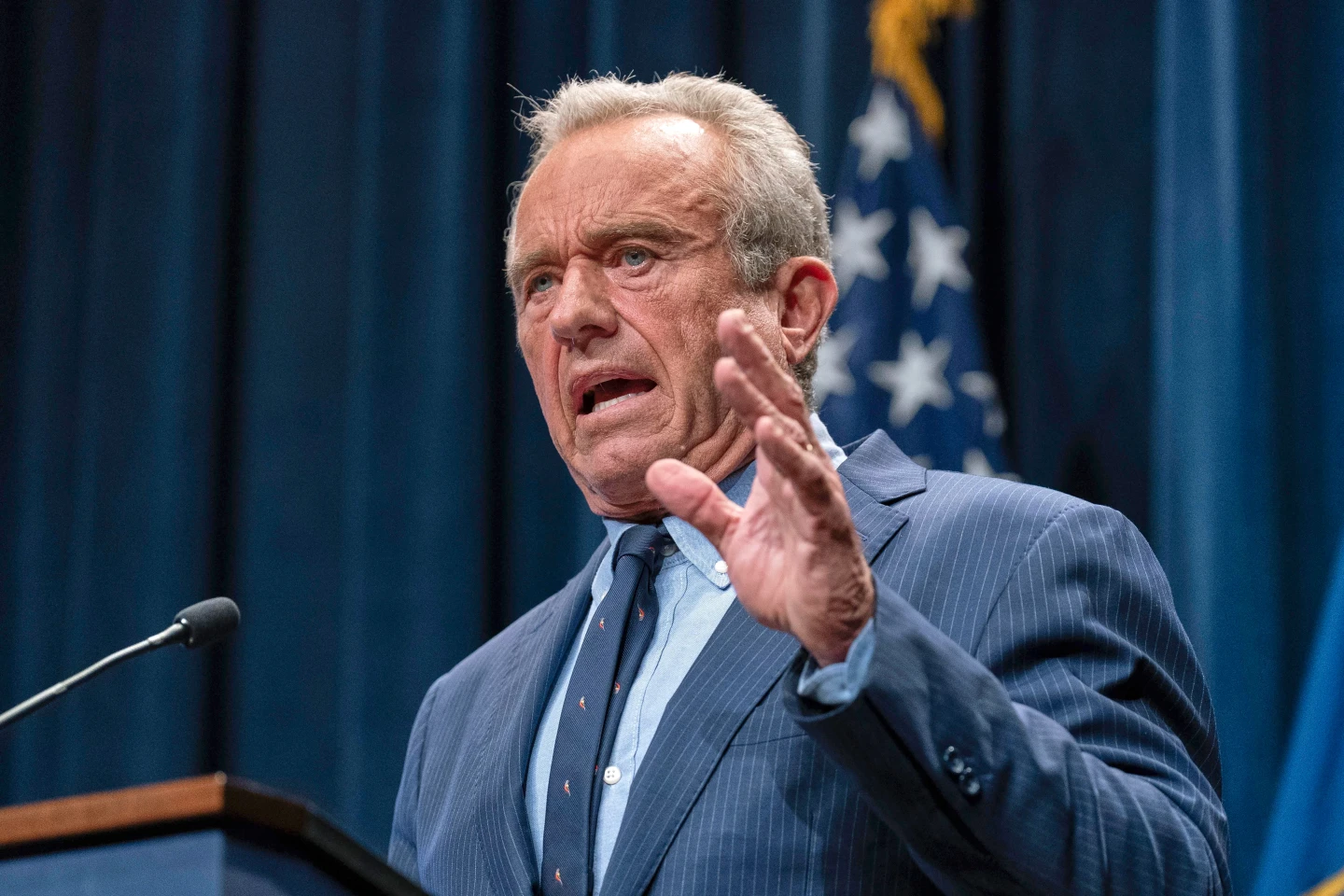
As the suspect's identity surfaced, Secretary of Homeland Security Kristi Noem announced on social media that she was pausing the diversity visa program, claiming it should never have allowed the shooter entry into the U.S. This action is part of the Trump administration's ongoing movement to tighten immigration laws after violent incidents.
Critics emphasize that immigrants pass rigorous screening before being allowed into the country, disputing claims about the inadequacies of the vetting process. The diversity visa was established by Congress in 1990 to assist those lacking family or employer sponsorship opportunities for permanent residency.
This year, the available visas were allocated as follows: 35,000 to Africa, 15,000 to Asia, and 8,500 to Europe. However, winning the lottery still necessitates passing government checks, making the process highly competitive with nearly 21 million applicants last year.
Experts informed that the program had already gained attention from the administration, with Joseph Edlow of the U.S. Citizenship and Immigration Services advocating for its elimination. Following the Brown shooting, officials cited the need to reassess the vetting standards of the program.
Historically, the administration has sought to limit immigration following violent occurrences, like the Afghan national attack on National Guard troops and the Boulder shooting, linking these events to the need for stricter immigration controls.
As discussions proceed, immigration advocates warn that the recent actions could unjustly target innocent individuals and discourage potential immigrants from seeking legal pathways to the U.S.