In brief
In the hot, dry Afar region of Ethiopia, camel herders report blisters, vomiting and the death of calves under extreme heat. Climate‑change research shows 40‑45°C temperatures can drain camels’ immune systems, reduce milk output and breed failures. Veterinary teams note a 15% jump in camel deaths over the past two years, while studies in Somalia reveal a 46% mortality rate for camel-owning households. Experts argue that persistent heat, loss of water and shade accelerate disease spread, forcing herders to relocate their flocks. These findings underscore the need for targeted water provisioning, shade structures and disease surveillance to protect this resilient yet now vulnerable livestock.
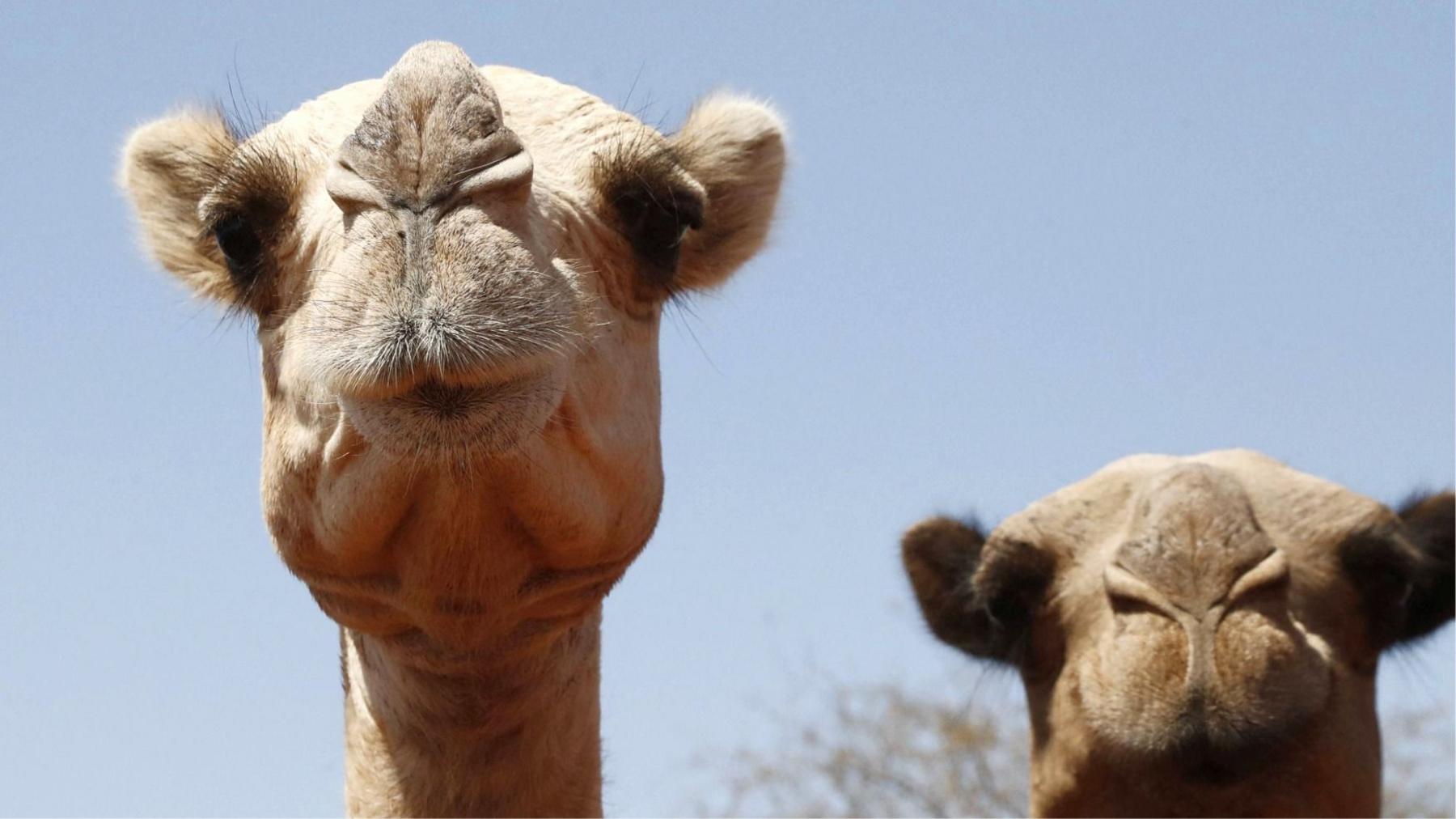
The camel, often dubbed the "ship of the desert", is an icon of resilience across the Horn of Africa and North Africa. Yet over the past decade, increasing temperatures have begun to push these hardy beasts beyond their thermal limits, threatening both the animals themselves and the people who depend on them.
Heat‑Induced Struggles in Ethiopia’s Afar Region
In the Afar region of north‑eastern Ethiopia, a 40‑year‑old herder, Ali Umer, reports that his 500‑strong camel herd is suffering from extreme heat. He says: "They get blisters on their feet, their eyes become watery and the hot sand burns their skin and eats up their hair when they sit. Within the last month I have lost eight camel calves because of the extreme heat." (source: her narrative). These symptoms are mirrored in veterinary observations across Marsabit county, Kenya, where a 15% rise in camel deaths has been recorded in the past two years.
“Within the last two years we have seen a more than 15% increase in camel deaths in our county due to extreme heat.” – Hassan Nuya Guyo, veterinary officer, Marsabit.
Scientists studying camel health note that temperatures climbing above 41‑45°C trigger cellular damage that weakens immune responses, leading to increased disease prevalence, reduced milk yield and reproductive disorders. In a broader survey published in 2025, camel herders in southern Ethiopia reported a decline in herd health and productivity linked directly to climate variability.
Somalia’s Dire Camel Mortality Crisis
A 2026 study involving nearly 6,000 pastoral households in Somalia found that nearly 46% of camel‑owning households suffered camel deaths during a drought‑driven heatwave. The northern region, Sool, suffered a “staggering mortality rate of nearly 73%.” Such losses severely affect communities that view camels as a lifeline.
North Africa: Rising Temperatures and Rising Stakes
In Algeria, a 2026 report linked summer heatwaves to increased camel mortalities, recommending strategic water provisioning, supplemental feeding, and enhanced disease monitoring during peak summer months. The World Meteorological Organization notes that temperatures above 50°C have become common since 1981, especially in the Sahara.
“In many parts of the Sahara, summer temperatures now frequently exceed 50C, increasing the risk of severe heat stress.” – Dr Mohammed Bengoumi, FAO scientist.
Camels normally cope with up to 40°C by allowing their body temperature to fluctuate, thereby limiting sweat and conserving water. However, sustained exposure to temperatures beyond this threshold forces the animals into metabolic shutdown, leading to lethargy, weight loss, and increased susceptibility to parasites and infections.
Human Response and Adaptation
The relentless heat has forced herders like Ali Umer to abandon traditionally viable northern grazing sites, relocating to southern regions where water and vegetation remain comparatively available. Beyond relocation, communities are calling for new interventions: shade structures for herds, enhanced veterinary outreach, and real‑time climate alerts. Oxfam reports that water prices in Somalia have surged by over 2,000% due to water scarcity.
While camels once stood as the desert’s enduring guardians, growing heatwaves now make them a climate victim, highlighting the urgent need for integrated adaptation strategies that preserve both animal welfare and the livelihoods that depend on them.