Arrest and Release of CJP Leaders Fuel Determination
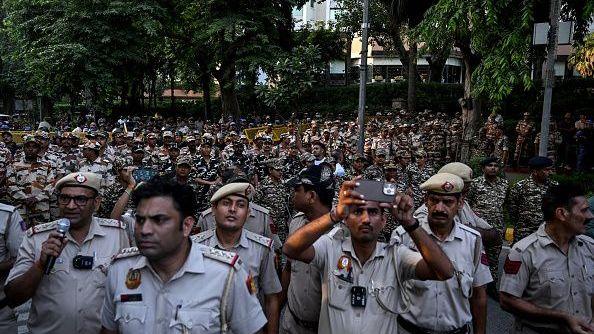
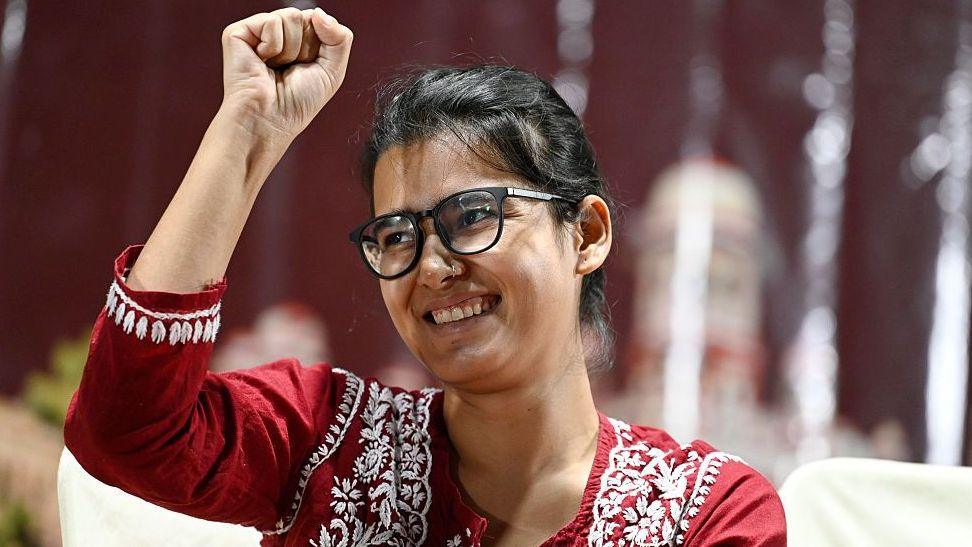
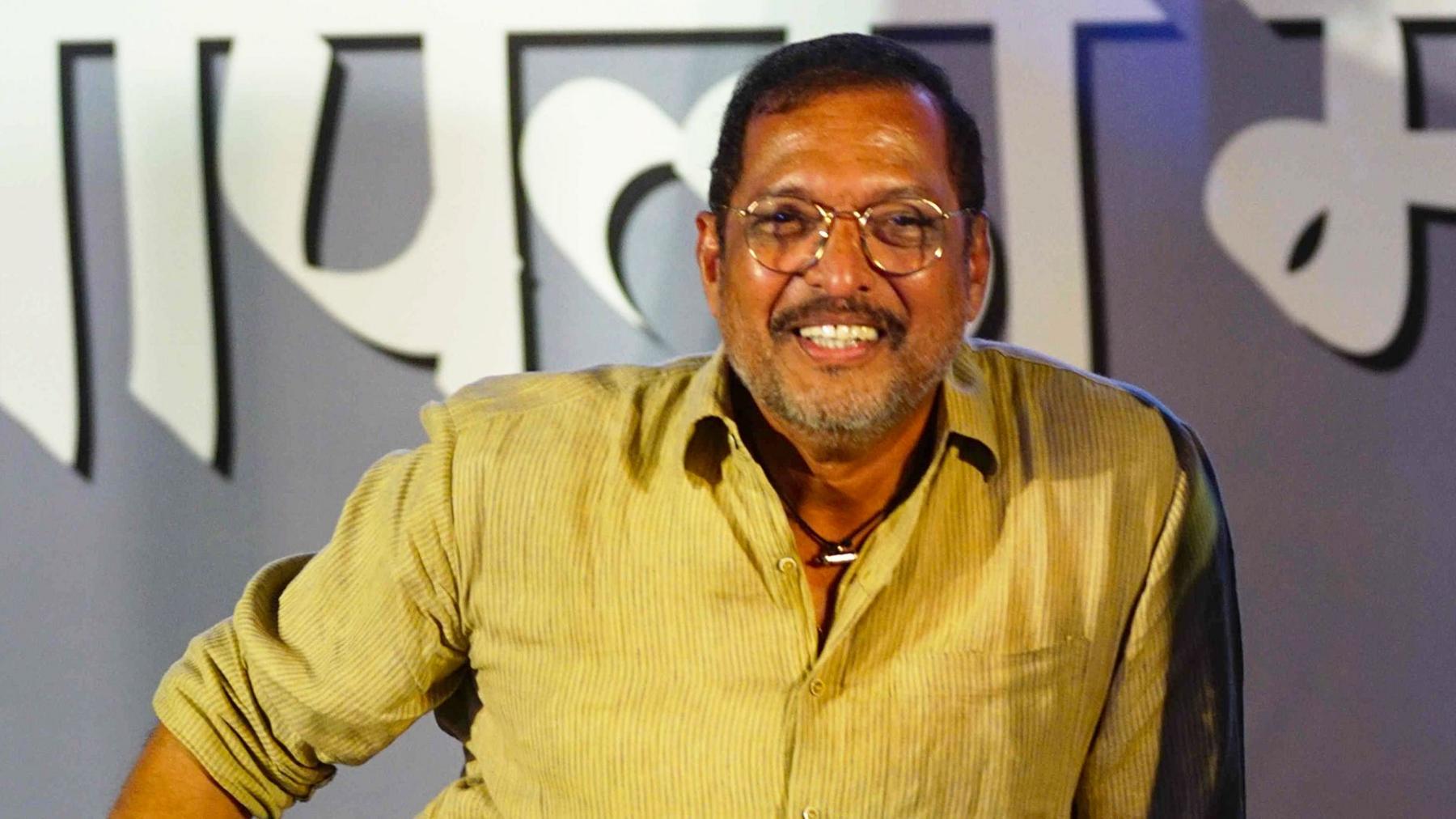
Delhi authorities stormed the airport on Saturday night to detain three leaders of the Cockroach Janta Party (CJP) as they flew in to rally at Jantar Mantar. The officers, backed by riot police, boarded their plane and took the men into custody. They were freed the following day under a court order that bars them from breaching peace for one year.
The leaders, including Abhijeet Dipke, Saurav Das and Ashutosh Ranka, responded by declaring that the movement would not be intimidated. The CJP, which formed after a Chief Justice’s remark about “cockroaches,” calls on the public to demand the resignation of Chief Election Commissioner Gyanesh Kumar.
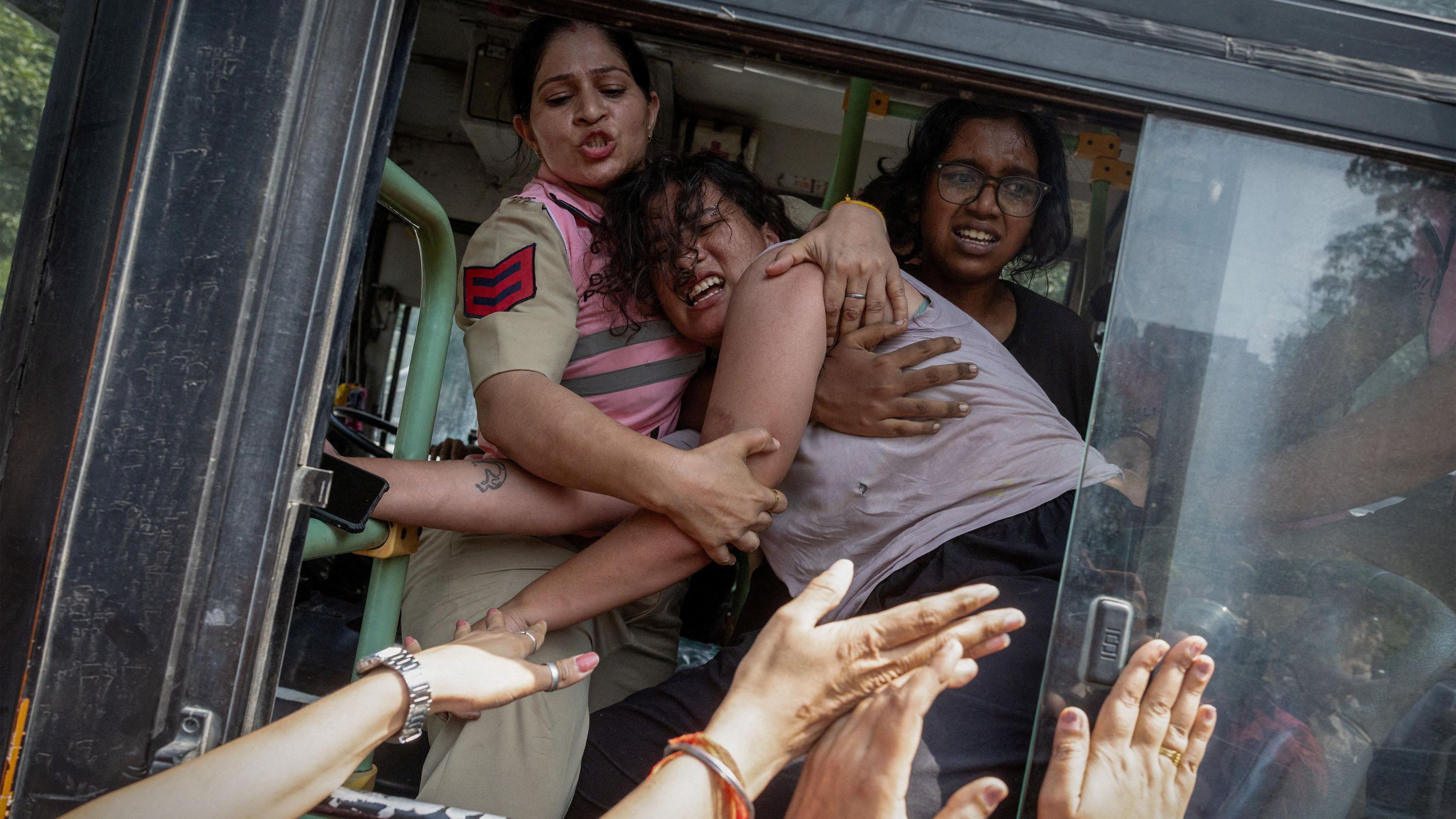
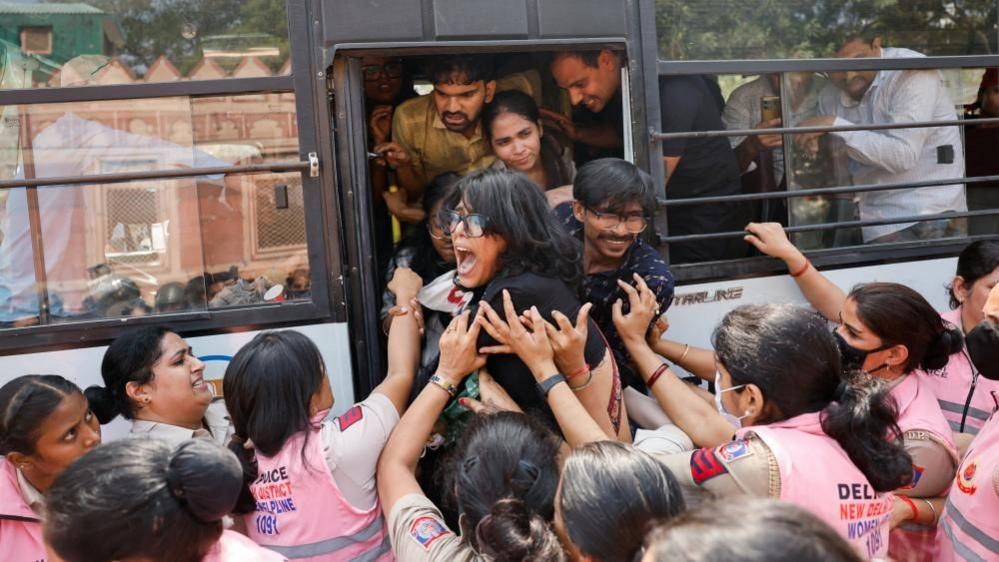
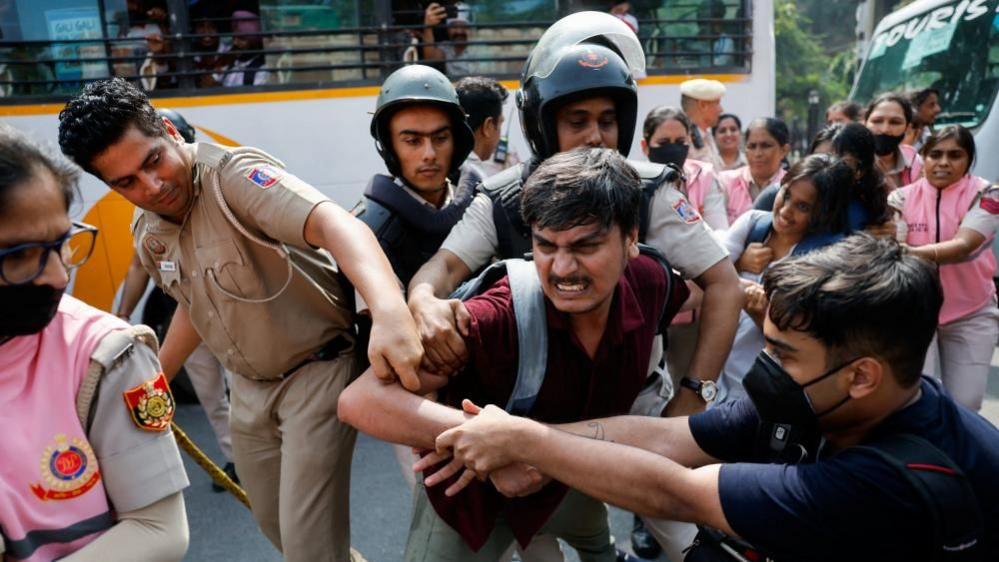
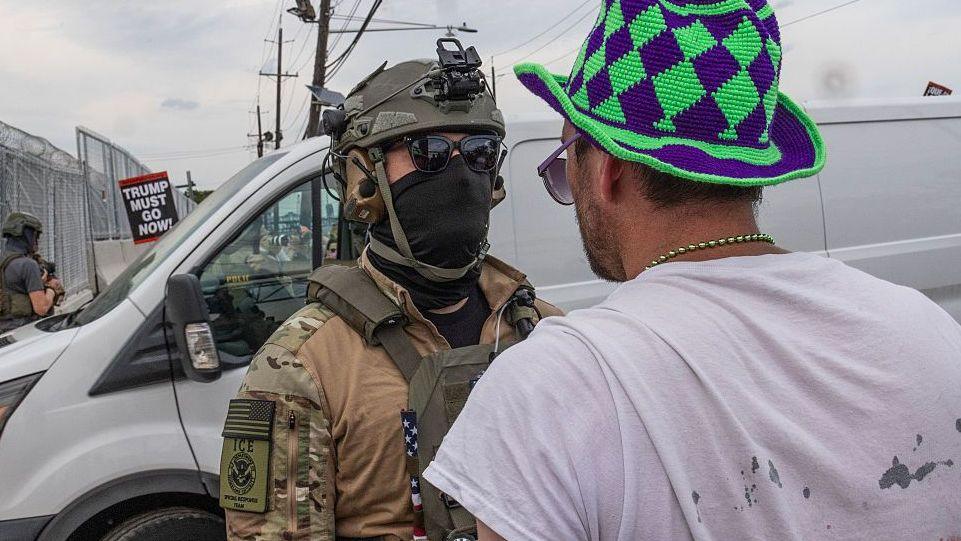
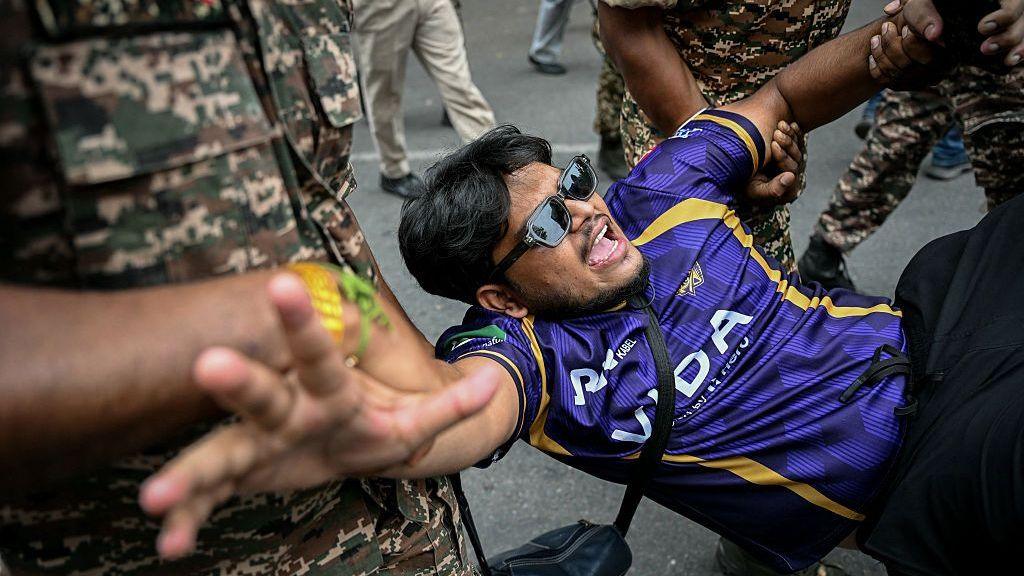
Police estimates that about 7,000 demonstrators were detained on Saturday, and hundreds were taken away on Sunday. Some were placed in buses before being driven out of the city. The protests have also seen large numbers of citizens arriving from out‑of‑city areas, many of whom were de‑boarded at major railway stations.
The CJP’s agenda focuses on electoral‑roll reforms, alleging that the “special intensive revision” process favours the ruling BJP. Elections officials deny any bias, and the Supreme Court has ordered the restoration of internet services and transport links after a special hearing.
The march began in summer over education‑reform demands and the resignation of education minister Dharmendra Pradhan. In July, that demand was met after the minister stepped down. Now the movement has shifted to a broader challenge to the election system, drawing the attention of Prime Minister Narendra Modi’s administration.
Despite the shutdown of metro lines, closure of malls and the curbs on media coverage, the CJP remains a vocal voice in Delhi. Members on the ground say that the absence of their top leaders has left some feeling uncertain, yet the pro‑constitutional right to protest keeps the numbers moving on Jantar Mantar.