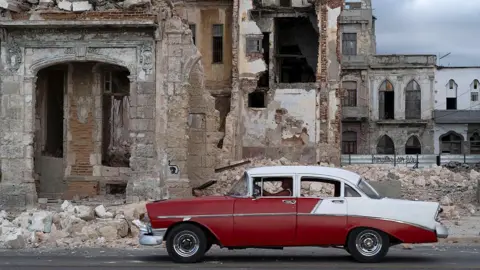
As Cuba endures a severe energy crisis and ongoing challenges, expectant mothers are increasingly anxious about the future of their children. The situation has intensified since the Trump administration imposed a near-total fuel blockade on the island, leading to continuous power outages that heighten the stress of giving birth.
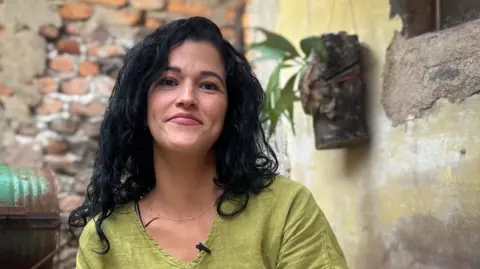
Mauren Echevarría Peña, 26, is due to deliver her first child imminently under these harrowing conditions. Despite her complicated pregnancy marked by gestational diabetes and chronic hypertension, she expresses gratitude for the care she's received at a Havana maternity hospital. Yet, the prospect of giving birth during a blackout is a source of great distress for her.
With the national electrical grid collapsing repeatedly, expectant mothers like Mauren fear for their health and that of their babies. Over 32,000 pregnant women are currently in Cuba, with many lacking the state support that Mauren has received.
Indira Martínez, further along in her pregnancy, shares similar fears regarding her ability to provide for her newborn under the current conditions. She's witnessing the difficulties of cooking and maintaining a nutritious diet due to the constant lack of power, expressing concerns about her child's future in a country suffering from a stagnant economy and declining opportunities.
Despite anecdotal evidence of humanitarian aid delivery intended for mothers, many families have not benefited from these resources. The mounting uncertainty prompts both women to feel a sense of resignation about their children's prospects in a nation historically celebrated for its educational achievements but now struggling significantly.
As the island's situation continues to deteriorate, the burdens on new mothers underscore a profound crisis that extends beyond childbirth, leaving the future of the coming generation in jeopardy.
Mauren Echevarría Peña, 26, is due to deliver her first child imminently under these harrowing conditions. Despite her complicated pregnancy marked by gestational diabetes and chronic hypertension, she expresses gratitude for the care she's received at a Havana maternity hospital. Yet, the prospect of giving birth during a blackout is a source of great distress for her.
With the national electrical grid collapsing repeatedly, expectant mothers like Mauren fear for their health and that of their babies. Over 32,000 pregnant women are currently in Cuba, with many lacking the state support that Mauren has received.
Indira Martínez, further along in her pregnancy, shares similar fears regarding her ability to provide for her newborn under the current conditions. She's witnessing the difficulties of cooking and maintaining a nutritious diet due to the constant lack of power, expressing concerns about her child's future in a country suffering from a stagnant economy and declining opportunities.
Despite anecdotal evidence of humanitarian aid delivery intended for mothers, many families have not benefited from these resources. The mounting uncertainty prompts both women to feel a sense of resignation about their children's prospects in a nation historically celebrated for its educational achievements but now struggling significantly.
As the island's situation continues to deteriorate, the burdens on new mothers underscore a profound crisis that extends beyond childbirth, leaving the future of the coming generation in jeopardy.