Cornell Bans Fraternity Parties After Sexual Assault Allegations
Cornell University has announced a blanket ban on all parties at fraternity houses for the remainder of the academic year following a lawsuit filed by a woman known as Jane Doe. The plaintiff claims she was drug‑tortured and raped by several men at a party in 2024.
President Michael Kotlikoff expressed deep regret, saying, “I am deeply sorry for the harm Jane Doe suffered and appalled that this act of sexual violence occurred within our community.” He pledged that any student violating the new policy will face suspension.
The university also committed to expanding Title IX support services, adding dedicated staff for reporting and navigating survivor care, and partnering with New York State Police trauma‑informed officers to conduct investigations.
Critics argue the response is too late. D.A. Matthew Van Houten disclosed that only a six‑page statement and a handful of Snapchat messages were submitted to the office, while the school’s investigation files were largely withheld from investigators. Governor Kathy Hochul has appointed Attorney General Letitia James to probe the matter.
A lawyer for Jane Doe stated the lawsuit aims to improve Cornell’s handling of abuse claims. “These steps are helpful but overdue,” said Thomas Giuffra.
The ban reflects escalating student concern over campus safety. Agnes, a junior, said, “It is clear that women on our campus continue to question whether they are safe.”
Broader Context
Fraternities have long been criticized for binge‑drinking, hazing and risky behavior. The current scandal fuels calls for re‑examining fraternity culture nationwide and advancing reforms that promote responsible sexual citizenship.
The university’s website indicates a review by national sexual‑violence prevention experts will guide future policy changes, with a stated goal of “systematic change” on campus.

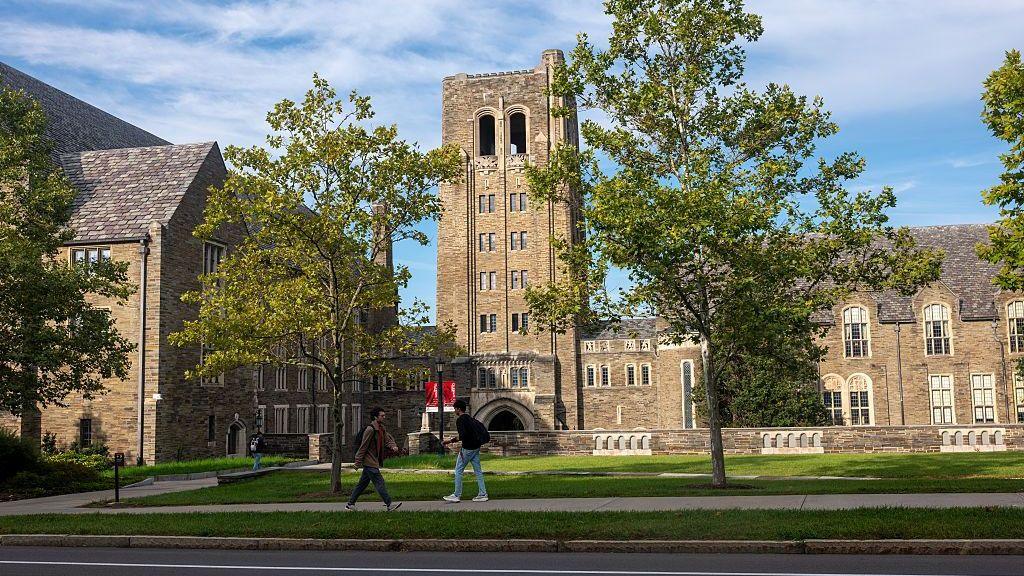
Students walk toward the Cornell campus, underscoring the campus‑wide impact of the ban.