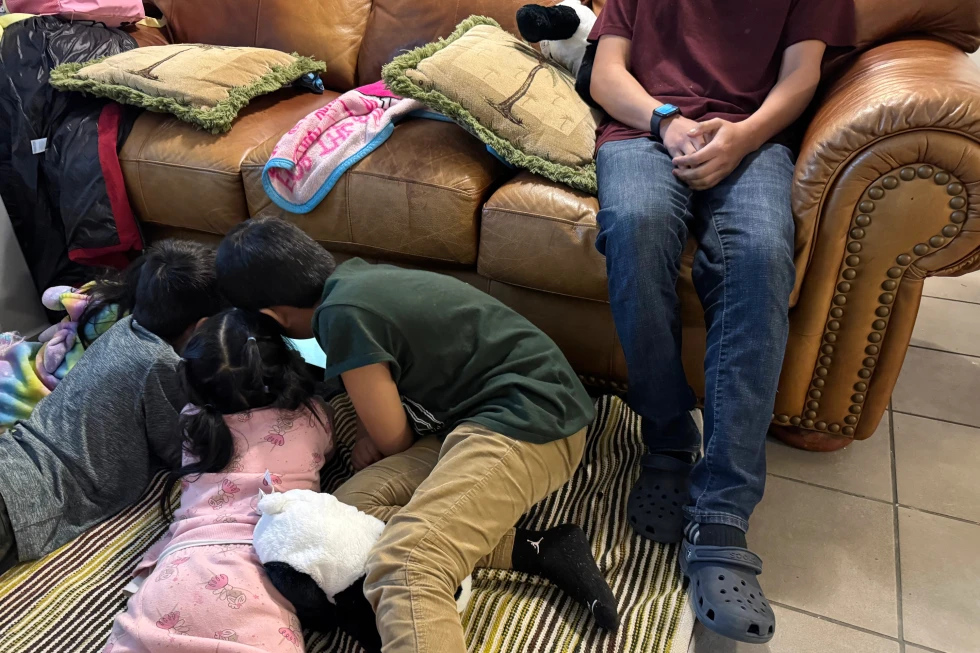
When federal immigration agents pounded on the door of his Minneapolis home, the eldest son in a family of 10 took swift action to safeguard his siblings. Following the detention of their mother, an Indigenous Ecuadorian office cleaner, the children feared they would be next. With a 5-month-old brother and six other children under 16 at stake, immediate action was necessary.
“The immigration agents knocked on our door very late at night,” explained the 20-year-old son, who spoke on condition of anonymity. “I was afraid for myself and my siblings. I didn't want them to end up in the hands of the government.” That’s when they reached out to Feliza Martinez, a church friend, who organized a group of volunteers to relocate the family to a safer home in south Minneapolis.
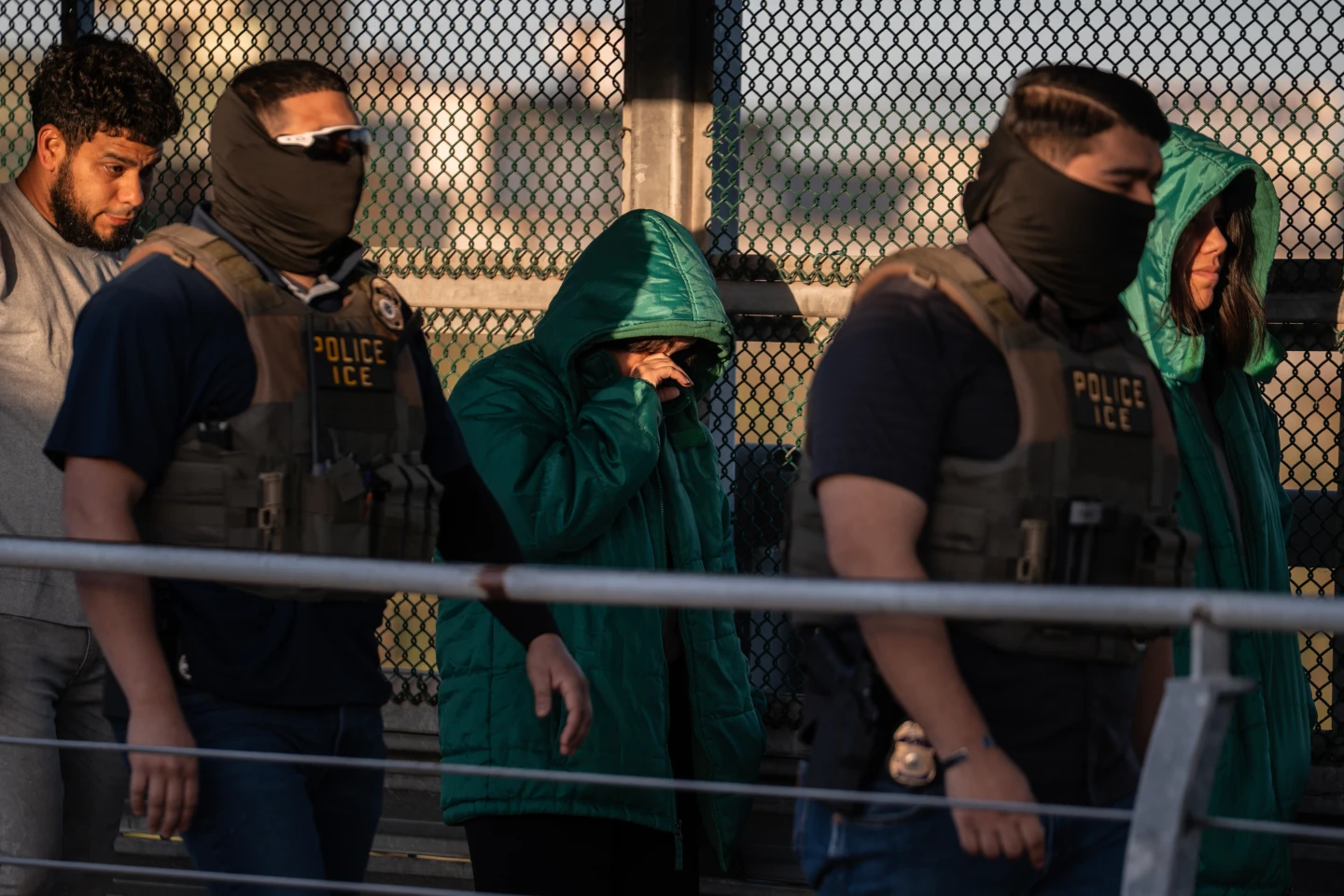
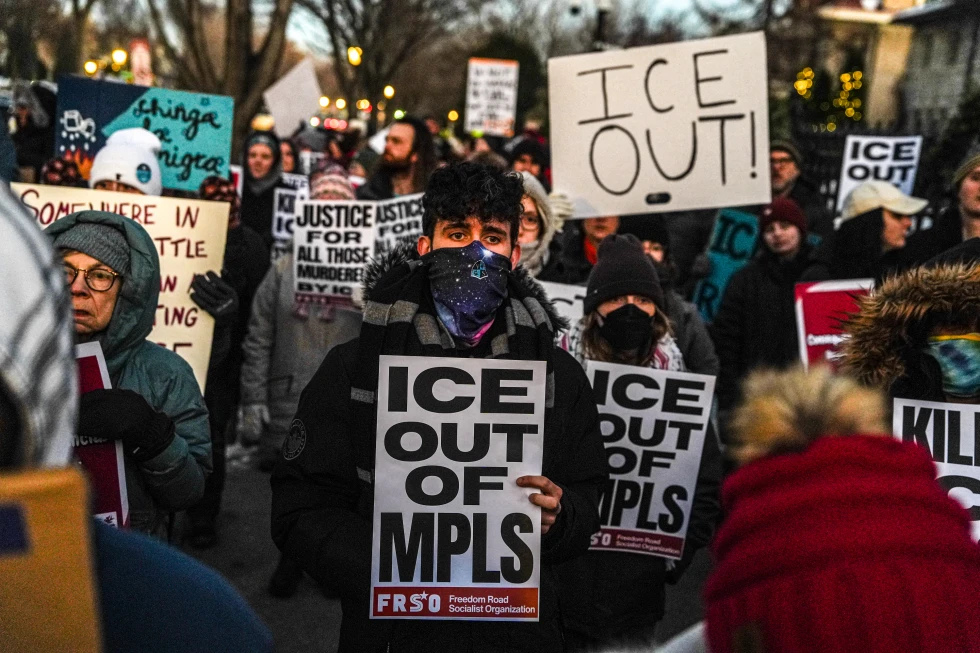
Martinez has become a face of the growing grassroots movement in the Twin Cities, where everyday residents are inspired to help immigrant families impacted by the government's tough enforcement tactics. Stories have emerged of agents breaking down doors without warrants and of families being separated, prompting outrage and community action.
As reports indicate over 3,000 arrests across the country since December, many in the Minneapolis area are mobilizing to respond to this issue, providing not just physical shelter but also food, emotional support, and emergency child care for families caught in despair. Groups like Source MN are stepping up to ensure that immigrant families facing uncertainty can receive assistance, from meal deliveries to regular check-ins.
“Families are terrified, and we’re just trying to help as much as we can,” said Martinez, who has repurposed her time to volunteer for Source MN. “I try to bring hope.”
Finding Shelter
Snow blanketed the streets as the Wampash Tuntuam family made their way to the safe house. A swarm of volunteers arrived, carrying snacks, baby supplies, and furnishings to make the environment feel welcoming for the children. Although the younger siblings quickly adapted, the older children expressed worry about their uncertain future and the risks they face.
Their mother had been arrested while attempting to work, and the children shared their fears of her possible deportation and the impact on their lives. Having given her address to immigration agents, they recounted how armed officers descended upon their home, intensifying their sense of dread.
Despite the challenges they face, volunteers and community members represent a critical source of support for the families. They work tirelessly to dismantle the climate of fear, providing what little comfort they can in an increasingly unstable situation.
As the family navigates the challenges of life without their mother, the community’s support offers a glimmer of hope. The eldest son reflects on the beauty of Minneapolis that he once admired, a stark contrast to the fear brought by the surge of federal agents. But amid the uncertainty, he recognizes the goodness in the people around him who are willing to stand in solidarity with his family.
“I keep telling them that she is going to come back,” he said to his younger siblings, seeking to assuage their worries. “That she is already on her way.”