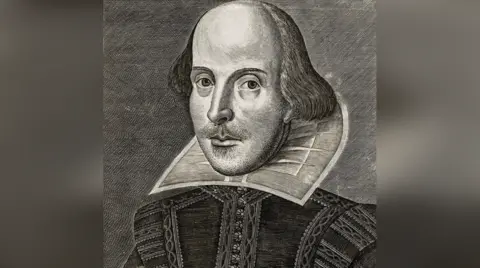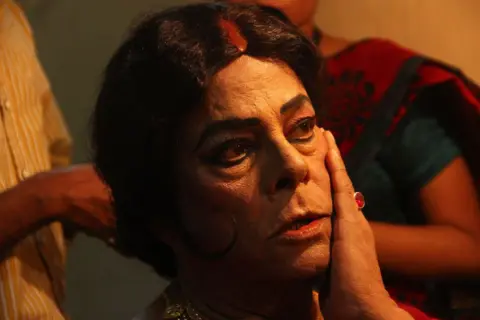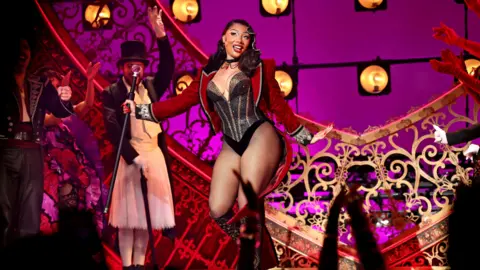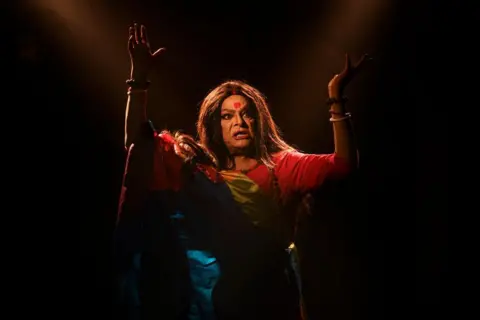
In mid-20th Century Bengal, some of the biggest female stars on stage were actually men. Foremost among them was Chapal Bhaduri, better known as Chapal Rani, who became the reigning 'queen' of jatra, a travelling theatre tradition that once captured large, fervent crowds. This auditory spectacle, composed of music, myth, and melodrama, showcased male actors portraying female roles—a generational trope not only found in Bengal but also across global theatre scenes.
A new book, 'Chapal Rani: The Last Queen of Bengal', by writer Sandip Roy, chronicles Bhaduri's rise to fame and his descent into obscurity while exploring a world where gender often became an act. Within the vibrant tapestry of jatra, performances pivoted around epic storytelling, creating immersive experiences that attracted audiences rivaling cinema.
Despite the rich history of male performers as purush ranis (male queens), societal stigmas lingered, particularly as the urban elites of colonial Calcutta dismissed jatra. Bhaduri, who began his theatrical journey at just 16 in a household steeped in acting, became a transformative figure on stage, portraying queens, goddesses, and courtesans with grace and conviction.
His performances were characterized by authenticity, often depicting emotional depth absent in many such acts of the time. Roy hints that as the space for female impersonators diminished and women began garnering roles traditionally played by men, Bhaduri faced challenges. Late-stage performances met rejection, and the wane of jatra thrust many former stars, including Bhaduri, into financial struggles.
Despite his contributions, Chapal Bhaduri's life became obscured, languishing at the margins of a culture he had shaped. However, he later found brief recognition through films and exhibitions, inviting a new generation of admiration that celebrated him not just as an entertainer but as a nuanced figure in LGBTQ+ history. This complex portrayal confronts modern questions about memory and the legacies of performers, urging a re-evaluation of historical narratives in light of contemporary conversations around gender and identity.
A new book, 'Chapal Rani: The Last Queen of Bengal', by writer Sandip Roy, chronicles Bhaduri's rise to fame and his descent into obscurity while exploring a world where gender often became an act. Within the vibrant tapestry of jatra, performances pivoted around epic storytelling, creating immersive experiences that attracted audiences rivaling cinema.
Despite the rich history of male performers as purush ranis (male queens), societal stigmas lingered, particularly as the urban elites of colonial Calcutta dismissed jatra. Bhaduri, who began his theatrical journey at just 16 in a household steeped in acting, became a transformative figure on stage, portraying queens, goddesses, and courtesans with grace and conviction.
His performances were characterized by authenticity, often depicting emotional depth absent in many such acts of the time. Roy hints that as the space for female impersonators diminished and women began garnering roles traditionally played by men, Bhaduri faced challenges. Late-stage performances met rejection, and the wane of jatra thrust many former stars, including Bhaduri, into financial struggles.
Despite his contributions, Chapal Bhaduri's life became obscured, languishing at the margins of a culture he had shaped. However, he later found brief recognition through films and exhibitions, inviting a new generation of admiration that celebrated him not just as an entertainer but as a nuanced figure in LGBTQ+ history. This complex portrayal confronts modern questions about memory and the legacies of performers, urging a re-evaluation of historical narratives in light of contemporary conversations around gender and identity.