Caracas – December 24, 2026 – In a tragic turn of events, the Venezuelan capital experienced two severe earthquakes within seconds, registering magnitudes of 7.5 and 7.2 on the Richter scale. The tremors rattled homes, offices and the iconic Palos Grandes district, causing extensive damage and shaking the heart of a nation.
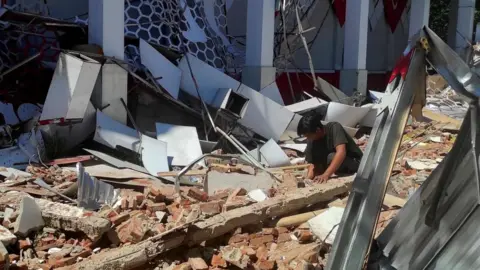
Journalist Nicole Kolster was in her apartment on the seventh floor when the first quake struck. “I saw windows shudder and the building tremble – my instinct was to go between the front door and a stone wall to protect myself,” she told the BBC. Kolster’s photo, captured amid debris, has become a startling symbol of the chaos.
The two blasts hit mere seconds apart. Within the city, residents evacuated to open streets, their footsteps echoing the frantic pace of aftershock warnings. A week later, an hour after the first quake, many who remained inside were still on the street, waiting for aspects that could signal a new tremor.
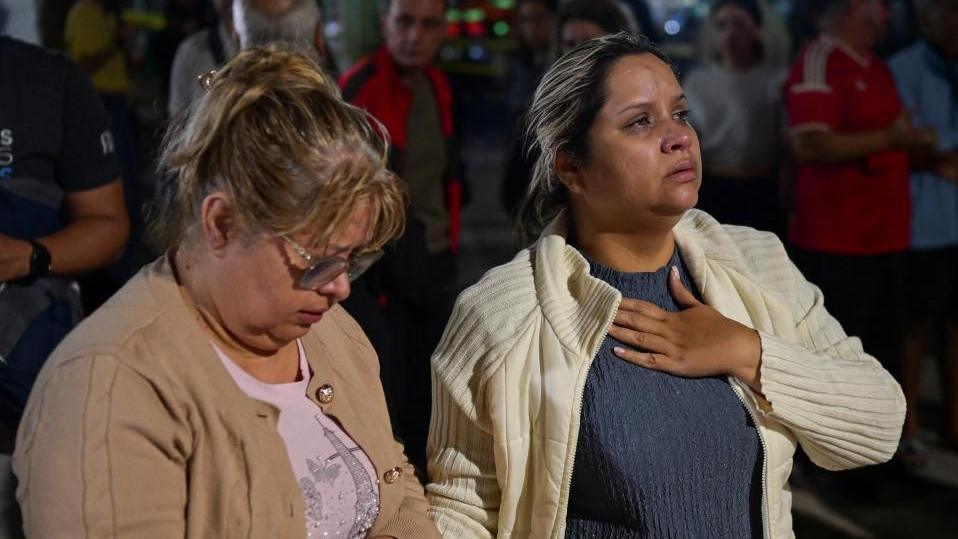
Residents of Palos Grandes – a district heavily impacted by the 1967 earthquake – report shattered walls, fallen utilities and a lack of electricity and communication. “The walls cracked; there were no lights or cellphone signals,” said Maria Elise. “We are struggling to find pets or even bring out cars from damp basements.”
Lived experiences echo a deeper panic: in 1967 a 6.6‑m quake killed over 200 people and severed the same area. Older residents such as Coro Martinez compare the intensity: “This is more violent; I saw jars tumble from the fridge,” Martinez recalls. Her neighbour, 80‑year‑old Maria Romero, described it as “worse than 1967.”
The earthquakes occurred on Venezuela’s Independence Day, a national holiday commemorating Simón Bolivar’s triumph over Spanish rule. On that day, many households were at home when the quake hit, increasing the potential for casualties.
Broken streets reflect the scale: collapsed buildings, shattered crossroads and smoking utility poles mark the devastation. A video that follows the re‑emerging earthquake casts a grim picture of a city left in shock.
Rescue teams are actively searching for survivors, though the total number of casualties remains uncertain. Meanwhile, authorities report the situation as “under control” but the fear of aftershocks and potential new damage lingers.
Residents and first responders face a grim reality: many have lost homes, some lost lives, and the infrastructure is breaking apart. The city’s resilience and communal solidarity become a focal point as Venezuelans continue to grapple with the aftereffects and the looming threat of further tremors.