In brief
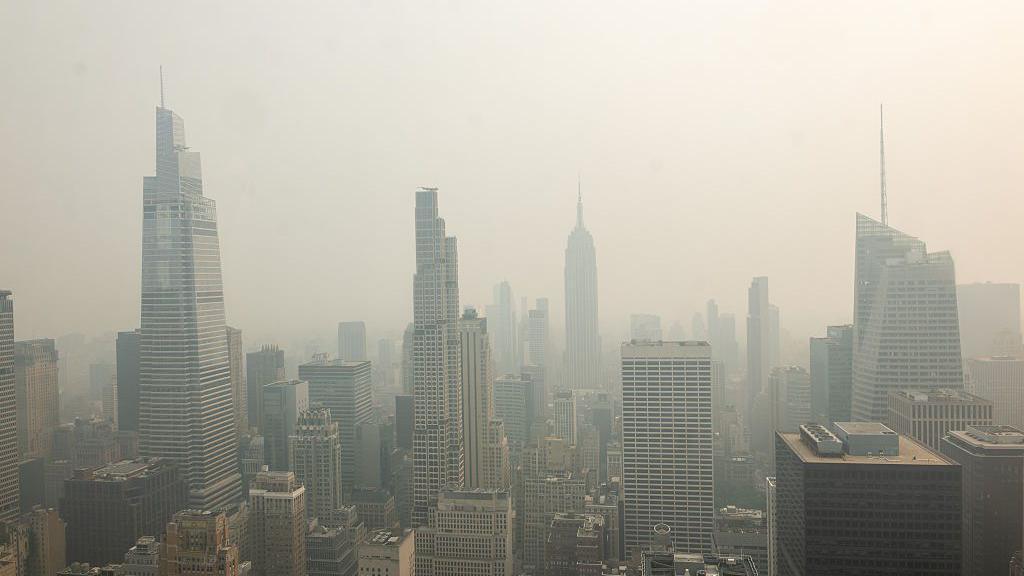
Wildfires across Canada have turned into a transborder crisis, with more than 800 blazes spewing smoke that has wrapped skylines from Toronto to New York and upstate New York. The U.S. has issued hazardous air quality alerts in cities such as Detroit, Chicago, Minneapolis and New England, cancelling outdoor events and urging residents to stay indoors. In northern Ontario, First Nations communities have been evacuated after their homes were destroyed by the fires. Political pressure is mounting on Canadian authorities to better manage the wildfire season, with U.S. lawmakers and the Canadian government exchanging letters and statements on the shared challenge of climate‑driven fires. The situation underscores the growing intensity of wildfires tied to higher temperatures and drier conditions, demanding coordinated cross‑border response efforts.
The Canadian wild‑fire season has erupted into a transborder threat, with more than 800 fires churning across Canada and spewing smoke that has wrapped the skylines of Toronto, New York, Detroit, Chicago, Minneapolis and even the Great Lakes region. As a result, U.S. authorities have declared the air hiking into hazardous levels in several cities, leading to large‑scale cancellations of outdoor events and prompting officials to recommend that residents stay indoors.
In northern Ontario, First Nations communities were forced to evacuate, with a chief describing the community as “burnt to ashes” as aerial footage exposed complete loss of homes. The Canadian government claims that over 150 fire crews are fighting on the ground, but many U.S. lawmakers are pressing for stronger cross‑border support and better wildfire management frameworks.
The Canada‑US dialogue highlights the increasingly frequent and intense fuelled by climate‑driven drier conditions. As the Wildfire emergency spreads across province borders, the public health toll—ranging from hazardous air quality alerts to evacuations—reminds us that climate change is amplifying threats that no single country can face alone.