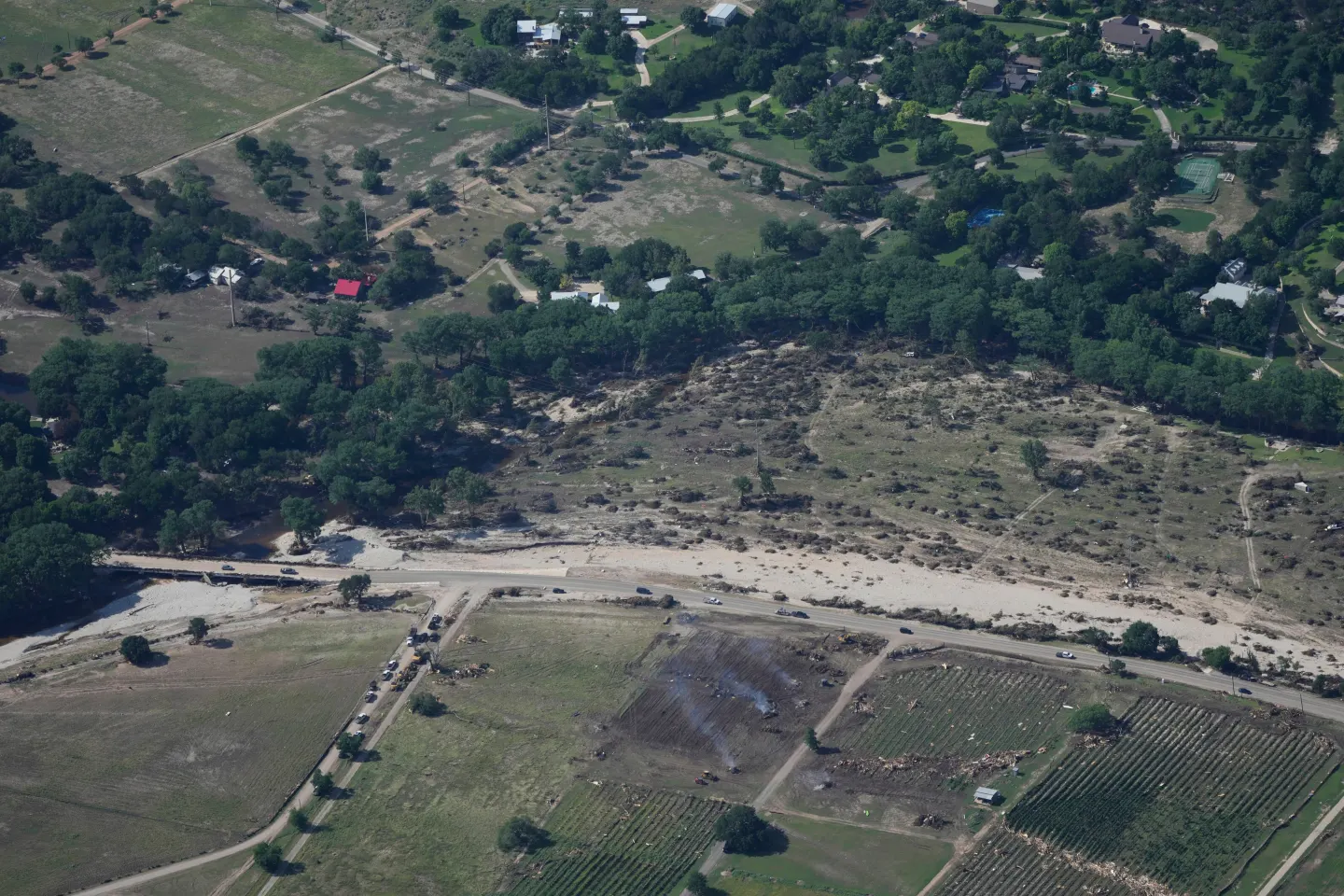
Patrick Hotze's three daughters returned safely from Camp Mystic, which was engulfed by disastrous floods in July, resulting in 25 fatalities among campers and two counselors. Hotze, attending various funerals, is aware of the palpable anger regarding the camp’s decision to partially reopen next year, although he still plans to send his daughters back.
“My heart is broken for those families,” he reflected, emphasizing the diverse reactions among parents whose daughters survived. The historic Christian camp, known for its picturesque setting, intends to resume operations next May with plans to accommodate campers on higher ground in response to the flood that devastated the lower areas.
The floodwaters surged alarmingly over the July Fourth weekend, claiming at least 117 lives in Kerr County alone, with two victims, including an 8-year-old camper, still missing.
Commitment to Enhanced Safety
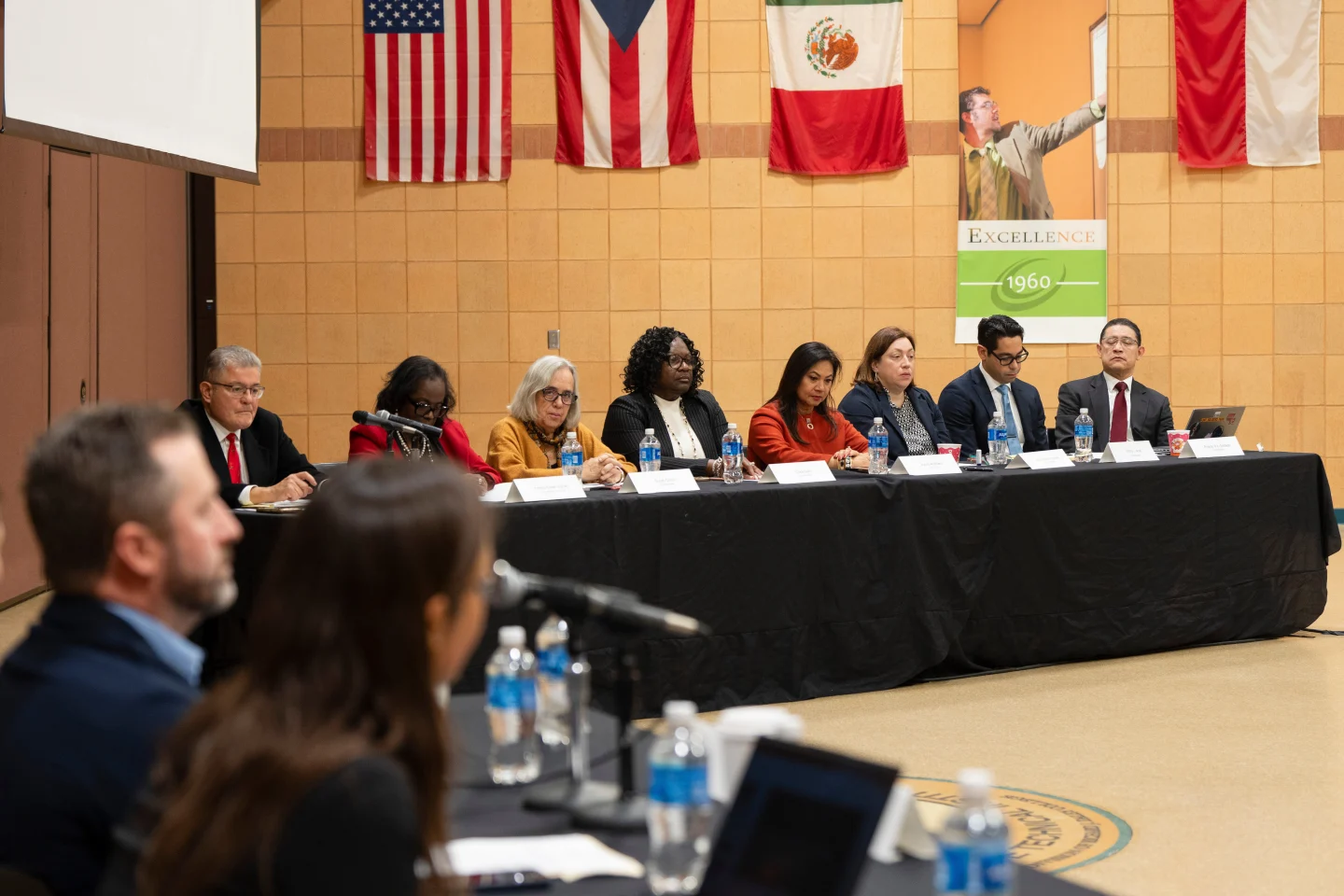
Looking ahead, Texas legislators will hold hearings into the flood's aftermath but have shown reluctance to place blame on local officials, many of whom defended their actions during the crisis. Community leaders are now advocating for improved flood warning systems to enhance safety for returning campers.
In a letter to families, the camp’s management acknowledged that returning to Camp Mystic represents both "hope and heartache." With signups set to commence in January, a spokesperson indicated there is promising interest in the return. Tragically, the camp's owner, Dick Eastland, perished in the flood. His family has pledged to prioritize safety upgrades, such as improved communication systems and flood monitoring technologies.
While some parents view the reopening as a pathway to recovery, expressing appreciation for Camp Mystic's role in their children’s spiritual growth, others vehemently oppose it, deeming it insensitive given the recent tragedies. Lawsuits from the families of victims allege negligence on the camp's part, particularly regarding the directive given to campers during the flood.
The outcry includes parents who are intensely concerned over lingering communication failures highlighted in the chaos during the flood. John Ball, a father whose daughter was at the camp, shares his doubts about sending her back, emphasizing the need to evaluate how the camp addresses safety concerns.
Despite the painful memories, some parents, like Liberty Lindley who lost her daughter during the flooding, choose to let their surviving children return, citing their positive experiences at Camp Mystic as a significant part of their lives. The duality of acceptance and outrage continues as the camp prepares to navigate the challenging waters of reopening.