SANTA FE, N.M. (AP) — The Trump administration is adding another militarized zone to the southern U.S. border to support border security operations — this time in California.
The Department of Interior on Wednesday said it would transfer jurisdiction along most of California’s international border with Mexico to the Navy to reinforce “the historic role public lands have played in safeguarding national sovereignty.”
The newly designated militarized zone extends nearly from the Arizona state line to the Otay Mountain Wilderness, traversing the Imperial Valley and border communities including Tecate.
Since April, large swaths of the border have been designated militarized zones, empowering U.S. troops to apprehend immigrants and others accused of trespassing on military bases, and authorizing additional criminal charges that can lead to prison time. More than 7,000 troops have been deployed to the border, along with helicopters, drones, and surveillance equipment.
The military strategy was first implemented in April along a 170-mile stretch of the border in New Mexico and later expanded to portions of Texas and Arizona.
The Interior Department described the newest national defense area in California as a high-traffic zone for unlawful crossings by immigrants. However, Border Patrol arrests along the southern U.S. border this year have fallen to their slowest pace since the 1960s, amid President Trump’s push for mass deportations.
“By working with the Navy to close long-standing security gaps, we are strengthening national defense, protecting our public lands from unlawful use, and advancing the President’s agenda,” Interior Secretary Doug Burgum said in a news release.
Legal experts argue that this military involvement could flout existing bans on law enforcement by the military on U.S. soil, introducing a potentially politicized element to military operations aimed at deterring migrant crossings.
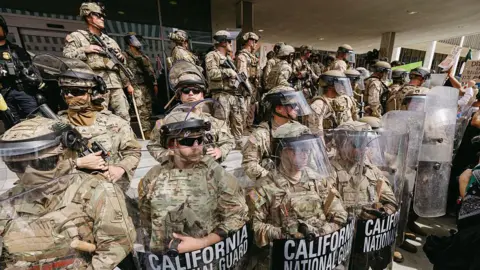
The announcement of the new militarized zone comes as a federal judge ordered the Trump administration to cease deploying the California National Guard in Los Angeles, returning control of those troops to the state.