In brief
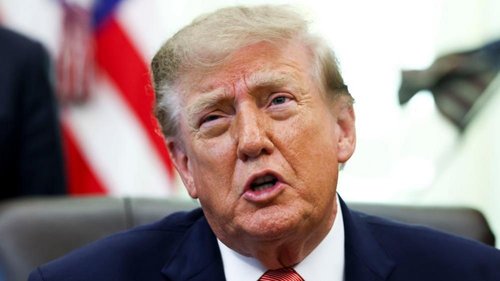
The recent debate in Montreal among Canada's political leaders revealed significant challenges posed by President Trump's policies, particularly his economic threats and reckless comments about annexation.
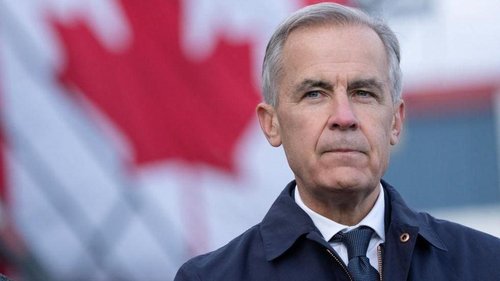
In the two-hour discussion, Prime Minister Mark Carney, who took the helm of the Liberal Party, found himself under scrutiny from his opponents, including Pierre Poilievre of the Conservative Party, whose once-promising lead has dwindled amid changing political dynamics. Jagmeet Singh and Yves-François Blanchet also contributed to the discussions, emphasizing concerns over U.S.-Canada relations. Here are the pivotal moments from the debate:1. **Lack of Concrete Strategies**: While all candidates acknowledged the urgency of addressing Trump's policies, none provided specific solutions on how to navigate these complex geopolitical waters effectively.2. **Crisis Recognition**: Leaders openly identified the threats—economic tariffs and controversial political maneuvers—yet failed to articulate any actionable response beyond general negotiations.3. **Carney's Political Role**: Mark Carney's recent entrance into politics has shifted the competitive landscape, with the Liberal Party gaining momentum and emerging cautiously ahead in the polls.4. **Diverse Political Voices**: The debate featured representatives from different political ideologies, reflecting Canada's multifaceted political fabric and the impact of regional concerns, particularly from Quebec.5. **Focus on Canadian Sovereignty**: Throughout the debate, there was a consistent emphasis on asserting Canadian sovereignty, though specifics on how to counter U.S. threats remained notably vague.As the federal election looms on April 28, candidates face the daunting task of presenting a unified front against external pressures while solidifying their domestic platforms.