CJP protest: The youth movement India's Modi didn't see coming
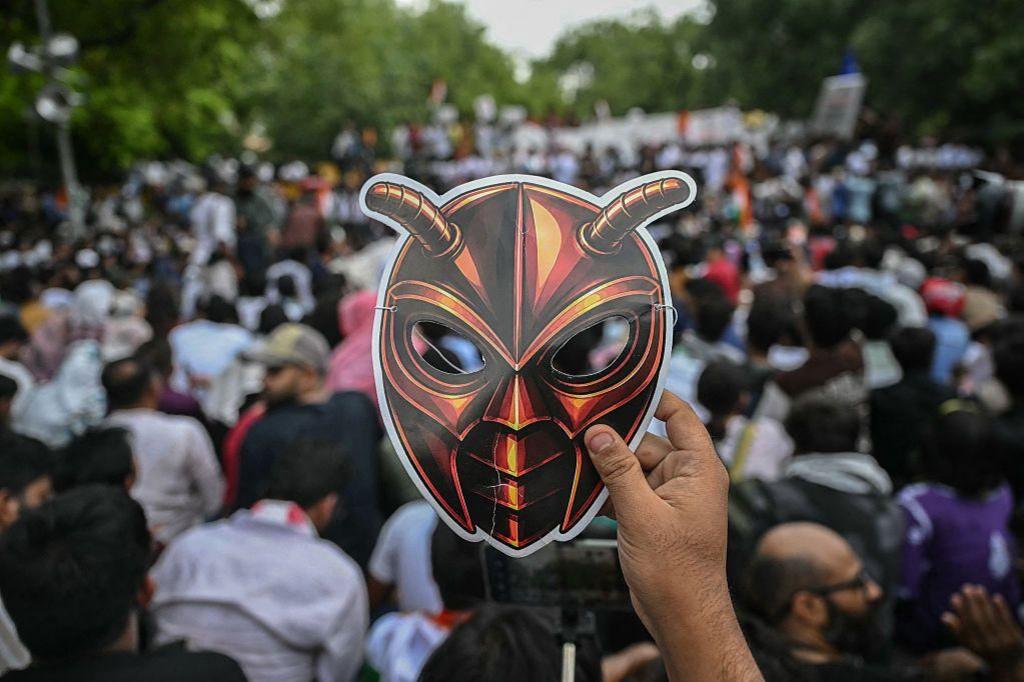
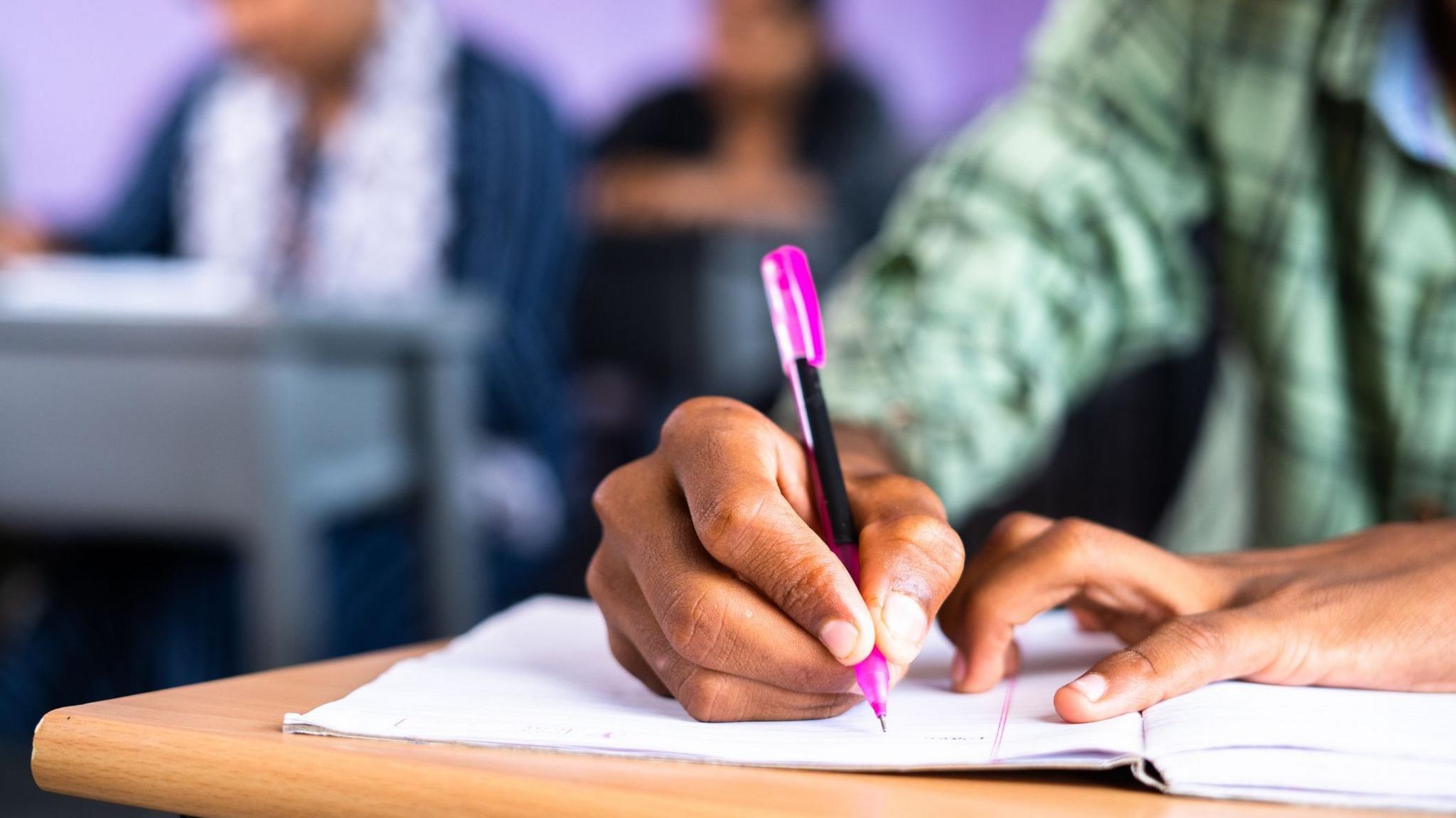
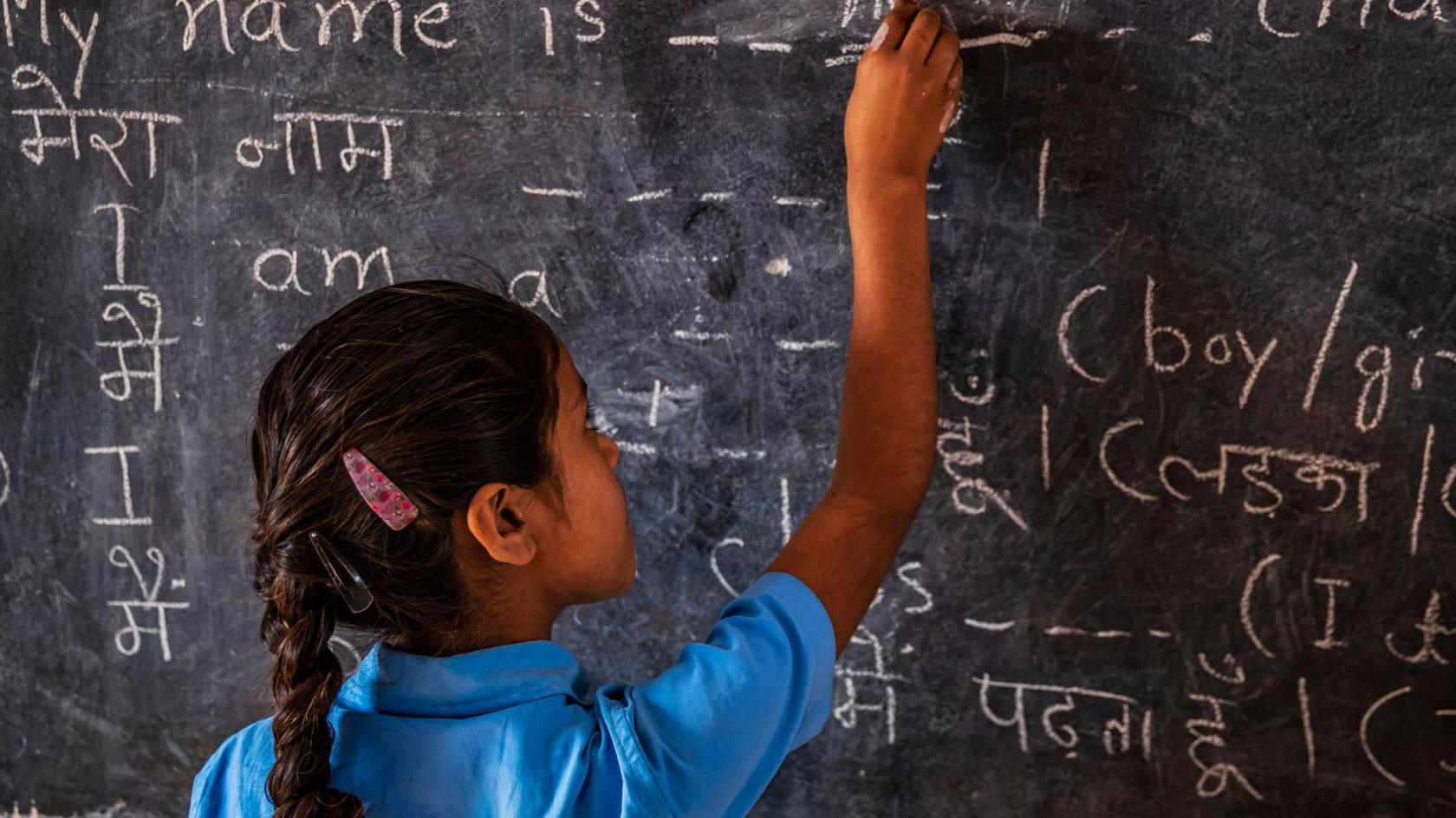
It began with a fear familiar to millions of young Indians: if the examinations that determine their future cannot be trusted, what can?
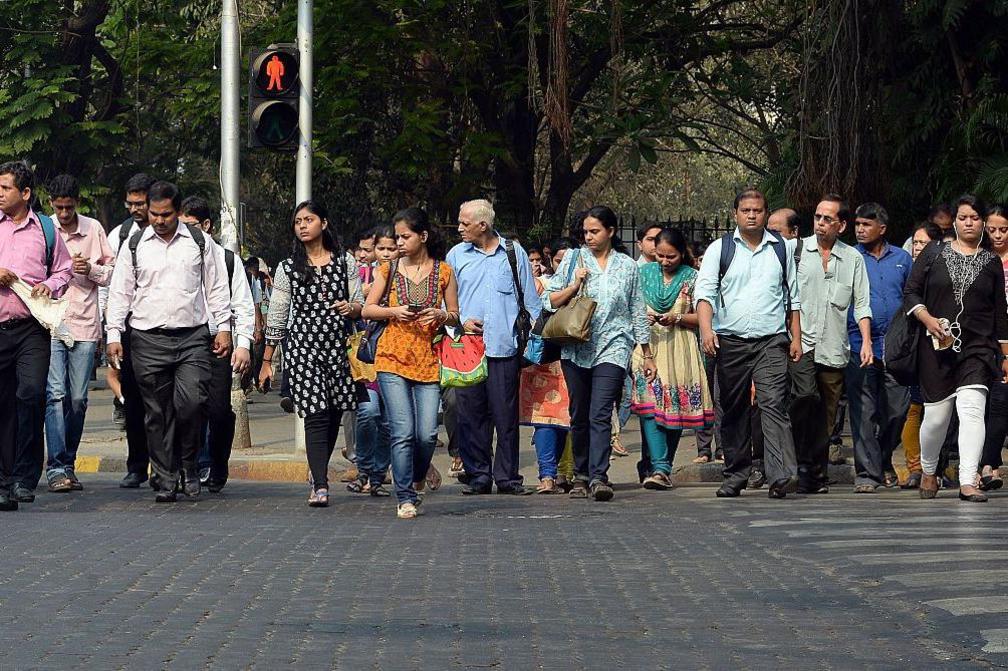
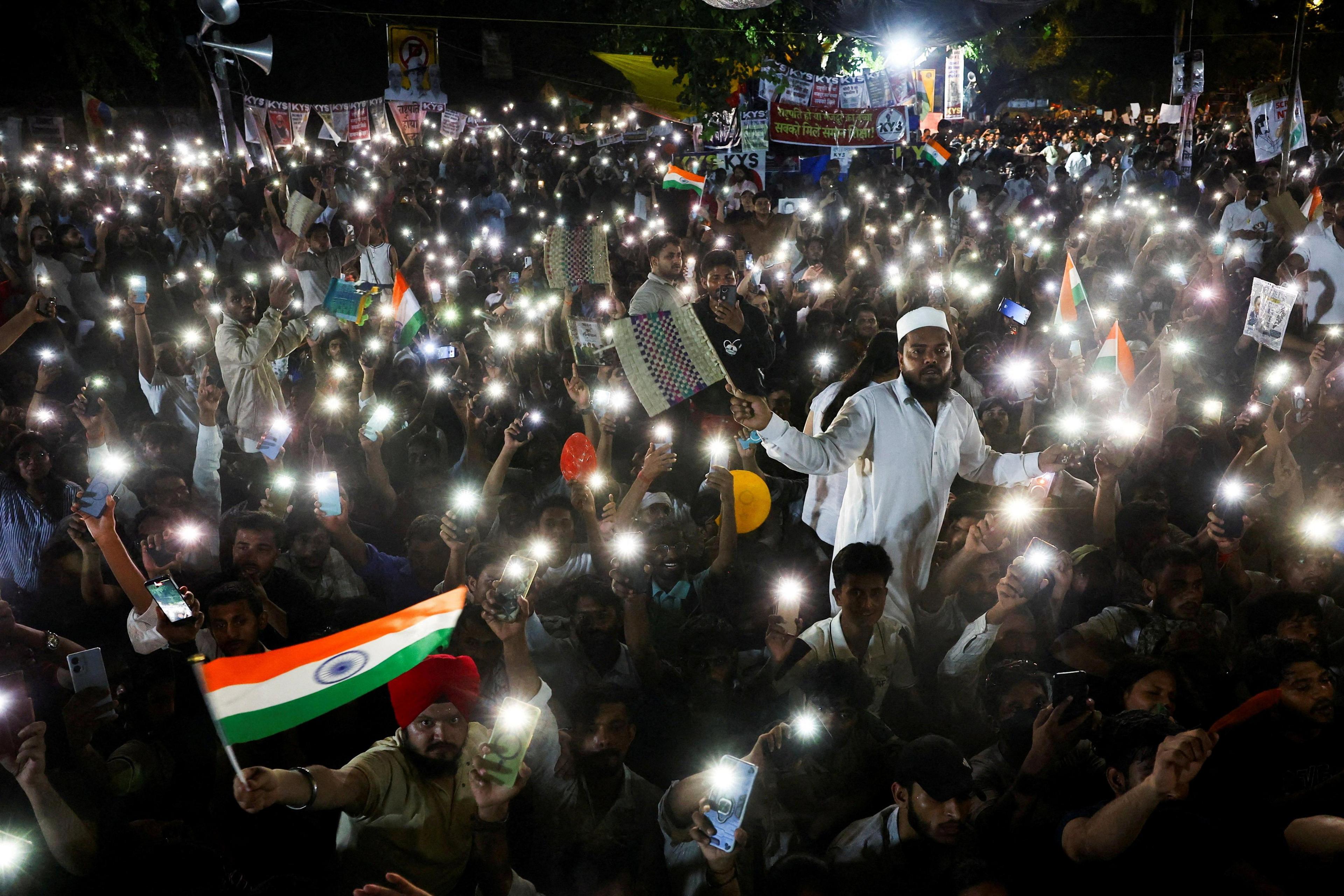
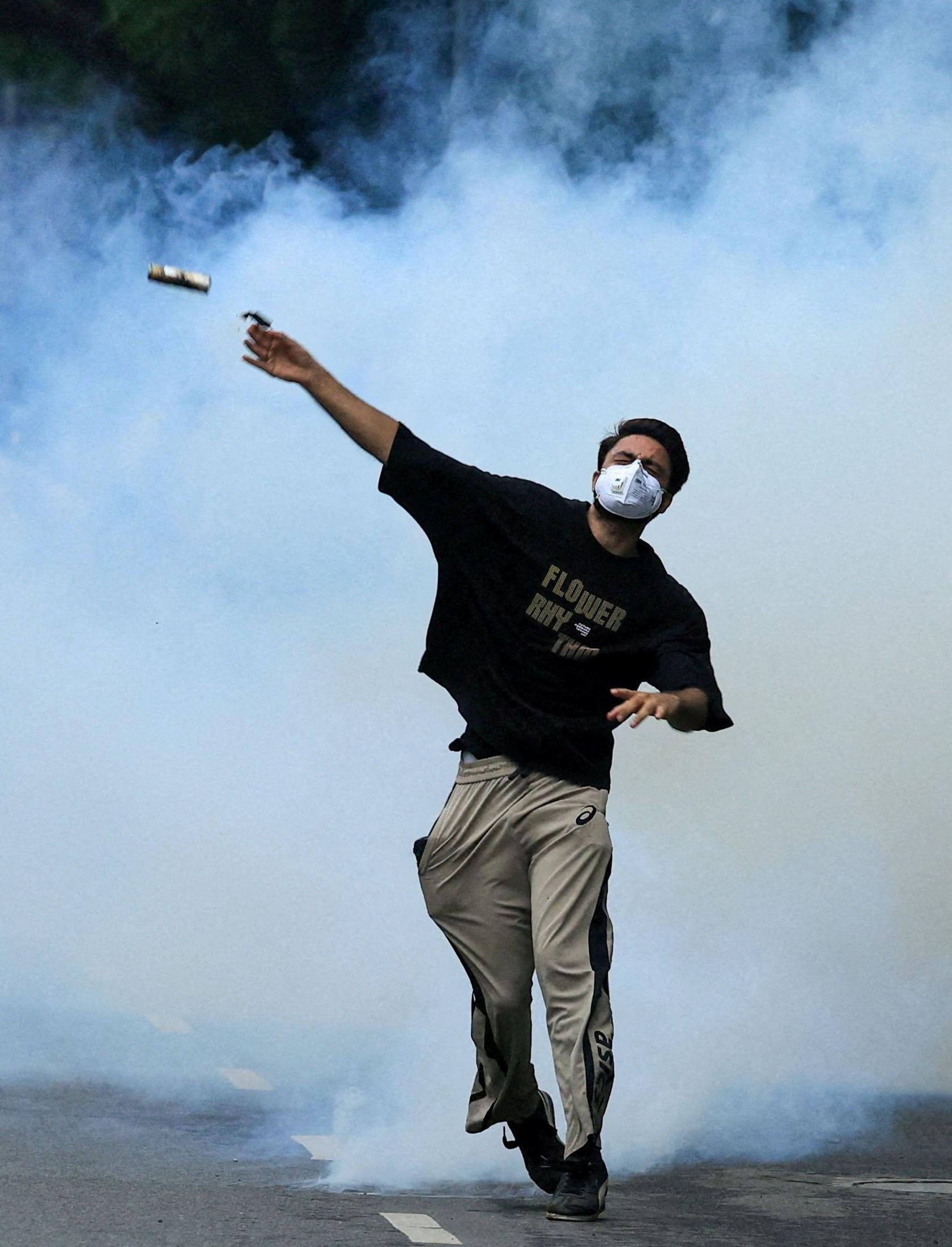
Weeks later, tens of thousands marched on India's Parliament, facing tear gas and baton charges. The Cockroach Janta Party (CJP), born out of anger over repeated examination paper leaks, has become the country’s biggest student mobilisation in years.
The movement demands education reforms and the resignation of Education Minister Dharmendra Pradhan. At its centre is Sonam Wangchuk, who lost 11kg during a 26‑day hunger strike to draw attention.
Unlike previous Modi protests, the CJP is not ideologically driven; it challenges the state’s integrity in safeguarding fair exams—a route many young Indians see as essential for social mobility.
Experts note that this movement transcends caste, class or gender: it questions the government’s ability to act responsibly.
If the BJP fails to address the grievances, the protests may dissolve, or they could morph into a larger political force, scholars warn.
Prime Minister Narendra Modi has addressed the issue publicly, promising fast‑track courts to punish paper leak cases, but whether that satisfies the angry youth remains unclear.
The rally has highlighted a wider economic frustration among young citizens, signalling a potential shift in Indian politics from electoral legitimacy to democratic accountability outside the polls.