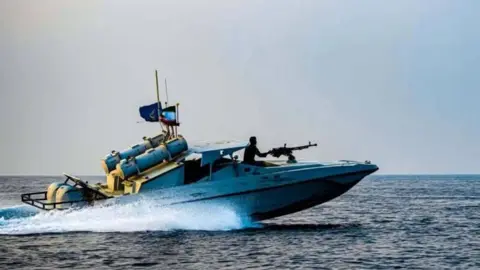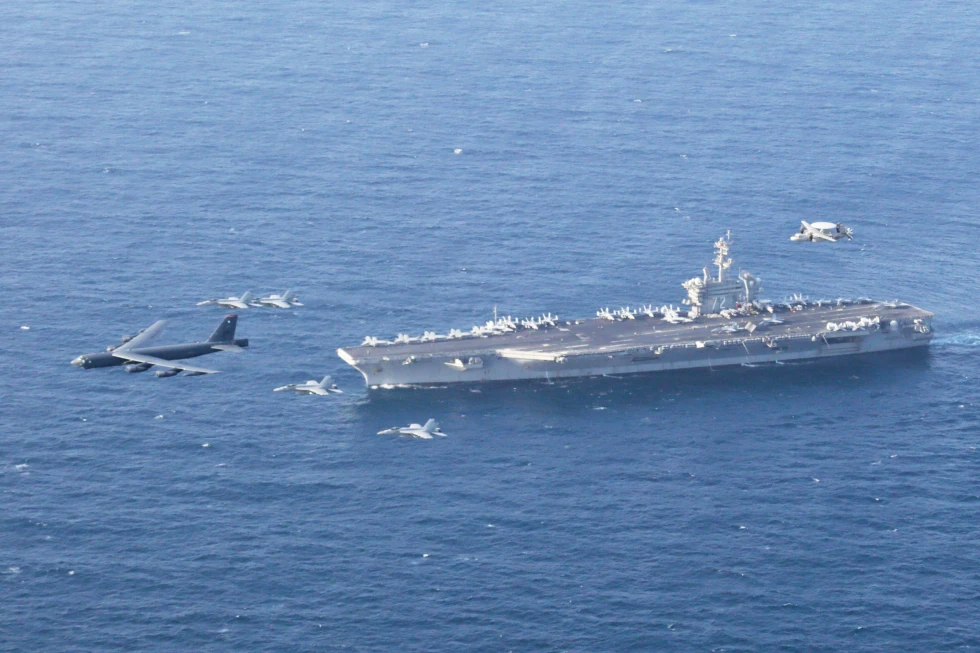
WASHINGTON (AP) — The White House affirmed on Monday that Navy Vice Admiral Frank Bradley acted within his jurisdiction during a military operation involving a second strike against a suspected drug boat in the Caribbean. The strike, which occurred on September 2, has since drawn bipartisan scrutiny.
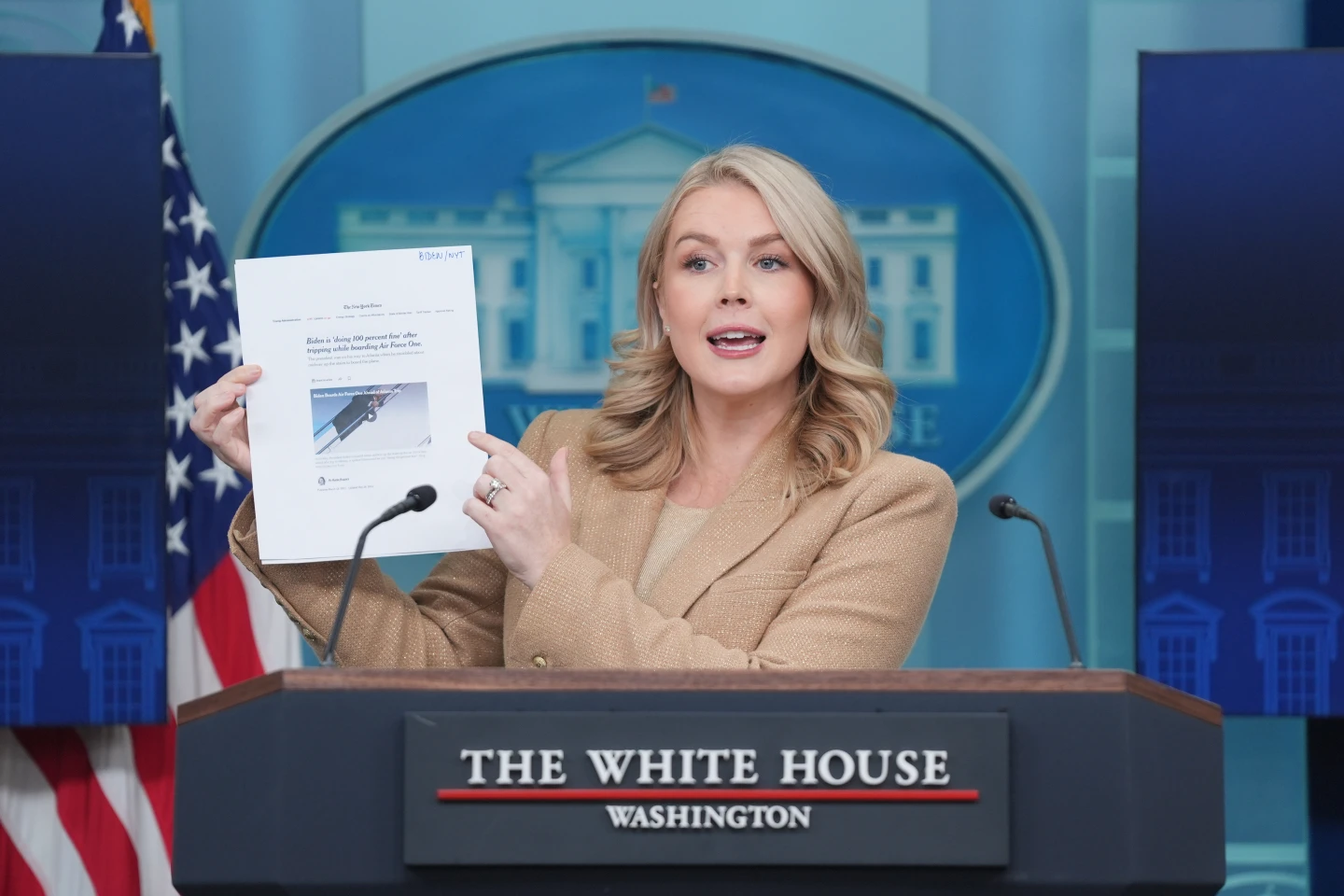
White House press secretary Karoline Leavitt justified the operation after a report suggested Defense Secretary Pete Hegseth had authorized the follow-up strike, which reportedly resulted in the deaths of survivors from the initial attack. This revelation prompted support among lawmakers from both parties for congressional reviews of military actions taken against vessels suspected of drug trafficking.
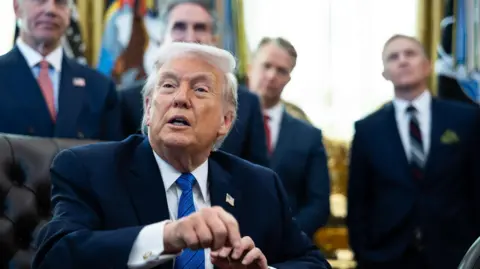
Leavitt did not contest the details of the Washington Post report, which raised alarms about potential loss of life. President Donald Trump weighed in, stating he would not have approved of a second strike, expressing regret for the civilian casualties.
Leavitt emphasized that Hegseth had granted Admiral Bradley authority for the operations, reaffirming that the strikes aimed to neutralize threats against the U.S. She noted that such military actions were conducted in accordance with both U.S. and international law.
Lawmakers, however, voiced concerns about the legality of the strikes, acknowledging that striking those who could no longer defend themselves could amount to a war crime, invoking serious legal ramifications.
Senator Tim Kaine, a Democrat from Virginia, cautioned, “This rises to the level of a war crime if it’s true.” Meanwhile, Republican Representative Mike Turner echoed concerns about the legality of subsequent strikes on incapacitated individuals, underscoring the need for comprehensive investigations.
In response to these events, Hegseth has aimed to contest the accuracy of the reporting, labeling it as 'fake news' and asserting that military operations remain lawful under governing conflict regulations. Meanwhile, President Trump prepares to meet with his national security team to review ongoing Caribbean operations and to evaluate the U.S. strategy toward Venezuelan drug cartels.
The focus on the Caribbean comes amid an increase in military activities intended to combat drug trafficking networks allegedly tied to Venezuelan President Nicolás Maduro. In addition, Venezuela's National Assembly has embarked on its own investigation into these strikes, marking a significant acknowledgment of the toll these operations have taken on Venezuelan lives.