Barrier Lake Threat: China Warns of Second Flood After Nepal‑Tibet Landslide
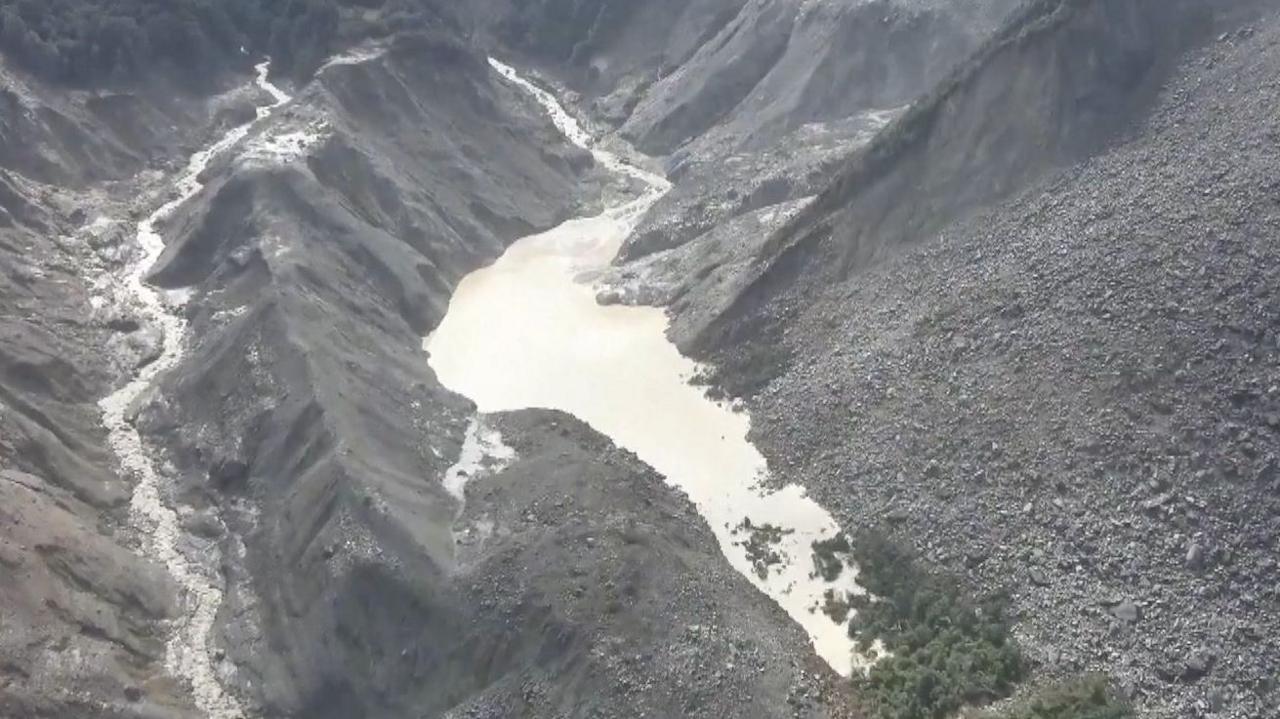
In a dramatic turn of events on the border between Nepal and Tibet (China), a new barrier lake has appeared following a massive landslide that swallowed a glacier and flooded a river. Chinese authorities are now issuing a high‑risk alert that the lake could suddenly breach its banks, unleashing another torrent of water that could devastate downstream communities.
What Happened?
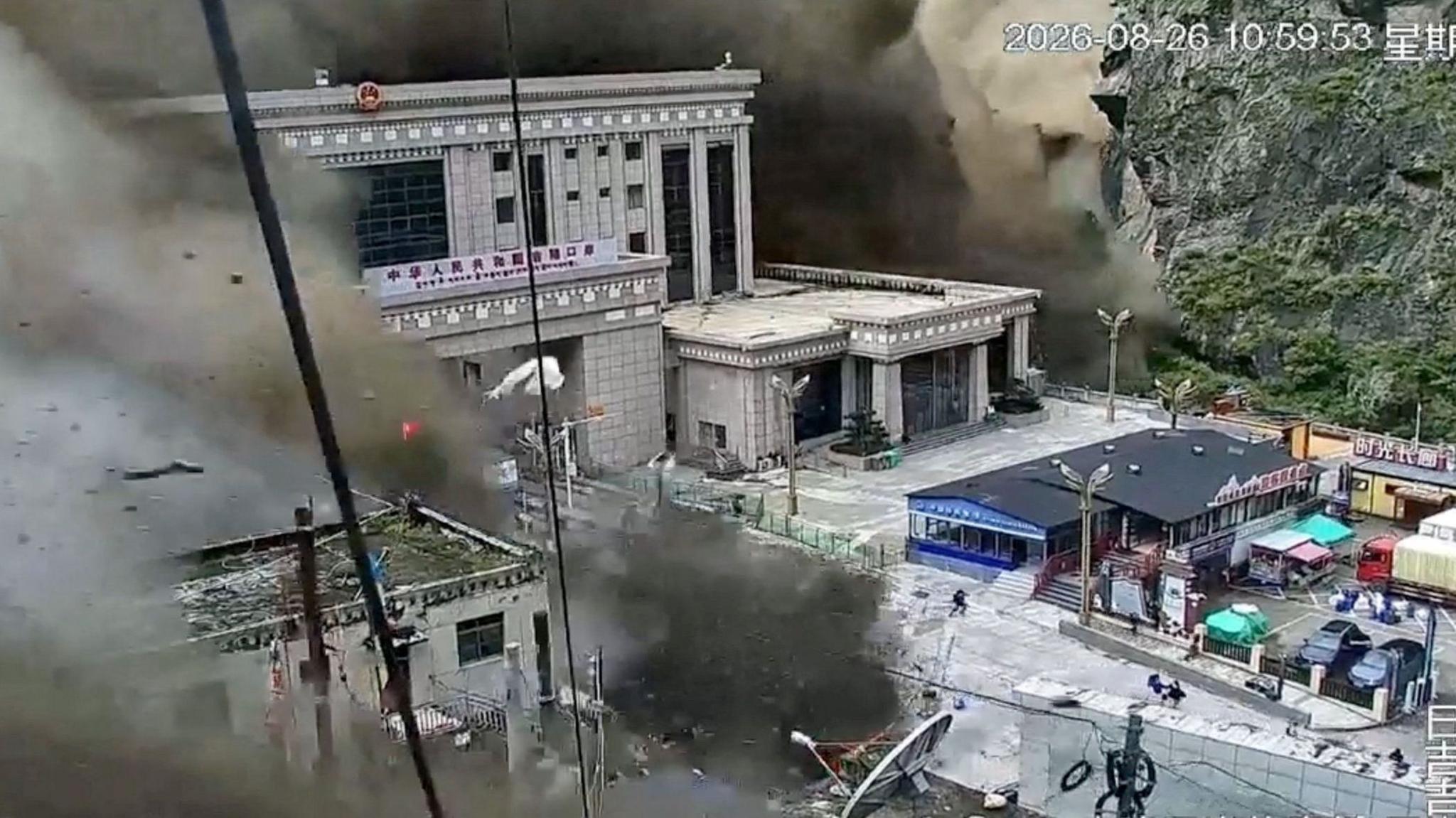
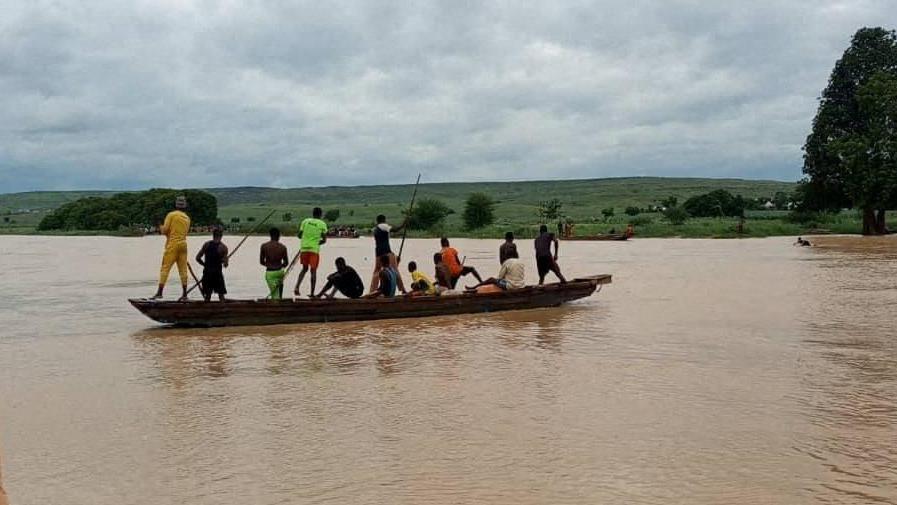
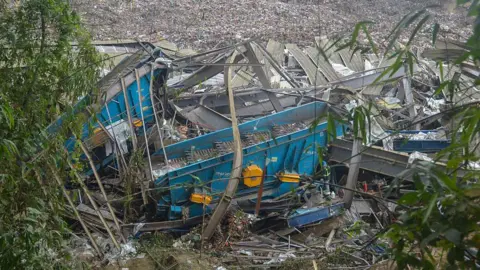
Earlier this month, a sudden collapse of a mountain glacier slid into the River Arun, causing a flash flood that tragically took several lives in remote valleys. The sudden movement also triggered a landslide that carved a natural dam on the river, trapping water behind a newly formed barrier. The result is a lake that has grown rapidly in a short time, and its stability is a major concern.
Why the Risk Is High
The barrier is composed of unconsolidated debris from the landslide, meaning it can fail abruptly. When it does, the water held behind would spill downstream, potentially flooding low‑lying areas in both Tibet and Nepal. Experts estimate that a breach could discharge up to 1,000 cubic metres per second of water, enough to overwhelm local infrastructure and could affect thousands of people.
China’s Warning
China’s disaster‐management authorities have declared the situation “high risk” and issued a warning to local governments and residents in bordering regions. They are running continuous monitoring of the lake’s surface, with satellite imagery and ground sensors assessing height and seepage. Rescue teams are on standby and have already begun preparing evacuation routes.
Regional Implications
The water flow from the barrier lake would travel through the River Arun, which passes through several densely populated districts. If the lake were to fail, the downstream towns—including Gopan, Chhuchha, and Tsumon—could see flash floods arriving within minutes of a breach. The economic damage could run into millions of rupees, threatening agriculture, transport, and local livelihoods.
Local Response and Preparedness
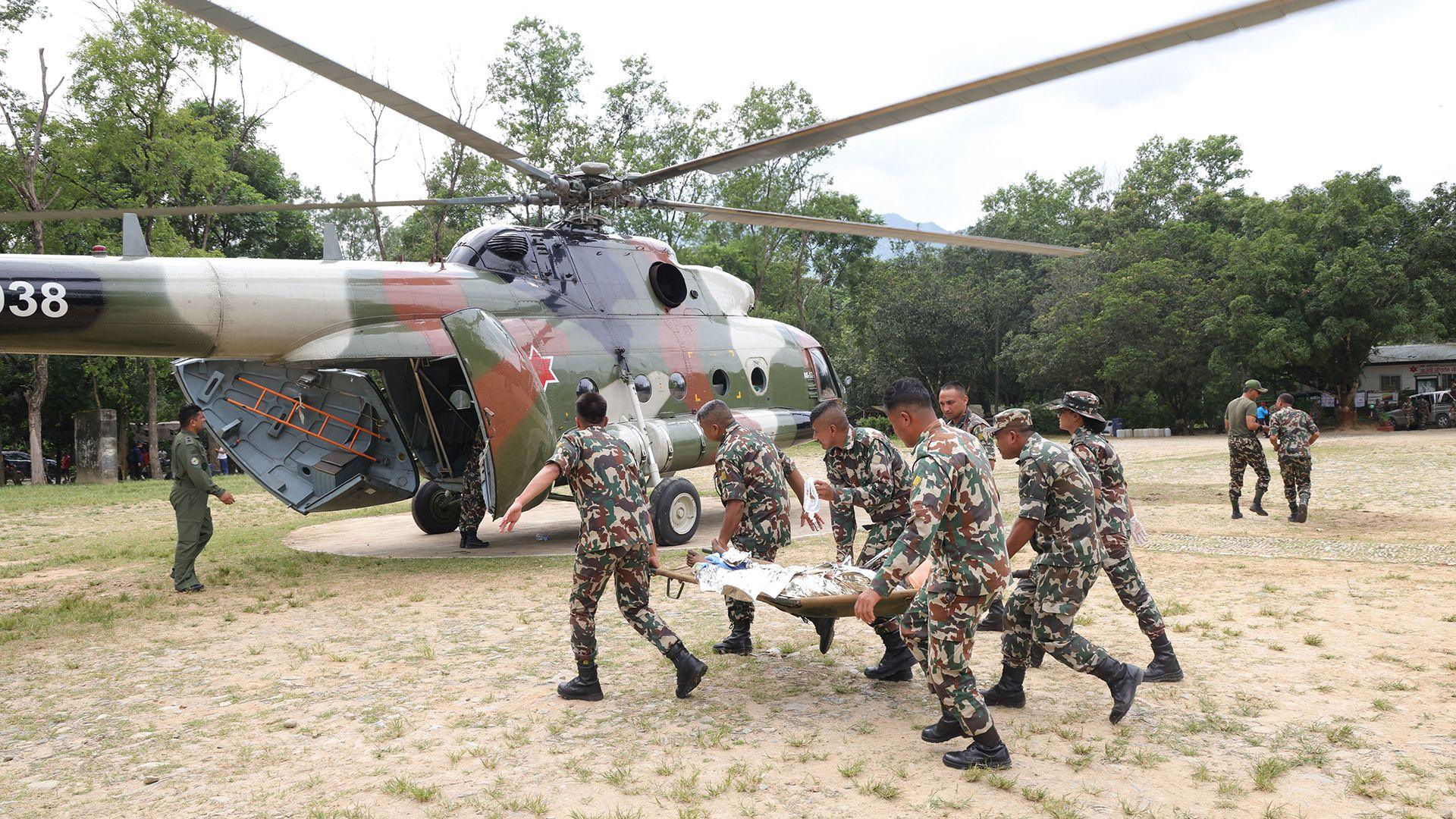
Rescue crews from both countries have installed temporary shoring on the dam’s edge, but the geology remains uncertain. Local authorities are calling for residents to keep emergency kits ready and to follow instructions from the National Disaster Management Authority. Emergency operations centres have established rapid‑response teams to move people out of high‑risk areas if an alarm is triggered.
Looking Ahead
As climate change accelerates glacier melt and the Himalayas continue to experience heavy monsoon rainfall, similar events may become more frequent. The incident underscores the importance of cross‑border cooperation in monitoring landslide‑generated barrier lakes and implementing timely mitigation measures. The watch on the Nepal‑Tibet barrier lake remains on alert, the next ten days will be a critical window for both governments.