Bangladesh’s Measles Crisis: Over 750 Children perish as vaccine gaps widen
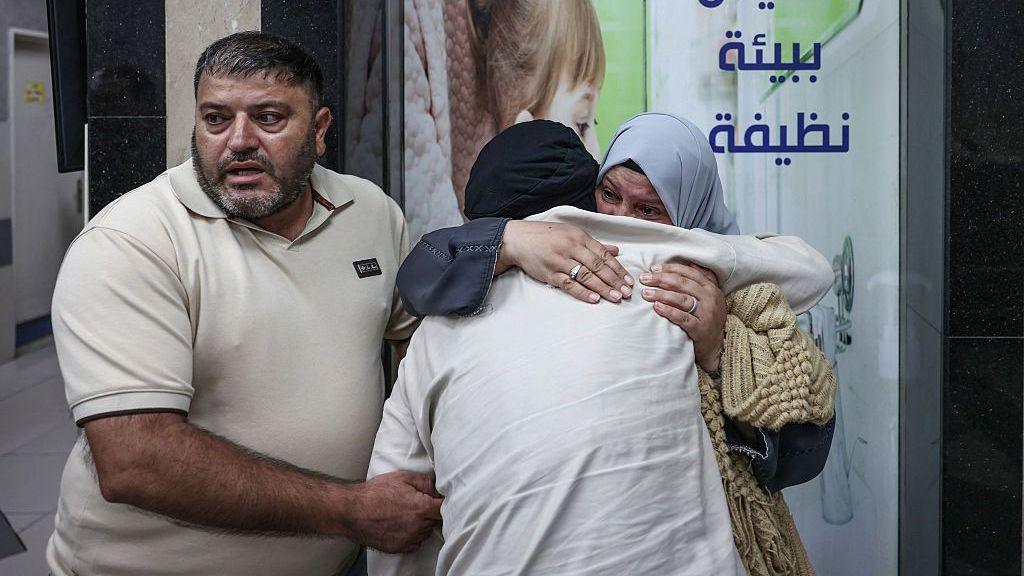
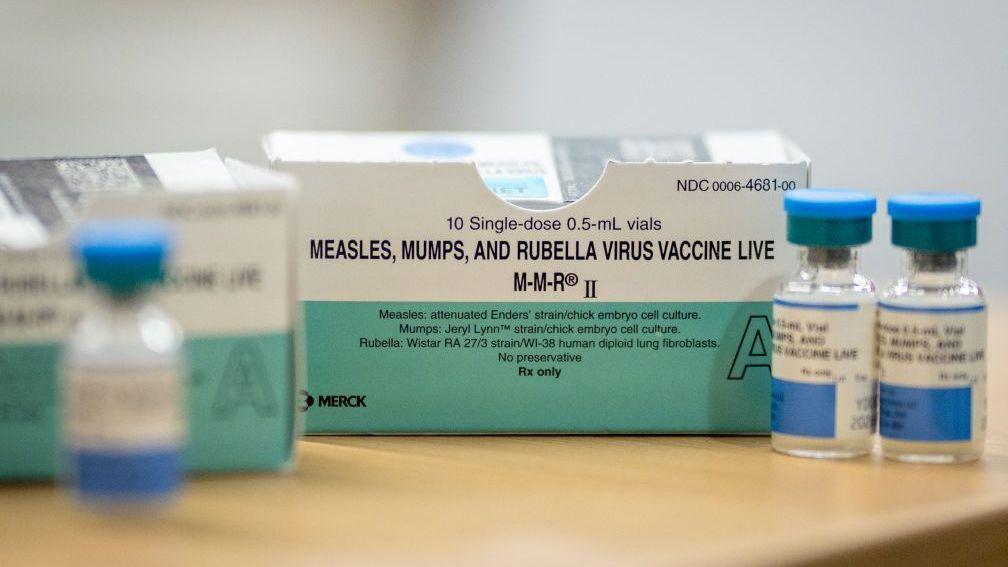
In the Bangladeshi city of Mymensingh, a quiet ward at Medical College Hospital fills with children whose lives now depend on whether a vial of measles‑rubella vaccine arrives on time. The room, normally air‑conditioned and orderly, is now littered with blankets and plastic bags, accommodating 130 patients in 32 rooms – more than twice its normal capacity.
A young boy, 4‑month‑old Arafat, who lies beneath a nasal oxygen tube in a photo above, is one of many now in the country’s emergency queue. His tiny nose is wide enough only for one commercial tube, yet the doctor tried to tape it into place to keep his airway open.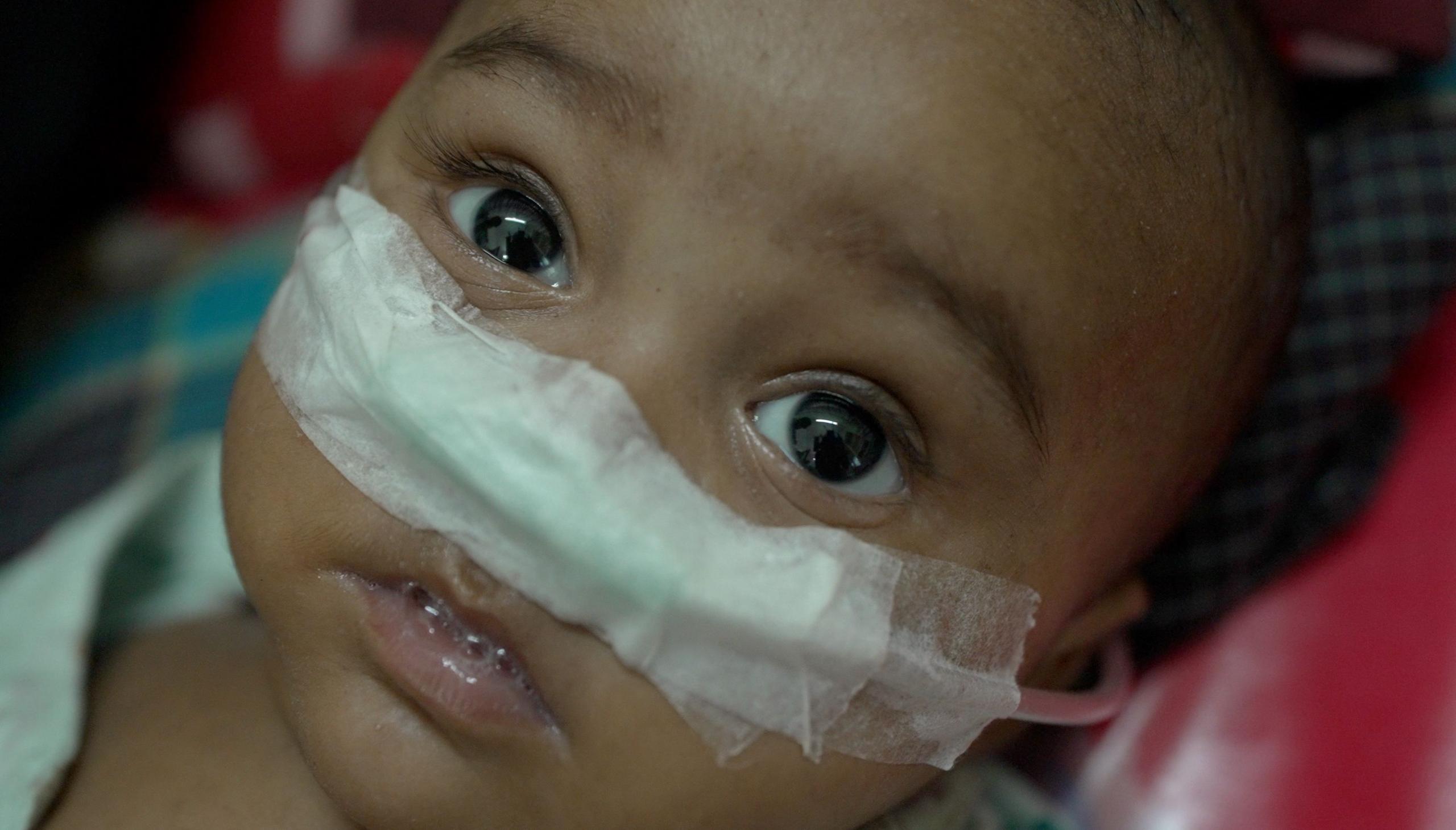
The government’s August 2025 report now shows a staggering 750 deaths, a sharp climb from a single‑digit tally in March. UNICEF emphasises that real numbers are higher, citing data shortages and overwhelmed labs. The tally is not merely statistics; it is a chorus of family words – “my baby won’t get better”, “we still do not have beds”, and a father’s raw confession after litigation and loans to cover hospital bills.
The roots of the outbreak
Experts trace the rise to a “perfect storm”. First, a political turmoil in 2024 toppled the incumbent, interrupted routine vaccine orders and postponed the annual mass campaigns that had kept measles at bay since 2020.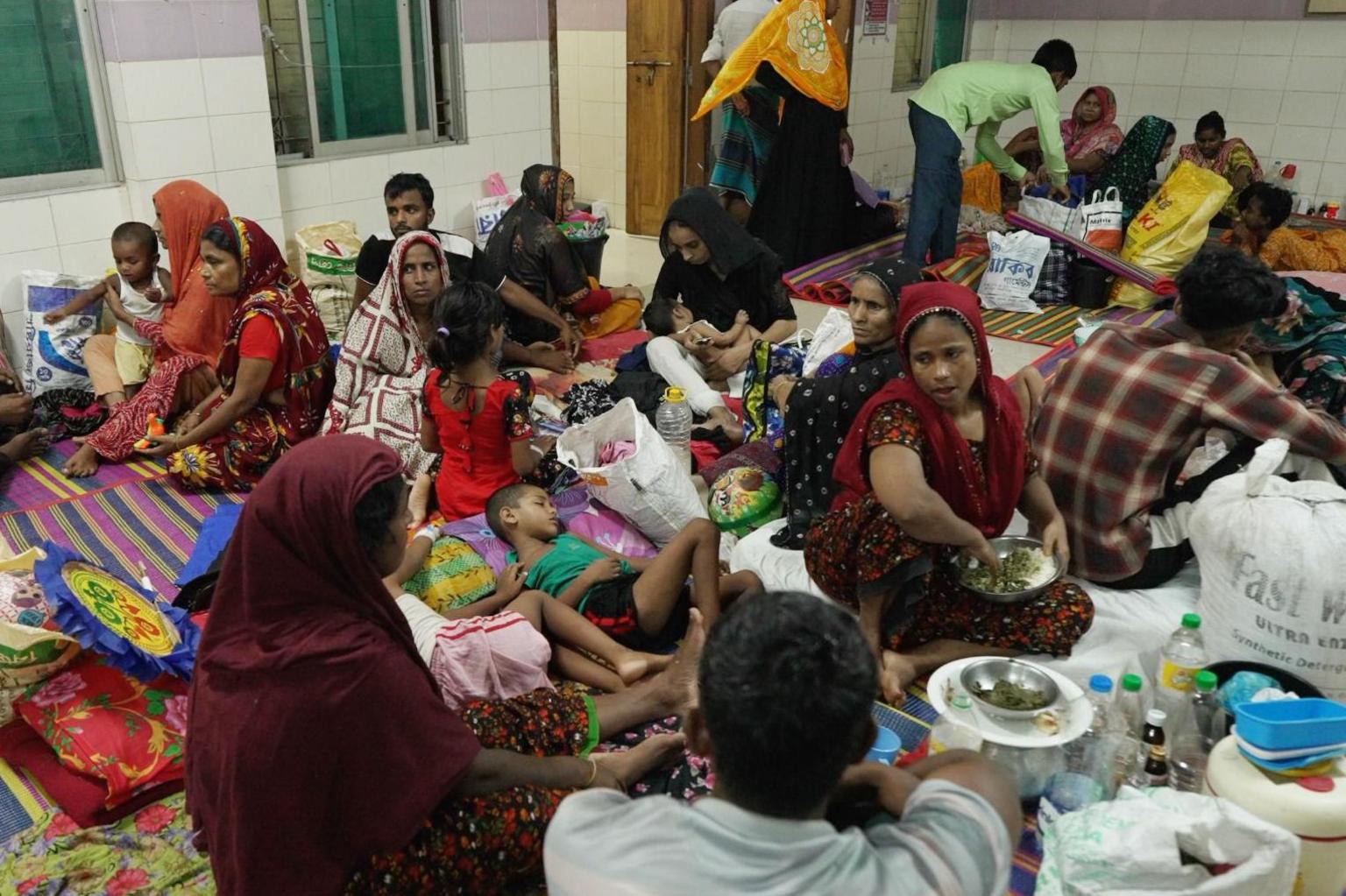
Second, the pandemic of 2020 cut many routine immunisation schedules, leaving cohorts of unprotected children, many of whom travelled during Eid, merging pockets of susceptibility into a nationwide threat.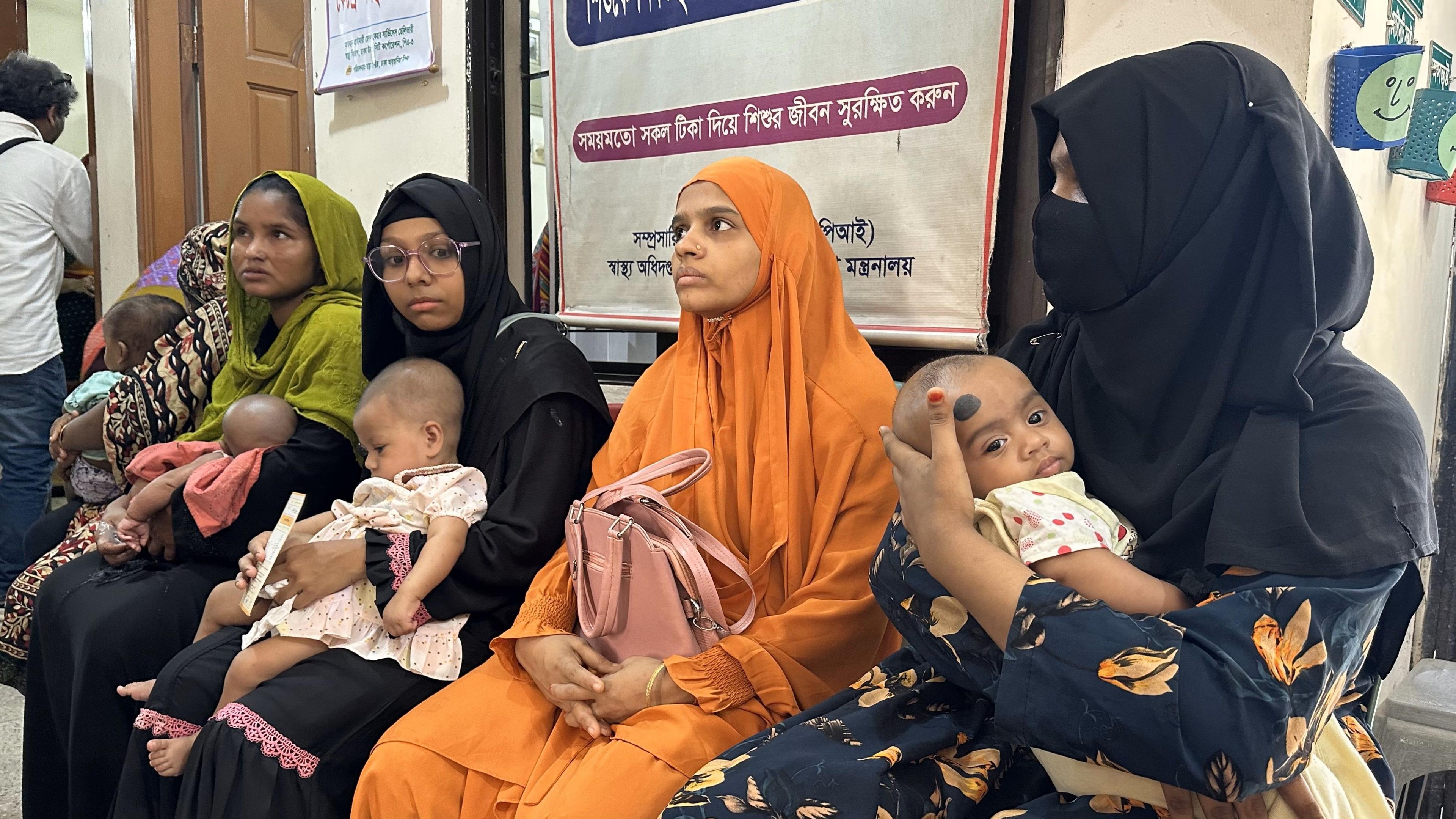
Third, the national health infrastructure falters under the weight of 170 million people—hospital beds, staff, and supply chains strain against those newly infected. The chairman of the Ministry of Health, Sardar Sakhawat Hossain, told reporters the country’s smaller capacity is a given, but public‑health voices call that a dangerous understatement.
Emergency response and future outlook
Since April, Bangladesh’s emergency vaccination drive has reached 18.4 million children. The numbers clubbed by news reports have gone down, yet daily suspected cases continue to hover just below 1,000 and fatalities remain alarmingly close to 10 a day. This is not a containment success; it is a warning.
“We have to treat this as an epidemic, not an isolated outbreak,” says researcher Mushtuq Husain. Doctors and vaccine advocates demand that the interim government recover the stalled procurement and that a national programme resume yearly mass immunisations.
OnPoint article compiled by the investigative team, drawing on frontline interviews, official statements and UN reports.