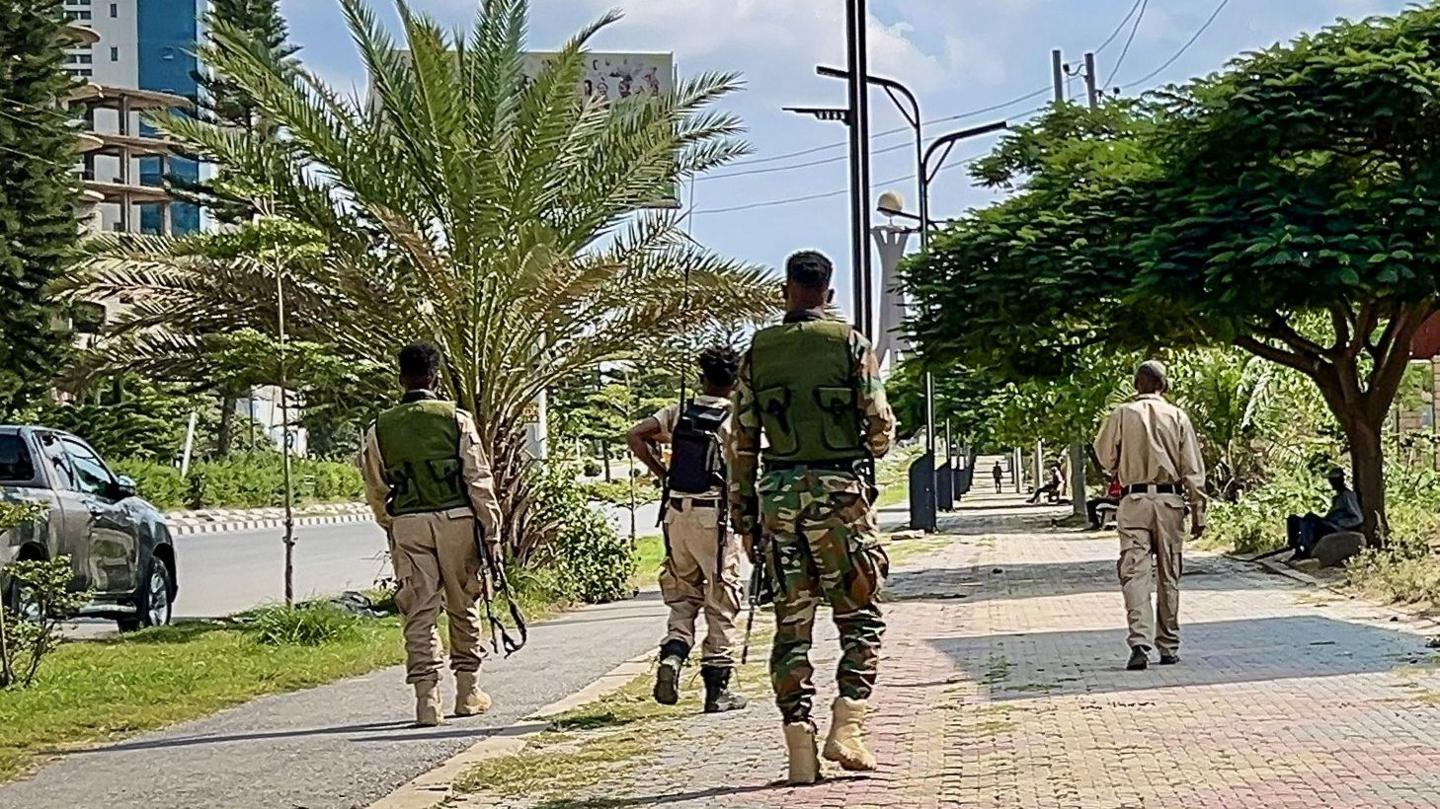
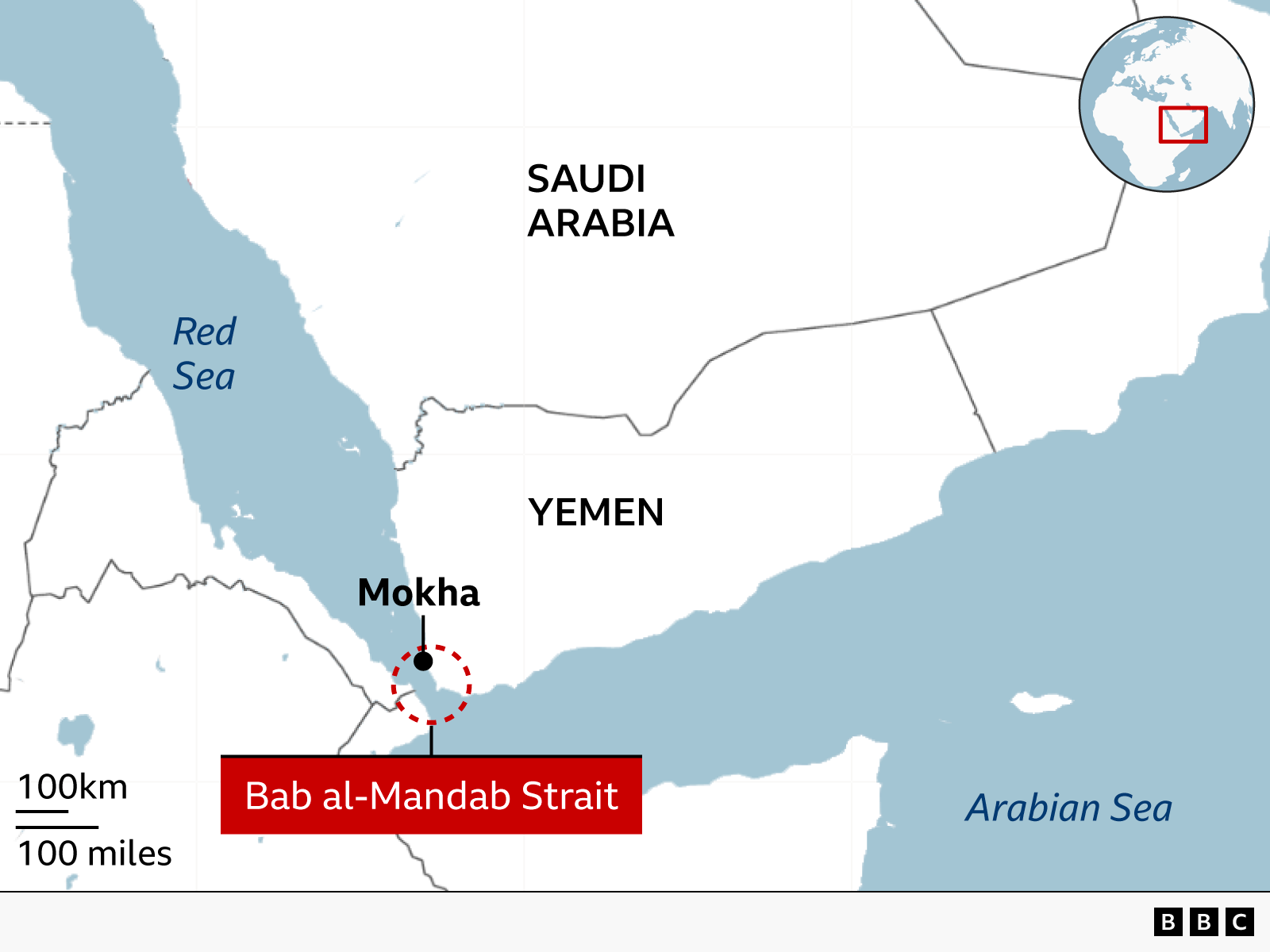
BBC journalists on a narrow convoy cut through the dusty streets of Taiz, Yemen’s second‑largest city. They were following a column of Saudi‑backed government soldiers, moving toward a frontline where the Houthi insurgency had recently swept the Red Sea coastline, securing a critical shipping chokepoint. The footage, captured in 4K, shows a mixture of tense eye contact between soldiers and local civilians, with the convoy’s lead vehicle stepping through a makeshift checkpoint that flickers between all‑clear and red alert.
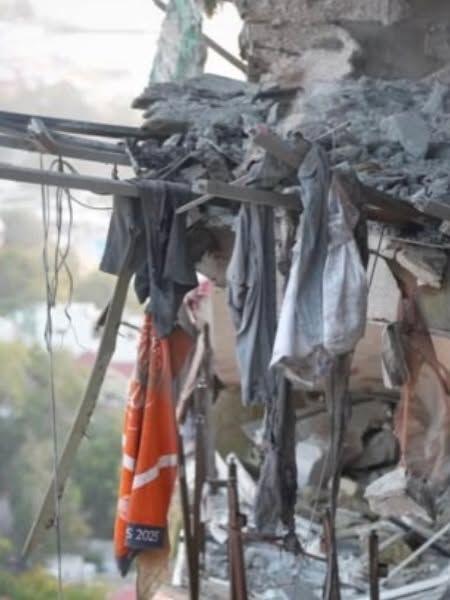
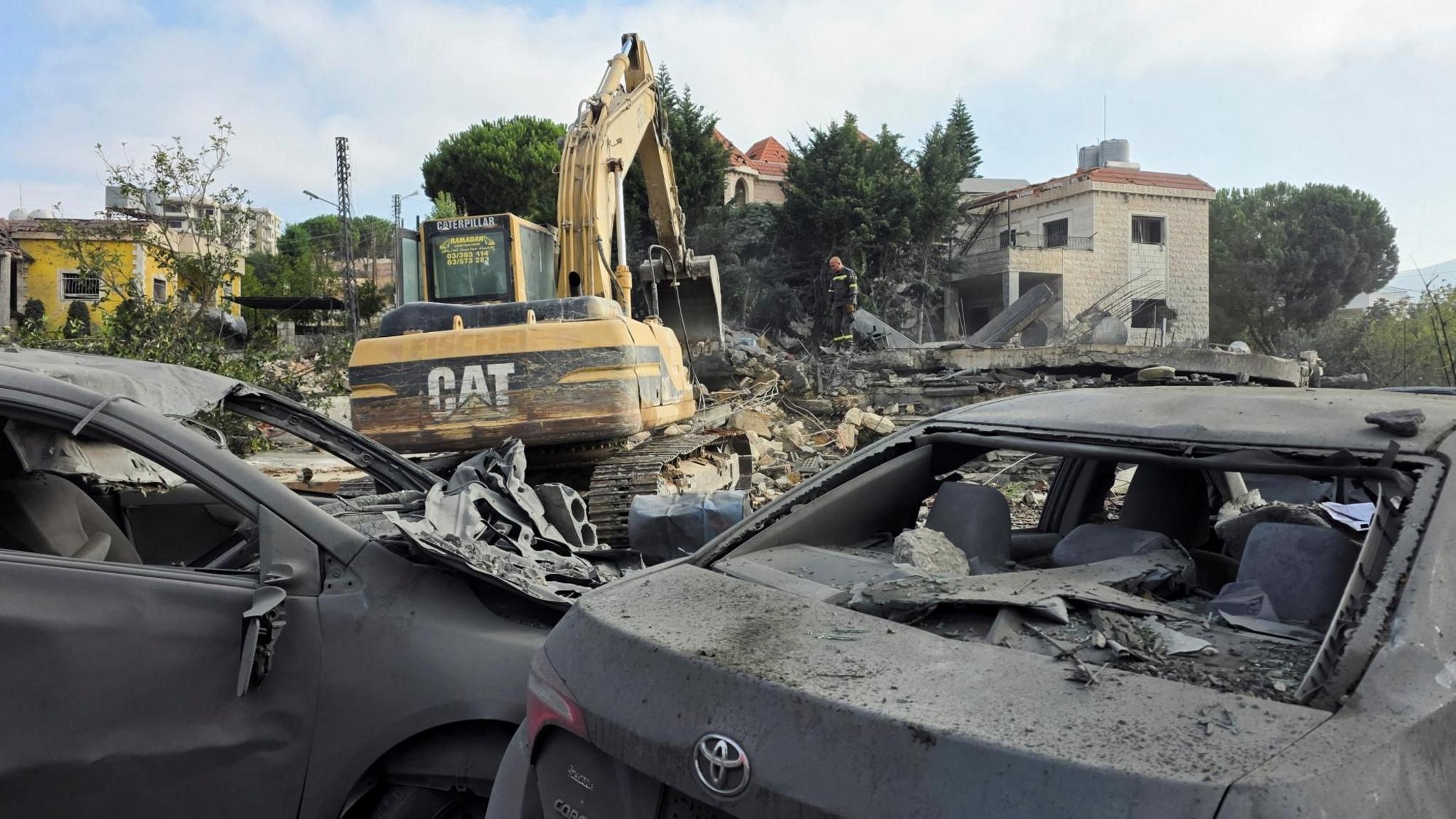
A drone’s low‑passing silhouette was first spotted 1,200 meters from the convoy. A soldier accompanying the BBC crew noted in real‑time commentary that a drone was routinely followed by an aerial strike within minutes. Within about ten minutes after the convoy passed, heavy thuds—reports indicate a cluster bomb strike—echoed across the deserted street, leaving debris and a smoldering plume visible from the camera’s wide‑angle lens.
The rider of the questioning narrative are the core forces—Saudi‑backed troops—supposedly working to clear the Houthi positions. Reports from senior investigative correspondent Nawal Al‑Maghafi reveal that these forces are grappling with a surge of Houthi fighters who are bolstering their use of mortars and drones, turning the southern strip into a casualty‑laden battlefield. “We are looking at the chaos we just described,” Al‑Maghafi said, framing the images of a small, rusted tank now resting in a small crater, with smoldering eaves in the foreground.
The BBC report is one of the few accounts providing a raw, on‑the‑ground view amid a war that has stretched into the fifteenth year. “It’s almost surreal witnessing the line where the Houthi control ends and the vague, disputed no‑man's land stretches beyond,” a soldier in the convoy whispered, wearily. This voice‑over mirrored the visceral tone of the on‑camera narration, underscoring that the everyday reality for Yemenis involves gazing, sometimes at nothing and sometimes at a flared horizon of artillery.
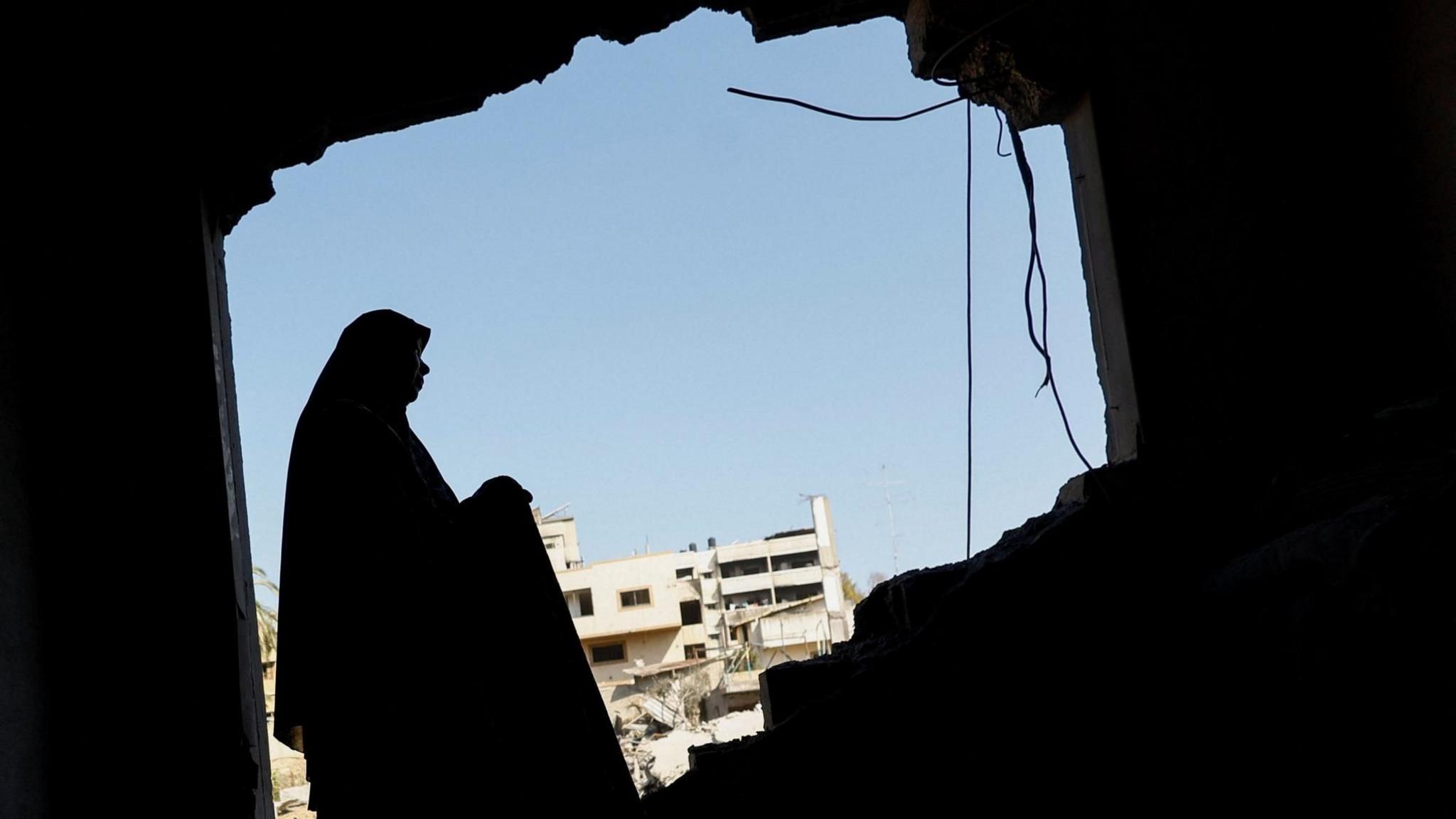
The footage also captures civilian displacement, with a middle‑aged woman clobbering her bags along a narrow lane, her eyes darting to the sky as an unnamed air raid siren grunts low and long in the background. The imagery of her hurried walk against the gutted backdrop amplifies the human dimension that statistics can’t easily render.
As the video progresses, journalists point out key geographical markers—Taiz’s ancient citadel in the distance, the drainage channels running along the dead‑end streets, and the abandoned water‑dam—providing spatial context for a global audience who might otherwise feel detached from Yemen’s internal dynamics. In several hours, it’s clear that this war stretches far beyond any single battlefront, weaving through infrastructure, families, and global supply chains.
The BBC’s live coverage ends as the convoy finally slows, as if the weight of what they just witnessed pressed against the vehicle’s chassis. The rear camera pans to a cracked flagpole, which when lifted reveals the word “Yemen” slanted in the dusty air. In the background, a fleeting flash of lights—perhaps a cluster of munition sites—cuts the horizon, reminding viewers that war, once started, is hard to stop. The final splash screen fades to black, marking the end of a tense, first‑hand report and leaving a lingering question: How many more nights will the skies over Taiz be lit up by the echo of bomb blasts?