In brief
In a high‑stakes legal showdown, the BBC has taken court action to subpoena Donald Trump Jr., Ivanka Trump and Jared Kushner for evidence related to a 2024 Panorama episode that reportedly misrepresented the former president’s speech. The subpoenas were attempted via hand delivery but were blocked by security firms and the Secret Service, prompting the BBC to seek email or certified mail service. Trump’s lawsuit accuses the broadcaster of “intentionally, maliciously and deceptively editing” the speech, for which BBC has apologized but argues does not meet defamation criteria. The case remains ongoing with a trial set for February 2027, while the BBC also seeks trump’s financial records to link alleged defamation harms to his business interests.
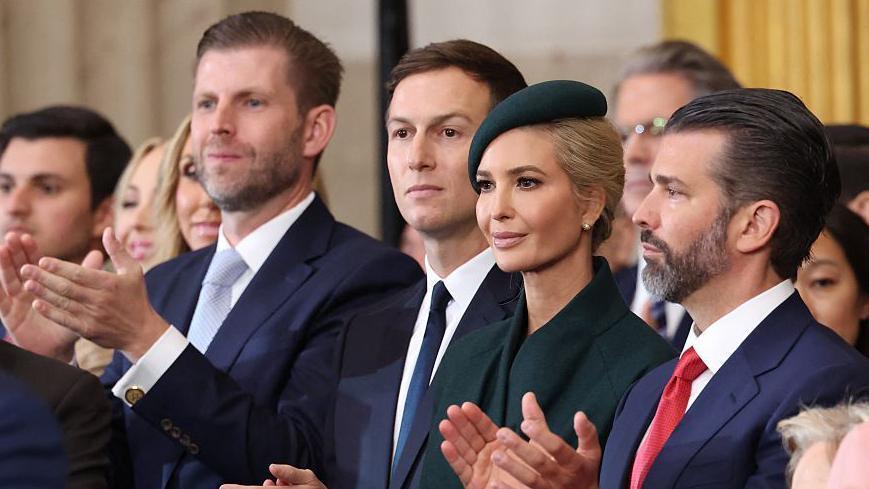
The BBC has taken court action in the United States to serve subpoenas on three of Donald Trump’s relatives—Donald Trump Jr., Ivanka Trump and Jared Kushner—as part of its defense against a massive defamation lawsuit filed by the former president.
The subpoenas were first attempted to be served in person in May, but security checks at Florida and New York properties barred delivery and the Secret Service declined to accept the documents. As a result, the BBC has asked the court to allow service by email or certified mail.
Trump’s suit, lodged in Florida last December, alleges that a Panorama episode edited two unrelated sections of a speech he delivered outside the U.S. Capitol on 6 January 2021, creating a false impression that he urged violent action. While the BBC apologized for the editing error, it maintains the episode does not satisfy the legal definition of defamation and was not broadcast on U.S. platforms.
The court filings, which cite testimony from U.S. congressional committees, claim the Trump relatives had “personal knowledge” of the president’s intentions regarding the speech and therefore possess relevant documents and testimony. The BBC also seeks the former president’s financial records to establish damages tied to the alleged defamation.
Trump’s lawyers have indicated that disclosure of these records could cause “irreparable harm,” while the BBC’s legal team argues that the subpoenaed evidence will illuminate how the broadcast potentially misrepresented a key public statement. A trial date has been set for February 2027 should the case proceed.
The BBC’s legal case underscores the complex interplay between media production, defamation law and the heightened scrutiny of political figures in the United States.