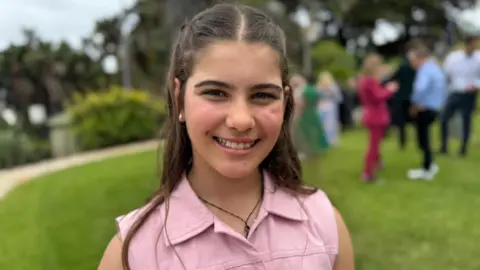
Australia's world-first social media ban for children has taken effect, with throngs of teenagers waking up to find their accounts have gone dark.
Others tell BBC they have already snuck past barriers and will continue scrolling and posting freely until they are caught.
The new law means social media firms - including Meta, TikTok, and YouTube - must take reasonable steps to ensure Australians aged under 16 don't hold accounts on their platforms.
The ban, eyed with excitement by global leaders and trepidation by tech companies, was justified as necessary to protect children from harmful content and algorithms - though critics have argued blanket prohibition is neither practical nor wise.
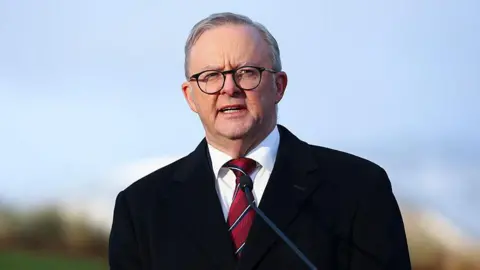
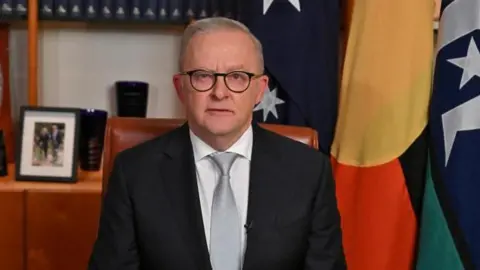
This landmark policy has been one of Prime Minister Anthony Albanese's pet projects, and speaking to media on Wednesday he said he believed it has the power to change lives around the world.
Various governments, from the US state of Florida to the European Union, have been experimenting with limiting children's use of social media. But, along with a higher age limit of 16, Australia is the first jurisdiction to deny an exemption for parental approval in a policy like this - making its laws the world's strictest.
Countries like Denmark, Malaysia, Singapore, Greece, and Brazil are among those who have said they're looking at Australia as a test case.
The Australian government has named 10 social media platforms as a start, including all of the most popular ones, but has also warned others it's coming for them next.
Polling shows the ban is wildly popular with parents, who hope it will also help reduce cyber bullying and child exploitation. But it is far less popular with children.
Experts have raised concerns that kids will easily circumvent the ban, and argue for alternative measures like education and better moderation.