Kamala Harris’ recent defeat in the presidential race has raised questions about whether her candidacy was inherently flawed or if her campaign was simply doomed from the start. Appearing just weeks ago on ABC's "The View," Harris intended to present herself as a relatable candidate, but her response to a pivotal question—essentially claiming she wouldn't have changed anything about the current administration—was quickly co-opted by Republican ads, highlighting a significant misstep in her messaging strategy.
In the days immediately following her loss to Donald Trump, Harris' publicly proclaimed message of encouragement to her supporters masked a more profound uncertainty within the Democratic party about her campaign’s direction and effectiveness. Many of her aides were left in tearful disbelief at what they anticipated would be a more competitive election result. "This is painful, and it will take time to truly process," Harris' campaign manager, Jen O'Malley Dillon, lamented to staff.
As the sitting vice-president, Harris struggled with the negative perceptions surrounding President Biden, whose approval ratings remained dismal throughout his term. Despite entering the race promoting a new wave of leadership and seeking to capture the votes of women concerned about abortion rights and economic issues, she was unable to offset the voters’ sentiments against the Biden administration. Harris's campaign initially gained traction, boasting a series of high-profile endorsements and significant fundraising successes; however, lingering anti-Biden sentiment ultimately overshadowed her efforts.
Former aides and campaign insiders suggested that Harris’s unwavering loyalty to Biden may have restricted her potential as a candidate. While her strategy aimed to maintain a delicate balance between endorsing Biden's policies and promising change, Harris found it challenging to prove she could present a more appealing vision for the future. Polling data showed troubling signs for the Harris campaign, with many voters expressing deep concerns over their financial situations and rising living costs—a disconnect that Harris failed to adequately address.
Additionally, the campaign targeted key ethnic and youth demographics that provided Biden his 2020 victory but fell short in outreach, losing significant support among Latino, Black, and younger voters. Critically, independent voices like Bernie Sanders noted a broader dissatisfaction among working-class voters who felt abandoned by the Democratic establishment, underscoring the need for the party to redefine its priorities.
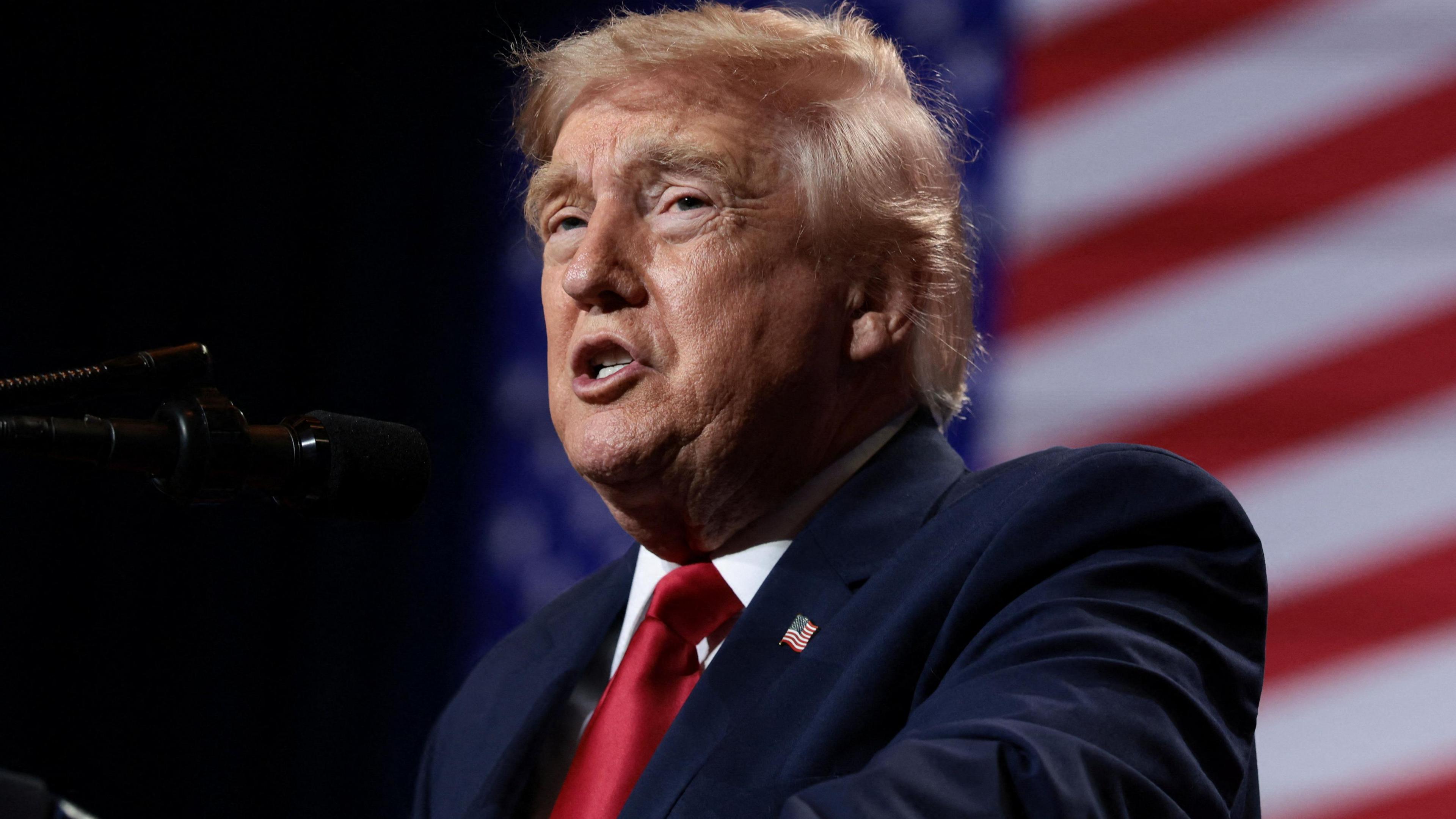
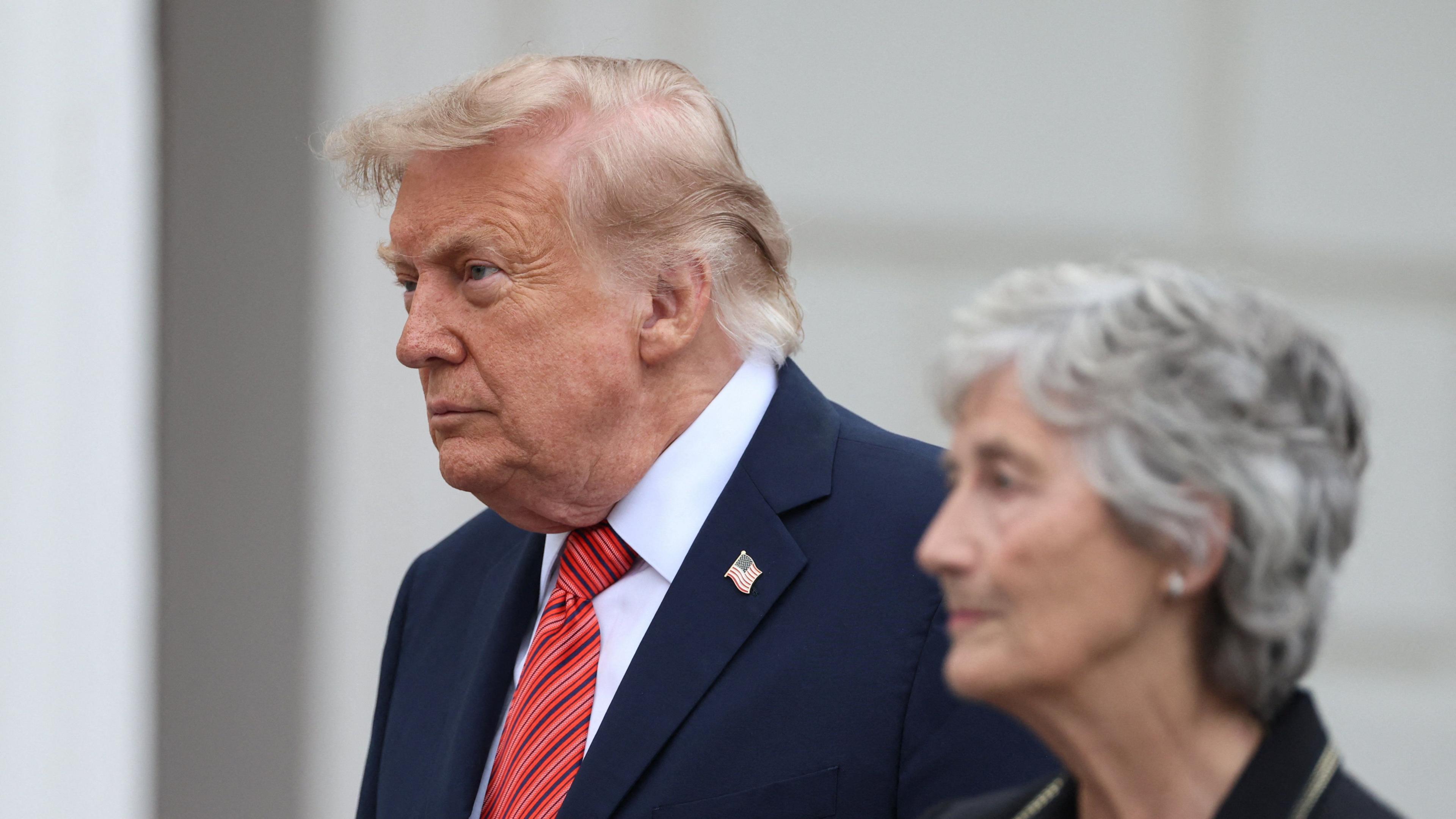
Harris, who positioned herself as a champion for women, achieved some support among female voters. However, this was not enough to compete with expectations set by Biden’s 2020 performance. As the election drew nearer, Harris attempted to shift the narrative from Biden to Trump, focusing on the former president's erratic behavior. This pivot, according to Republican pollsters, detracted from effectively communicating her own political platform and vision.
By emphasizing Trump rather than her plans for leadership, Harris' campaign failed to resonate with voters longing for clarity and direction. The result was a significant loss, exposing a deeper malaise within the Democratic party regarding its identity and approach moving forward in the face of economic and social issues.
In sum, Kamala Harris’ failure to establish her candidacy as distinct from Biden's struggles, coupled with an unclear policy message and dwindling support from core Democratic demographics, led to a disastrous electoral outcome, highlighting significant challenges ahead for her and the party.