
In brief
Recent increases in HMPV cases in Beijing have raised concerns, particularly among children. Health experts clarify that while HMPV can be serious for vulnerable populations, it is not a new threat and is part of a seasonal trend.
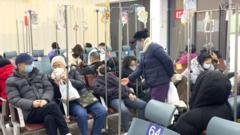
As Beijing grapples with a marked increase in human metapneumovirus (HMPV) cases, particularly among children, there is growing concern among the public, amplified by images of crowded hospitals circulating on social media. This uptick, attributed to seasonal factors by health officials, has drawn comparisons to the Covid-19 pandemic, which experts quickly discredit, asserting that HMPV is a well-known virus and not a novel pathogen.HMPV is a respiratory virus that typically results in mild infections, resembling the flu in many cases. Identified for the first time in 2001 in the Netherlands, the virus spreads through direct contact and via contaminated surfaces. While symptoms often include cough, fever, and nasal congestion, certain groups—such as infants under two and individuals with compromised immune systems—are at a greater risk of severe illness, which may necessitate hospital treatment.The rise in cases has been linked to seasonal patterns, with respiratory infections generally peaking in late winter and spring. The combination of cold temperatures and increased indoor gatherings in northern China has likely contributed to this latest outbreak. Other countries in the northern hemisphere, including the US and UK, have also reported similar trends since October, reinforcing the seasonal nature of HMPV.Experts reassure that the fears related to HMPV should not mimic those linked to Covid-19, emphasizing that pandemics typically arise from new pathogens. Dr. Hsu Li Yang, an infectious diseases expert, noted that HMPV is already widespread and most individuals have developed some immunity through prior exposures. In fact, many children will experience at least one HMPV infection by age five, leading to multiple reinfections throughout their lives.While there is no immediate cause for alarm, precautionary measures remain advisable, particularly for those at higher risk of severe respiratory infections. Dr. Hsu recommends wearing masks in crowded settings, maintaining good hand hygiene, and receiving vaccinations for other respiratory illnesses, including the flu. Overall, experts believe that while the current situation is concerning, it reflects a typical seasonal upsurge rather than a sign of a more severe global health crisis.
